
27 Unconventional UGC Sources to Find a Profitable Niche (With AI)

Yi
SEO Expert & AI Consultant

Most people try to find a niche by looking at keyword tools, competitor blogs, and broad trend reports.
That is useful, but it also creates a problem: everyone sees the same topics. If 200 creators are looking at the same keyword list, the final content usually sounds the same too.
User-generated content gives you a different starting point. Comments, reviews, Reddit threads, forum complaints, product feedback, and social replies show you the messy language real people use when they are confused, angry, excited, skeptical, or ready to buy.
That is where niche ideas usually hide.
In this guide, I’ll show you 27 unconventional UGC sources you can use to find a profitable niche, plus a simple AI workflow for turning raw comments into content ideas, positioning angles, and audience research.
The Quick Answer
To find a profitable niche with unconventional UGC sources, look for repeated problems in places where people speak naturally: Reddit threads, YouTube comments, product reviews, Facebook groups, Discord communities, forum posts, TikTok replies, newsletter comments, and customer testimonials.
Then use AI to cluster the complaints, extract the exact words people use, identify what they have already tried, and turn those patterns into niche ideas.
The goal is not to copy random comments. The goal is to notice demand before it becomes obvious in keyword tools.
| Signal in UGC | What it tells you | Example niche angle |
|---|---|---|
| Repeated complaints | A painful problem exists | "Budget meal prep for people with no fridge space" |
| Confusing questions | People need education | "Beginner bookkeeping for Etsy sellers" |
| Workarounds | Existing tools are not solving it well | "Simple CRM setup for solo consultants" |
| Strong emotional language | The problem matters | "Sleep routines for new parents working night shifts" |
| Product review gaps | People will pay for a better solution | "AI templates for real estate follow-up emails" |
If you already have raw comments, reviews, or threads, use a niche ideas generator to turn that messy input into cleaner angles. I would still review the output manually, because the best niche is not just the most interesting idea. It is the idea with a clear audience, repeatable pain, and some proof that people care enough to act.
Why Generic Niche Research Produces Generic Content
The old way of niche research usually starts with a broad topic:
- fitness
- productivity
- AI tools
- personal finance
- skincare
- remote work
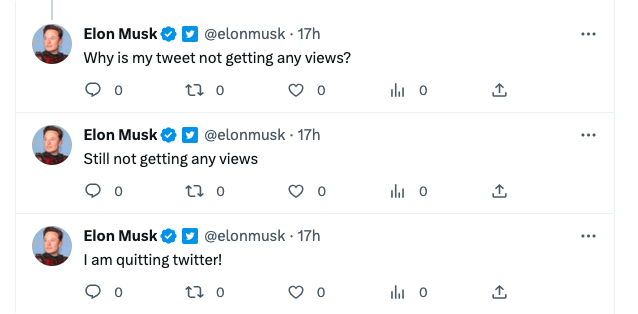
Then people check search volume, read a few competitor posts, and create another version of what already exists.
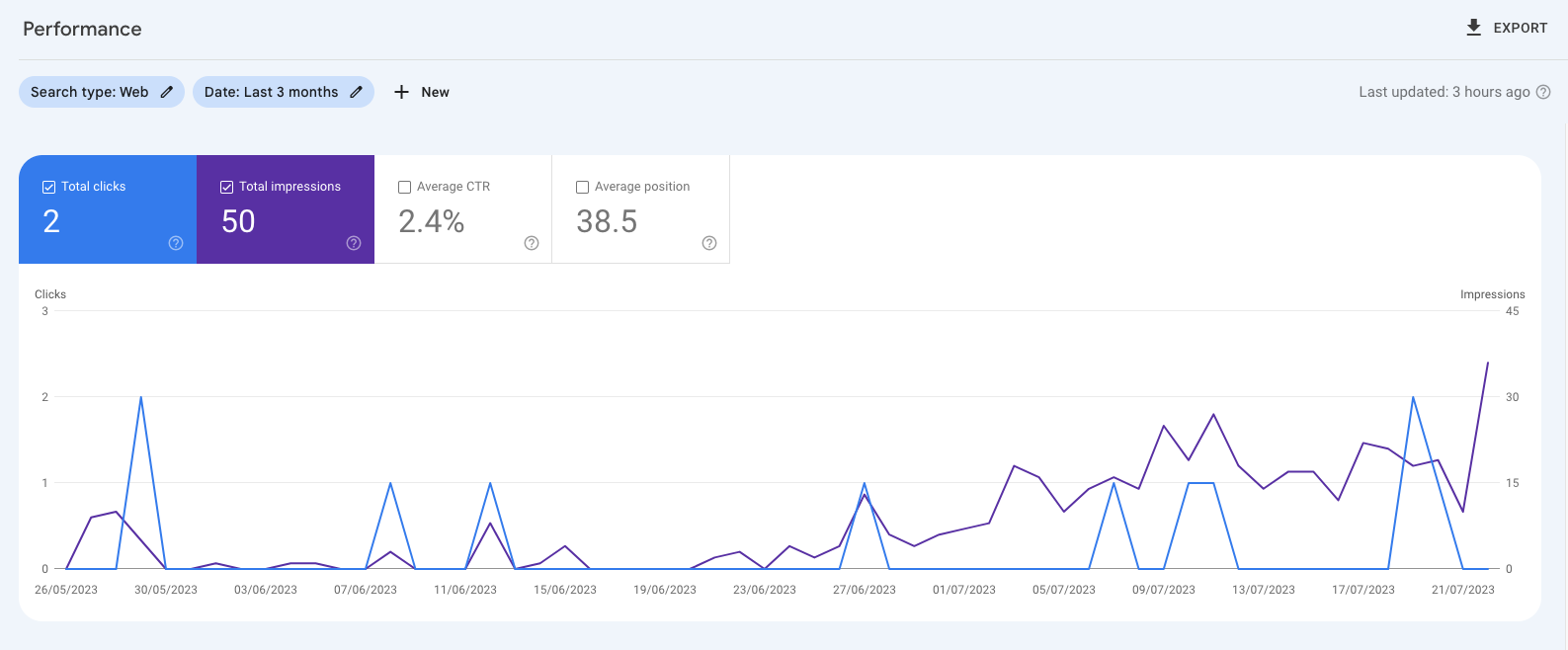
That can work if the article is genuinely better. But most of the time, it creates thin sameness. Ahrefs found that 96.55% of pages get no organic search traffic from Google, which is a useful reminder that publishing more content is not the same as publishing content with a reason to exist.
Google also tells creators to focus on helpful, reliable, people-first content, not content made mainly to chase rankings. UGC helps here because it gives you the real audience context that keyword tools often flatten.
For example, “meal planning” is broad.
But if you read enough Reddit posts, YouTube comments, and app reviews, you may find a sharper niche:
- meal planning for night-shift nurses
- high-protein meals for people without a full kitchen
- grocery lists for couples with different diets
- meal prep for adults who forget ingredients
Those are not just keywords. They are situations.
That is the advantage of UGC research: it shows the problem inside the person’s actual life.
27 Unconventional UGC Sources for Niche Ideas
The best UGC sources are not always the biggest platforms. The best sources are places where your audience complains, asks for help, compares options, or explains what they wish existed.
Here are 27 places worth checking.
| Source | What to look for | Why it helps |
|---|---|---|
| 1. Reddit comments | Repeated questions, frustrations, product mentions, niche jargon | Reddit is often where people explain the full context behind a problem. |
| 2. Subreddit top posts | Posts with high upvotes and long comment threads | These show topics with proven emotional pull. |
| 3. YouTube comments | Questions under tutorials, “I tried this but...” replies, timestamp complaints | Great for finding gaps in how-to content. |
| 4. TikTok comments | Quick objections, requests for part two, confused reactions | Useful for spotting fast-moving angles before they become blog topics. |
| 5. Instagram comments | Lifestyle objections, product questions, audience language | Strong for beauty, fitness, food, creator, and local niches. |
| 6. Facebook groups | Detailed personal stories, recommendation requests, “what would you do?” posts | Often better than public pages because the conversation is more specific. |
| 7. LinkedIn comments | B2B pain points, tool complaints, role-specific language | Useful for SaaS, marketing, hiring, operations, and consulting niches. |
| 8. X quote posts | Disagreements, alternate takes, strong opinions | Good for finding contrarian content angles. |
| 9. Quora answers | Beginner questions and long explanations | Helpful when you need to understand how non-experts describe a topic. |
| 10. Niche forums | Old but detailed discussions, technical frustrations | Forums are especially useful in hobbies, health, finance, and software. |
| 11. Discord communities | Real-time complaints, informal questions, insider slang | Best when you already belong to the community and can observe naturally. |
| 12. Slack communities | Professional pain points, workflow problems, vendor complaints | Strong for B2B and service niches. |
| 13. Product reviews | Missing features, buying objections, “almost perfect except...” notes | Good for finding paid demand. |
| 14. App Store reviews | Bugs, feature requests, use cases, pricing objections | Useful for app, productivity, finance, health, and education niches. |
| 15. Chrome extension reviews | Workflow problems and small automation needs | Great for micro-SaaS and productivity ideas. |
| 16. Amazon reviews | Use cases, disappointment, comparison language | Helpful for physical product niches and affiliate content. |
| 17. Etsy reviews | Personalization requests, gift use cases, buyer language | Strong for handmade, printables, wedding, and home niches. |
| 18. G2 and Capterra reviews | B2B pain points, switching triggers, feature gaps | Useful for SaaS comparison and software content. |
| 19. Product Hunt comments | Early adopter reactions and feature requests | Good for startup and AI tool niches. |
| 20. Hacker News comments | Technical objections, founder pain, market skepticism | Useful for developer, AI, security, and startup niches. |
| 21. Blog comments | Follow-up questions after someone reads a competitor article | Shows what the existing content failed to answer. |
| 22. Newsletter replies | Private objections, personal stories, topic requests | High-signal because people took the time to respond directly. |
| 23. Podcast reviews | What listeners value, what they want more of | Useful for creator, education, and expert-led niches. |
| 24. Course reviews | Where learners got stuck and what outcome they wanted | Great for education products and tutorial content. |
| 25. Support communities | Troubleshooting patterns and recurring confusion | Strong for software, devices, tools, and service businesses. |
| 26. Sales call notes | Exact objections, buying triggers, urgency level | One of the best sources if you sell a product or service already. |
| 27. Customer testimonials | Benefits customers repeat in their own words | Useful for positioning and content angles that match real outcomes. |
The point is not to scrape everything. Start with three to five sources where your audience already spends time. A creator in the cooking niche may learn more from TikTok comments, YouTube comments, and Amazon reviews. A B2B consultant may learn more from LinkedIn comments, Slack communities, and sales call notes.
How to Read UGC Like Niche Research

| UGC signal | Promising niche clue | Weak clue |
|---|---|---|
| Repeated pain | Same complaint across threads | One viral rant |
| Failed alternatives | “I tried X and Y; both broke” | Generic “tools suck” |
| Exact language | Phrases you can reuse in headlines | Buzzwords without context |
| Willingness to pay | Budget/time already spent | Curiosity-only questions |
Don’t niche on vibes. If you cannot quote three different people describing the same unpaid problem, keep collecting.
How To Do Market Research (Market Research 101)
When you read UGC, do not just collect “content ideas.”
Look for patterns that tell you whether a niche has depth.
1. Repeated Pain
One complaint is an anecdote. Ten similar complaints across different threads may be a niche.
For example:
- “I want to eat healthier, but I work nights.”
- “Meal prep never works for my schedule.”
- “All these routines assume you sleep at normal hours.”
That is more useful than “healthy eating tips.” It points to a specific audience with a specific constraint.
2. Failed Alternatives
Pay close attention when people say:
- “I tried X, but...”
- “Every guide says to do Y, but...”
- “The advice never works if you...”
- “I bought this tool and still can’t...”
Failed alternatives show you what your content needs to do differently. They also show where existing products, articles, or tutorials are weak.
3. Exact Audience Language
The words people use in comments often make better hooks than polished marketing language.
If your audience says “I keep overthinking what to post,” do not turn that into “optimize your content ideation workflow.” Use the human wording. It is clearer, more searchable, and easier to recognize.
This is also where AI is useful. Paste a batch of comments into an AI tool and ask it to extract repeated phrases, objections, and emotional language. If you later turn those insights into articles, an AI article writer can shape the draft, but the raw audience language should stay visible instead of getting polished into generic advice.
4. Willingness to Pay
Not every interesting topic is a profitable niche.
Look for signs that people are already spending money or time:
- They ask for tool recommendations.
- They compare paid products.
- They mention hiring help.
- They complain about price but still want a solution.
- They describe the problem as urgent, repeated, or costly.
Product reviews, app reviews, G2 reviews, and sales notes are especially useful here because they sit closer to buying behavior than casual social comments.
A Simple AI Workflow for Turning Comments Into Niche Ideas
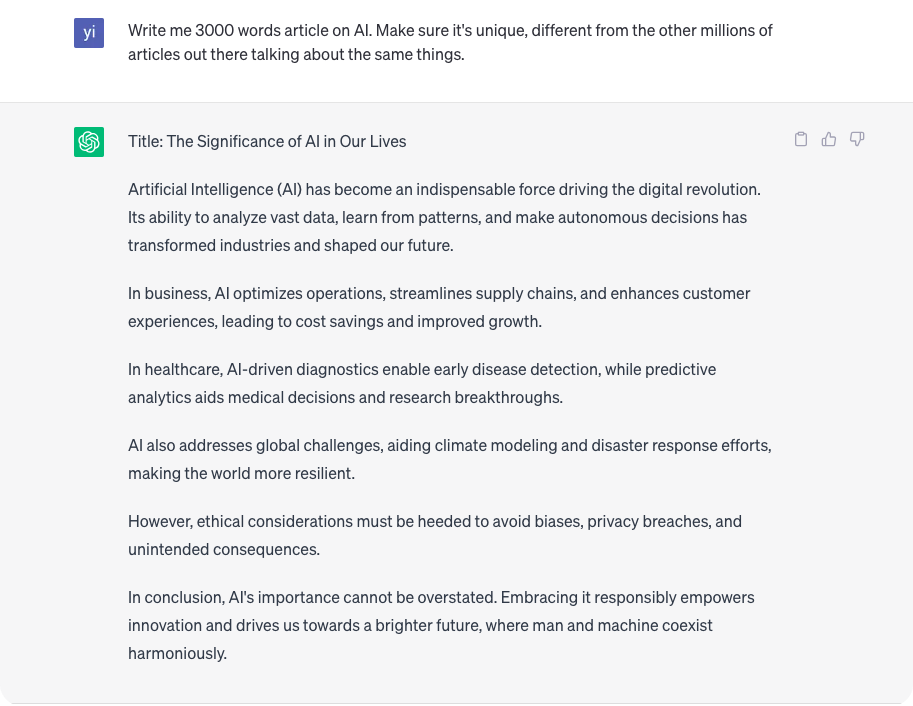
AI is useful for niche research, but only if you feed it original input.
If you ask a blank AI tool for “profitable niche ideas,” you will usually get obvious answers. If you give it 200 real comments from a specific audience, it can help you see patterns faster.
Here is the workflow I recommend.
Step 1: Pick One Seed Audience
Do not start with a huge market. Start with a real group.
For example:
- first-time Etsy sellers
- new project managers at startups
- parents learning meal prep
- freelance designers who hate sales calls
- small YouTubers trying to get their first 1,000 subscribers
If the group is too broad, the research will get noisy. If it is too narrow, you may not find enough data. The sweet spot is a group with active questions and visible pain.
Step 2: Collect 50 to 200 Raw Inputs
Copy useful comments, reviews, questions, and complaints into a document.
Do not only save the cleanest comments. Save messy ones too. The messy comments often reveal the real objection.
You can organize the raw material like this:
| Field | Example |
|---|---|
| Source | Reddit, YouTube, App Store, Facebook group |
| Comment | The exact quote or summarized complaint |
| Topic | Pricing, workflow, confusion, tool gap, emotional pain |
| Intensity | Low, medium, high |
| Possible niche angle | A rough content or product idea |
If you plan to turn one strong source into several formats, use a content repurposing ideas generator after you understand the core pain. Repurposing works best when the original idea is already specific, not when you are trying to stretch a vague topic across channels.
Step 3: Ask AI to Cluster the Pain Points
Use a prompt like this:
I am researching a niche audience.

Audience: [describe the audience]
Source type: [Reddit comments / YouTube comments / product reviews / etc.]

Below are raw comments from the audience.

Analyze them and return:
1. The 10 most repeated pain points
2. The exact phrases people use to describe each pain
3. What they have already tried
4. Signs of urgency or willingness to pay
5. Content angles that would feel specific and useful
6. Product, service, or tool ideas suggested by the comments

Do not invent demand. Only use patterns supported by the comments.

Raw comments:
[paste comments]
The last line matters. AI will happily invent a market if you let it. Force it to stay close to the evidence.
Step 4: Validate the Niche Before You Create Content
Before you write 20 articles around a niche, check whether the topic has search potential and content depth.
Use a keyword tool, Google autocomplete, Reddit search, YouTube search, and competitor pages. If the terms are messy, an AI keyword research tool can turn audience phrases into keyword variations you can actually map to pages.
You are looking for overlap between three things:
- people talk about the problem naturally
- people search for related answers
- people already spend money, time, or attention trying to solve it
If you only have one of those, the niche may still be interesting, but it is riskier.
Step 5: Turn the Niche Into a Content System
Once you find a strong niche, build a small content system instead of writing one random post.
For example, if your niche is “meal prep for night-shift nurses,” you could create:
- a beginner guide
- a grocery list
- a weekly plan
- a mistakes post
- short TikTok scripts
- an Instagram carousel
- a YouTube explainer
- a product comparison
For social formats, use the source material carefully. A strong comment can become a short video angle, but do not expose private community details or make the person identifiable. For example, a TikTok video script generator can turn one pain point into a short hook, while an Instagram post generator can package the same insight into a carousel or caption.
For X(Twitter) posts, keep the original tension clear: the audience problem, the surprising detail, and the practical takeaway. A Twitter Post Generator works better when you feed it that specific angle instead of asking it to create a generic motivational post.
How to Use Junia AI With Unconventional UGC Sources
The simplest way to use Junia here is to treat it as a pattern-finding assistant. You bring the raw audience material. Junia helps you turn it into clearer ideas, outlines, and drafts.
Step 1: Open the Unique Content Idea Generator
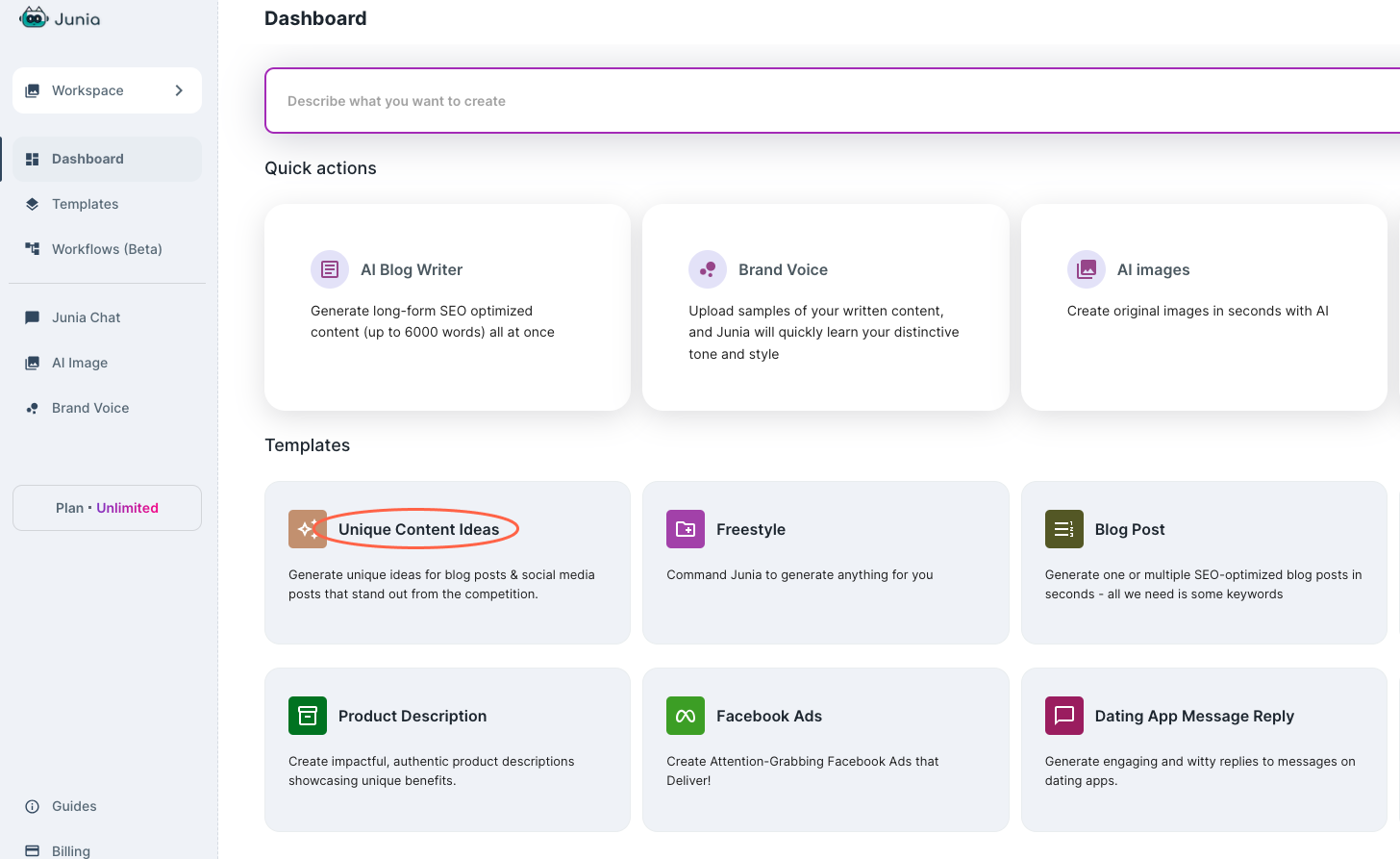
Open Junia AI, sign in, and go to the idea generation tool. If you are starting from scratch, you can also sign up first and then collect your sources before generating ideas.
Do not rush this step. The quality of the ideas depends heavily on the quality of the input.
Step 2: Add Raw UGC Sources
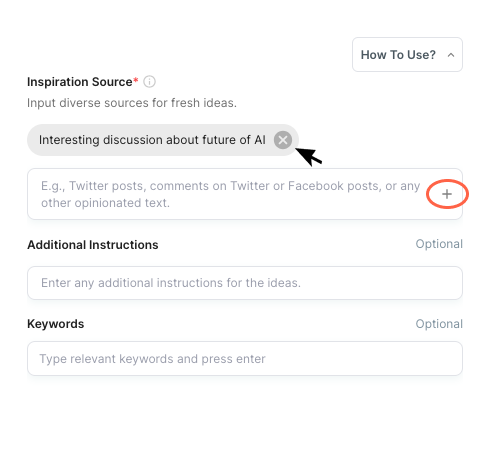
Paste the comments, reviews, questions, or thread excerpts into the inspiration field.
For example, if you are researching sustainable living, you might collect:
- TikTok comments asking how to start without spending too much
- Reddit threads from people who tried zero-waste routines and quit
- Amazon reviews complaining about reusable products that break
- YouTube comments asking for beginner-friendly swaps
This gives the AI more texture than a generic prompt like “give me sustainable living ideas.”
If your source is a long video, you can turn it into a working brief first. A YouTube to blog workflow is useful when the video has comments, examples, or audience questions you want to reuse as research before writing.
Step 3: Generate and Filter Ideas
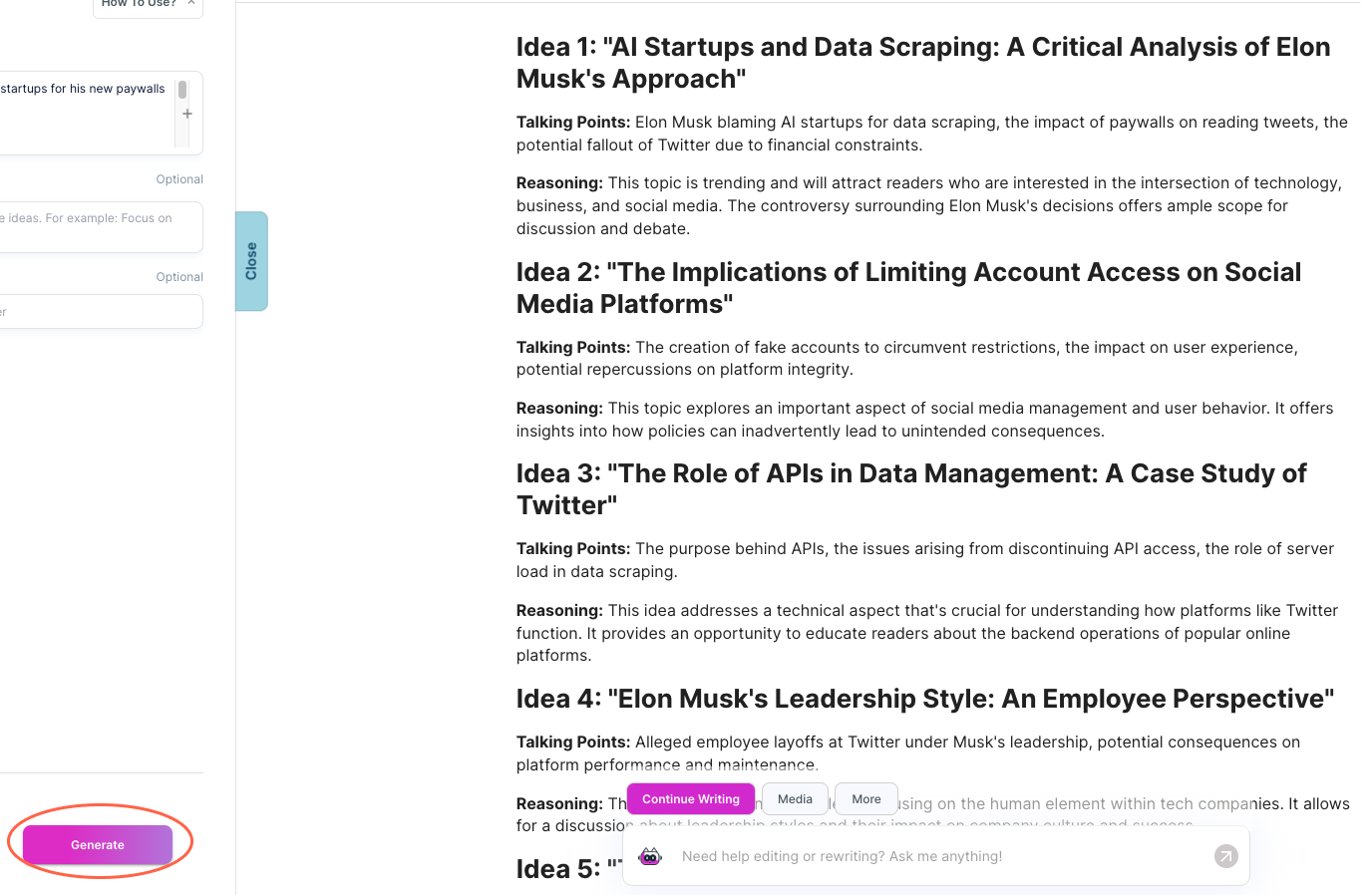
After you generate ideas, do a human filter.
I would score each idea on four questions:
| Question | Why it matters |
|---|---|
| Is the audience specific? | “Busy parents” is broad; “parents of toddlers with food allergies” is clearer. |
| Is the pain repeated? | One strong comment is not enough by itself. |
| Is the problem urgent or costly? | Profit usually follows urgency, frequency, or financial impact. |
| Can I create multiple useful pieces from it? | A niche should support a content cluster, not just one post. |
If an idea passes those checks, move it into your content plan.
Step 4: Create Content Without Losing the Human Signal
Once you have a niche and a few angles, turn them into useful content.
The key is to keep the audience’s real language in the final piece. AI can structure the article, but do not let it smooth away the specific details that made the idea interesting in the first place. If you already have a defined brand voice, use it as a guardrail, not a filter that removes the audience’s wording.
If you create multiple posts from the same research, repurposing content with AI works best when each format has a separate job. A blog post can explain the full method. A short video can show one mistake. A social post can share one quote-style insight. A newsletter can tell the story behind the pattern.
For product-led niches, UGC also works well inside review content. A product review generator can structure the page, while a customer testimonial generator can turn real customer outcomes into cleaner proof points. Just make sure the final copy stays honest and does not invent testimonials or claims.
Example: Turning One Trend Into a Niche
Let’s say you notice a lot of comments about remote work.
A generic topic would be:
The future of remote work
A better UGC-led niche might be:
Remote work routines for new managers leading their first distributed team
That second angle is stronger because it gives you:
- a specific audience
- a clear situation
- obvious pain points
- room for multiple articles
- possible product or service demand
You could build content around:
- how to run async check-ins
- what to write in weekly updates
- how to avoid meeting overload
- how to onboard a remote hire
- tools for documenting decisions
- scripts for difficult remote conversations
That is how UGC research turns a broad trend into a real niche.
How to Avoid Bad UGC Research
UGC is powerful, but it can mislead you if you treat every loud comment as a market signal.
Here are the mistakes I would avoid.
Do Not Confuse Drama With Demand
Some topics get a lot of comments because people like arguing. That does not always mean they need a product, service, or deep content library.
Look for repeated practical problems, not just emotional reactions.
Do Not Build a Niche From One Platform
If a pain point only appears in one thread, be careful. Check at least two or three other sources.
For example, if Reddit shows a problem, look at YouTube comments, product reviews, and keyword searches too.
Do Not Let AI Invent the Audience
AI can make weak ideas sound convincing. Always ask it to show which comments support each conclusion.
You can also use an AI text detector during editing if the final draft starts sounding too generic, but the better fix is usually manual: add real examples, clearer constraints, and more of the audience’s own language. This is how you add a human touch without turning the article into a loose personal essay.
Do Not Overuse UGC Without Context
A comment is not evidence by itself. It is a clue.
Use it to form a hypothesis, then check whether the pattern appears elsewhere. If it does, you have a stronger angle. If it does not, keep it as a small idea instead of building a whole niche around it.
A Practical Prompt Pack
Use these prompts after you collect raw comments or reviews.
Prompt 1: Find the Niche
Analyze the following UGC and identify niche opportunities.

Return a table with:
- niche idea
- target audience
- repeated pain point
- exact audience phrases
- likely willingness to pay
- content angles
- confidence level based only on the provided evidence

Raw UGC:
[paste comments]
Prompt 2: Turn Pain Points Into Content Ideas
Based on these audience pain points, create a content plan.

For each idea, include:
- title
- search intent
- target reader
- unique angle from the UGC
- supporting examples to include
- internal product or tool link if naturally relevant

Pain points:
[paste clustered pain points]
Prompt 3: Check Whether the Niche Is Too Broad
Review this niche idea and make it more specific.

Niche idea: [insert idea]
Audience notes: [insert notes]
UGC evidence: [insert comments or summaries]

Give me:
1. Three broader versions
2. Five more specific versions
3. The version most likely to support a content cluster
4. The version most likely to attract buyers
5. What evidence is still missing
These prompts are intentionally strict. They push the AI to work from evidence, not imagination.
Final Takeaway
Finding a niche is not about hunting for a magic keyword nobody else has found.
It is about noticing the specific problems people keep describing in their own words.
Unconventional UGC sources are useful because they show you the texture behind the market: what people have tried, what they still do not understand, what frustrates them, and what they wish existed.
AI makes the process faster, but it should not replace your judgment. Use it to cluster patterns, extract language, and draft ideas. Then validate the niche with search behavior, community activity, and signs that people are willing to spend time or money solving the problem.
That is how you move from “I need content ideas” to a niche that can support real articles, real products, and a real audience.