Introduction to AI SEO for Restaurants
Restaurants do not need a complicated AI stack to win more local search traffic. They need accurate business information, useful pages, stronger review signals, and content that answers the questions diners actually ask. That is where AI and SEO fit together well: AI helps you move faster, while SEO makes it easier for nearby customers to discover you.
How AI Affects Restaurants
AI already shows up in the restaurant business through forecasting, customer messaging, reservation handling, and content creation. Used well, it reduces repetitive work and helps small teams keep their website, listings, and promotions up to date.
Why SEO Matters for Restaurants
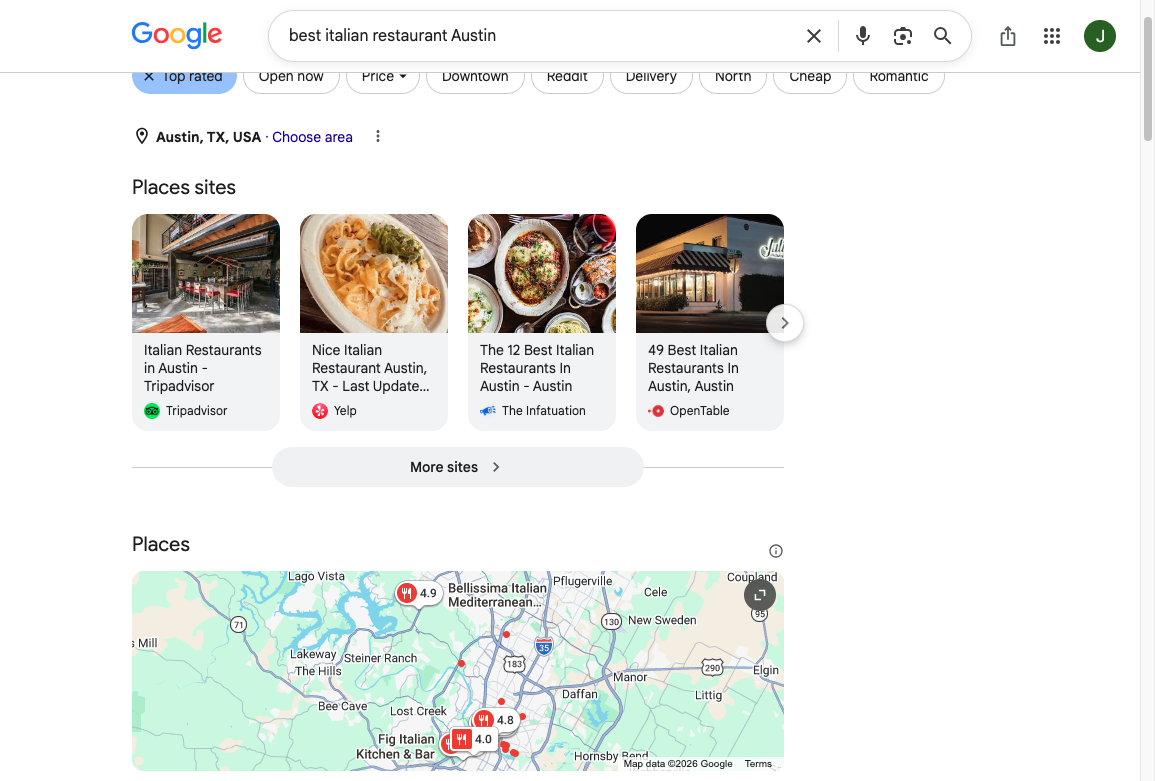
Restaurant SEO matters because most discovery starts on a phone. People search for things like "best ramen near me," "late-night pizza downtown," or "brunch with outdoor seating." If your site and local listings are well optimized, you are more likely to show up when that intent is strongest. That is especially useful if you want to boost SEO without relying on backlinks and focus first on local pages, on-page clarity, and trust signals.
What You'll Learn in This Guide
This guide focuses on the practical side of AI SEO for restaurants. It covers:
- Different ways to use AI in a restaurant, like in daily stuff and bigger things too
- The benefits of AI for small restaurants, especially when you don’t have a huge team
- How AI can improve restaurant operations and just make things run smoother
- Using AI SEO tools for marketing and also for running your business better
- What the future might look like for AI in the restaurant industry, and where it’s all going
If you run a single location or a small group of restaurants, these are the updates most likely to improve visibility, calls, and reservations.
Using AI in Restaurants
AI isn’t just about robots in the kitchen or some sci fi stuff. It’s actually a tool that regular restaurant owners, even people who aren’t really into technology, can use to make their business run smoother and honestly just better overall. And yeah, the word 'AI' might sound kind of complicated or scary at first, but you really don’t need any advanced tech skills to start using it.
Easy AI Uses for Restaurants

One of the easiest ways restaurants use AI right now is with chatbots. Chatbots are like little virtual helpers that answer customer questions online for you. You don’t even need to know how to code or anything super technical to make one. Tools like Chatfuel and ManyChat let you build a chatbot just by dragging and dropping pieces around, which is honestly pretty simple once you try it.
Also, there are new AI-powered search tools that are changing how customers find restaurants online. Services like Perplexity AI and Google's Search Generative Experience (SGE) let people ask questions in a normal way and get clear answers instead of just a long list of links.
Because of this, restaurants should update their online content so it actually gives helpful and clear information that answers common customer questions. Stuff like menu details, opening hours, parking, all that. When you do this, it helps restaurants show up better in search results and makes it easier for customers to quickly find the info they need.
AI is changing how restaurants work and what customers expect in a bunch of ways:
- Smoother Operations: AI helps with things like managing stock, scheduling staff, and handling orders more efficiently. For example, it can predict how much food will be needed based on past sales, which really helps cut down on waste and saves money over time.
- Personalized Customer Service: By using AI to analyze data, restaurants can offer more customized options, like menus that fit certain dietary needs or suggesting dishes based on what a customer ordered before. It feels more personal, even if a machine is doing the work.
- Higher Customer Expectations: Since people are getting used to smart assistants like Siri or Alexa, they now kind of expect quick replies from restaurants too. Things like instant answers from chatbots or super easy online booking systems are becoming normal.
- Better Search Experiences: Tools like Perplexity AI and Google SGE give answers that actually fit the question instead of only showing links, so it’s way easier for customers to find exactly what they’re looking for.
All this means restaurants really need to keep their online info clear, helpful, and ready to answer different customer questions fast.
In short, using AI helps restaurants run smoother and meet today’s customer needs for fast, personal, and useful information.
Understanding AI and Machine Learning
So, it's actually pretty important to know the difference between AI and machine learning. People kind of throw those words around like they mean the same thing, but yeah, they’re not exactly the same.
- AI means machines or software that can sort of act like human intelligence. This can be things like understanding language, noticing patterns and stuff like that.
- Machine learning is a way to create AI, where machines improve over time by learning from past data instead of being directly programmed every single step.
Hidden Ways Restaurants Use AI
A lot of restaurants actually use AI in ways most customers never really notice or think about:
- Sales Tracking: Some restaurants use AI to look closely at their sales data and try to guess future trends. Like, what people might order more next week or during holidays. This helps them manage stock better and cut down on waste, which really matters because restaurants usually work with pretty small profit margins and every little bit counts.
- Kitchen Display Systems (KDS): AI-powered KDS help keep the kitchen more organized. They can predict how long each dish will take based on past orders and what’s going on right now in the kitchen. So it helps make sure food is prepared efficiently and comes out on time, or at least closer to on time.
Using AI isn’t just about cool gadgets or robot chefs or anything like that. It’s more about making smarter choices behind the scenes and giving customers better service without them really seeing all the tech stuff happening.
How AI Helps Independent Restaurants with SEO
Independent restaurants are starting to realize that AI can really boost their business a lot. It’s kind of changing things. AI brings a bunch of different benefits in a lot of areas, such as:
Cost-Saving Benefits
Using AI in the daily operations of independent restaurants can really help save money. Stuff like ChatGPT, Claude, and Google Gemini can improve customer service by automating a lot of the communication, so staff don’t have to answer every single thing. AI tools like Large Language Models (LLMs) also help make smart marketing plans that cut advertising costs, which is pretty huge. Here are some ways AI can reduce expenses:
- Making food inventory management easier
- Automating routine tasks
All of this helps lower the overall running costs. For example, LLMs can predict food demand more accurately, so restaurants waste less food and spend less on buying supplies. Tools like BrightEdge improve online presence too, helping restaurants attract customers without paying a lot for traditional advertising.
Reducing Mistakes and Personalizing Orders
Order errors can really add up for restaurants and honestly, they can annoy customers too. So here’s how AI helps out with that:
- Automating orders so there’s less chance of human mistakes slipping in
- Remembering what customers like and suggesting personalized orders that match their usual taste
All of this basically makes the whole thing smoother and creates a better experience for customers, while also cutting back on order errors. Some examples of AI tech that do this are ChatGPT 5 and Claude 4 Sonnet.
Better Guest Service
AI is kind of changing the way restaurants take care of their guests now. Like, it’s not just people doing everything anymore. Some examples are:
- AI chatbots that can answer customer questions really fast and pretty much anytime, even late at night
- AI reservation systems that make booking tables easy and way less confusing
All of this stuff works together to help create a better dining experience for guests, so it just feels smoother and more convenient.
Impact on Marketing Efforts
AI helps independent restaurants with their marketing by studying what customers do and what they like. With this info, they can put together more focused campaigns that really speak to people, which usually means better customer engagement. And in the end, that often turns into more sales and a better return on their investment.
How AI is Used in Restaurant Operations
These days, a bunch of different AI tools are helping restaurants run more smoothly. They help staff serve customers better, keep things more organized, and even create special dining experiences that feel kind of unique and personal.
AI Phone Answering Technology
AI phone answering technology is kind of like having an extra person at the restaurant just to pick up the phone. It helps handle all the incoming calls, especially when things get really busy and no one has time to stop what they’re doing. It can answer questions about reservations, opening hours, menu items, and it can even take orders for you. This way, staff save a bunch of time and it makes sure pretty much every customer call actually gets answered.
Voice Ordering
Voice ordering is another pretty cool technology that’s changing the restaurant industry. It’s kind of like regular online ordering but better, because it lets customers place orders totally hands free. Instead of clicking around, customers just say their order out loud to a virtual assistant, and then it sends the order in for them. This usually makes ordering faster, and it also helps cut down on mistakes, like when something gets typed in wrong.
Self-Serve Options
Self-serve options in restaurants that use AI give customers more control over their whole dining experience. Like, this can be kiosks where you place your own order, or tables with touch screens so you can pay right there without waiting. Stuff like that usually makes service faster and really helps cut down wait times, which honestly everyone likes.
Facial Recognition Technology
Next up is facial recognition technology. This kind of thing helps restaurants give a more personal experience to their customers. Like, when it recognizes guests who come back again, the restaurant staff can say a more friendly hello or suggest dishes based on what they ordered before. Little stuff like that, this personal touch, can really make customers happier and more likely to stay loyal and keep coming back.
Predictive AI Technology
Predictive AI technology is actually a pretty big help for restaurants. It looks at a bunch of data and kind of guesses things like how many customers might show up, which menu items people like the most, and what times of day are the busiest for orders. With that info, it gets easier to manage stock, figure out staff schedules, and plan the menu. So yeah, it basically helps everything in the restaurant run a lot smoother.
Automated Marketing Plans
Finally, AI-powered automated marketing plans basically help restaurants connect with their customers in a much better way. These tools kind of study what customers do and what they like, then use that to send more personal messages. So yeah, whether it’s emails about new dishes, text coupons, or targeted social media ads, AI-assisted marketing can really boost visibility and help bring in more customers.
AI and SEO Tips for Restaurants
AI and SEO are super important now for helping restaurants do well. If you know how to actually use these tools the right way, it can really, like, give your restaurant an edge over others. Having a good SEO plan can honestly be the difference between your restaurant being full of people or just sitting there kind of empty. For instance, utilizing SEO strategies effectively can significantly enhance your online visibility and attract more customers.
Custom SEO Plans for Restaurants
The online world is huge and honestly kind of overwhelming, so it's really important to have SEO strategies that are made just for restaurants, not just some random generic stuff. For example, when you focus on local SEO, it helps restaurants bring in more nearby customers who are actually close enough to visit. This usually means improving your website and your content with keywords that people around your area might type in when they’re looking for places to eat.
Improving Your Online Presence
These days, every restaurant really needs a solid online presence. It’s not just about having a website anymore. You also need to be active on social media and keep your Google My Business listings updated and looking good. When you stay active on all these platforms, it helps you build a stronger reputation online, and, you know, it makes it way easier for people to find you in search results.
Google My Business and Local SEO

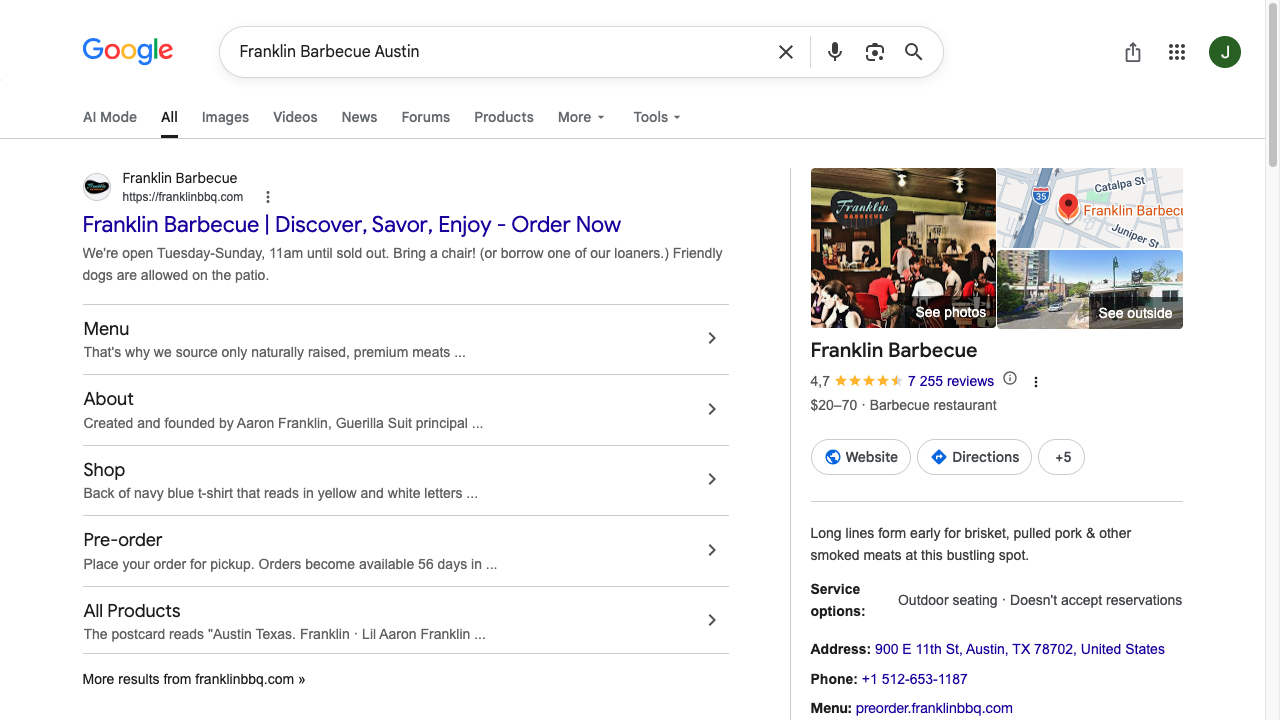
Your Google Business Profile is one of the highest-leverage assets in restaurant SEO. Keep your opening hours, category, phone number, menu URL, reservation link, and photos current. If that information is wrong, you lose high-intent traffic right before the booking or visit decision.
It also helps to build supporting location pages for SEO on your own site. A strong location page can cover parking, popular dishes, nearby landmarks, delivery zones, and FAQs. That gives both Google and customers more context than a listing alone.
Creating Great Content
Content still matters, but restaurants should keep it focused. Publish useful updates such as seasonal menus, event pages, chef specials, neighborhood guides, and short FAQ-style blog posts that answer real search queries. AI can speed up drafting, but the final copy should still sound local, specific, and human.
Staying Active on Social Media
Social media does not directly replace SEO, but it supports discovery and trust. Posts about specials, service updates, events, and behind-the-scenes moments give customers more reasons to click, remember your brand, and search for you later. If you publish AI-assisted content here, it helps to optimize AI-generated content for different platforms so the message fits each channel.
Building Online Citations and Listings
Online citations are mentions of your restaurant's name, address, and phone number across the web. The main goal is consistency. If your NAP data changes between Google, Yelp, TripAdvisor, Apple Maps, delivery apps, and local directories, search engines get mixed signals.
Reviews also matter here. Strong review volume, recent feedback, and owner responses all help reinforce trust. For local restaurants, that trust often matters more than publishing lots of generic content.
Technical SEO Tips
Technical SEO matters most when it removes friction. Make sure your site loads quickly on mobile, menu pages are crawlable, images are compressed, and key pages include schema where appropriate. If you want a stronger next step, structured data is worth reviewing because AI structured data for SEO can improve how search engines understand your menu, location, and reviews.
The goal is not to chase every trend. It is to make your restaurant easy to find, easy to trust, and easy to contact.
AI Tools for Restaurant Marketing and Operations

New AI technologies are giving restaurants a bunch of different ways to make their work easier and also, like, really step up their marketing. There’s a lot you can do with it. One of the most helpful tools right now is ChatGPT, and it’s actually becoming super useful in the restaurant world. For instance, with the help of AI, creating high-quality restaurant reviews has never been easier. This technology not only saves time but also ensures the reviews are more engaging and appealing to potential customers.
How ChatGPT Can Help Your Restaurant
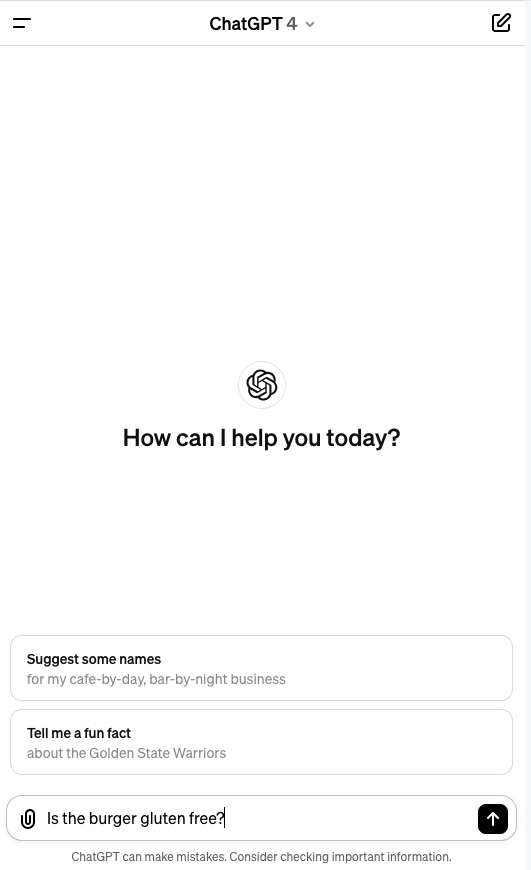
ChatGPT is a language tool made by OpenAI, and it can actually help a lot with marketing and running your restaurant. It writes text that sounds pretty natural, kind of like a real person, and you can use it for a bunch of things:
- Creating Content: ChatGPT can write social media posts, customer emails, and blog articles that talk about what makes your restaurant special. Stuff like your menu, the vibe, events, all that. It saves you time and also keeps your online presence active and not just sitting there.
- Translation: If you have customers who speak different languages, ChatGPT can translate your content into a lot of different languages. So you can reach more people and make things easier for them to understand your restaurant.
Other AI Tools for Restaurants
Besides ChatGPT, there are some other AI tools made just for restaurants too, like really focused on that:
- AI Description Generators: Writing catchy menu descriptions can honestly take a lot of time and brain power. AI description generators can come up with unique and attractive descriptions for each menu item for you, so you don’t have to sit there thinking forever. It saves you time and also makes your menu more appealing to customers.
- Customer Profile Creation: Knowing your customers is super important. AI tools like ChatGPT can look at customer data and build detailed profiles for different kinds of guests. These profiles can help guide your marketing and also help you improve the dining experience so it fits more with what customers actually want.
- Event-Based Menu Ideas: Some AI tools can suggest menu items based on stuff like the weather or local events happening nearby. So for example, if it is a cold day, they might recommend adding more hot drinks or comfort foods to your menu. On a sunny day it might be more like light snacks or iced drinks.
How AI Helps in Visual Marketing
Images are very important in online marketing. And honestly, people usually notice pictures before anything else. AI tools can really help a lot with this kind of stuff, like way more than most people think:
- AI-Created Images: Some AI tools can actually make images for online ordering sites. So instead of waiting on a photographer, you can get pictures made fast. Using these images can make your site look better, more professional, and help attract more customers who are just scrolling and deciding what to click.
- Content Ideas and Script Writing: AI tools like Junia AI and ChatGPT can help come up with ideas for blogs or social media posts when you’re stuck or just tired. They can also write scripts for promo videos or ads, which is super helpful if you don’t really know what to say on camera or how to structure a video.
- Photo Help: Restaurants with an active online presence usually need fresh content all the time. It gets a bit exhausting honestly. AI can help by writing captions for menu photos, creating blog posts about dishes, and other small things like that so you don’t have to do everything yourself.
The Future of AI SEO for Restaurants
When you look ahead a little, AI SEO for restaurants honestly has a lot of exciting stuff going on. The way AI and SEO work together is more than just some quick trend, it’s really starting to change how restaurants run things and how they promote themselves online and, you know, even in real life a bit.
What’s Next: The Future of AI in Restaurants
Using Data Smarter
Over the next few years, AI is going to change restaurants even more than it already has. By putting together AI, machine learning, and big data, restaurants can understand their customers better and make smarter choices. For example:
- Predicting Customer Preferences: AI can go through tons of customer data to figure out what people like and how they act. This helps restaurant owners tweak their menus and marketing so it fits what their customers actually want.
- Forecasting Demand: Using machine learning, AI can guess how busy a restaurant will be by looking at stuff like the weather, local events, or past trends. This makes it easier to manage stock and staff, so they’re not overbooked or short handed.
Voice Search: A New Way to Get Found Online
With smart devices like Siri and Alexa becoming super common, more people are using voice search instead of just typing. So yeah, to keep up, restaurants need to rethink how they show up online. Here’s why:
- People say longer, more natural questions when they use voice search.
- They usually ask very specific questions or look for local spots using voice commands.
To perform well in voice search, restaurants should make content that actually answers common questions about their food, menu, or location. That way they have a better chance of showing up in those voice search results.
Chatbots: Making Customer Service Better
AI chatbots keep getting smarter and they already do more than just send basic automated replies. Pretty soon, they’ll be able to:
- Take orders and handle bookings
- Give detailed info about the menu
- Suggest dishes based on dietary needs
Adding chatbots to websites or messaging apps can really improve the customer experience and also make running the restaurant a bit easier in the background.
Automation: Making Operations Smoother
AI will also help by automating boring, routine tasks, which saves both time and money. For example:
- Marketing Automation: AI tools can look at customer behavior and then build more focused marketing campaigns across different platforms.
- Inventory Management: AI can predict what stock is needed and when to reorder, based on patterns in demand.
- Robot Kitchen Helpers: In bigger kitchens, robots using AI can help prep or put together food.
All this automation lets restaurants spend more of their energy on giving guests a great dining experience instead of getting stuck in the small stuff.
Tackling Challenges
Of course, using AI isn’t perfect. There are real concerns, like data safety issues and the high cost of getting started. But as the technology keeps improving and gets more common, these problems should slowly get easier to deal with.
Conclusion
AI SEO for restaurants works best when it stays grounded in local intent. Start with the basics: a clean Google Business Profile, useful location pages, accurate citations, strong reviews, and content that answers practical dining questions.
Then use AI to speed up the work behind those assets, not to flood your site with generic copy. That approach is more sustainable, easier to manage, and much more likely to turn search visibility into real calls and reservations.