
Byword AI Alternatives (2026): 11 Tools Ranked by Use Case

Yi
SEO Expert & AI Consultant

Introduction
I used Byword-style bulk generation when the job was "turn this keyword list into first drafts." It is still good at that. It is a weaker fit if you need SERP-aware briefs, a real editor, brand voice that survives a 50-page batch, or a cheaper stack.
This is not a list of clones. I ranked the tools I would actually open instead, by the job they do well.
What Byword was for, and where bulk still breaks
Byword's pitch was speed: many articles, one workflow. Google's concern with that pattern is not the logo on the generator. It is auto-generated pages that add little for a reader.
Google Search Central on auto-generated content
Byword-style bulk still needs a brief and a QA pass. I would not swap tools just to publish the same interchangeable outline faster. If the page would not exist without the prompt, it is not ready.
If SEO is the actual bottleneck, start with choosing AI writing tools for SEO before you compare feature lists.
Quick comparison: best Byword AI alternatives by use case
| Tool | Best for | Standout strength |
|---|---|---|
| Junia AI | SEO-focused long-form content | Built for article workflows with optimization features |
| Rytr | Budget-conscious users | Low-cost plans and simple templates |
| QuillBot | Rewriting and polishing drafts | Strong paraphrasing and editing tools |
| Frase.io | Content briefs and SERP research | Good question research and optimization workflows |
| Writesonic | Marketing copy plus blog content | Broad template library |
| Jasper AI | Brand voice and team workflows | Mature workspace and campaign features |
| Anyword | Performance-driven marketing copy | Predictive scoring for conversion-focused teams |
| WordAI | Article rewriting | Bulk spinning and rewrite controls |
| SurferSEO | SEO-first content optimization | Real-time content scoring and SERP analysis |
| NotionAI | Lightweight drafting inside Notion | Useful if your workflow already lives in Notion |
Numbers 2, 6, 8, and 12 were dropped from an earlier draft. I did not invent replacements. The tools below are the ones that remain.
1. Junia AI
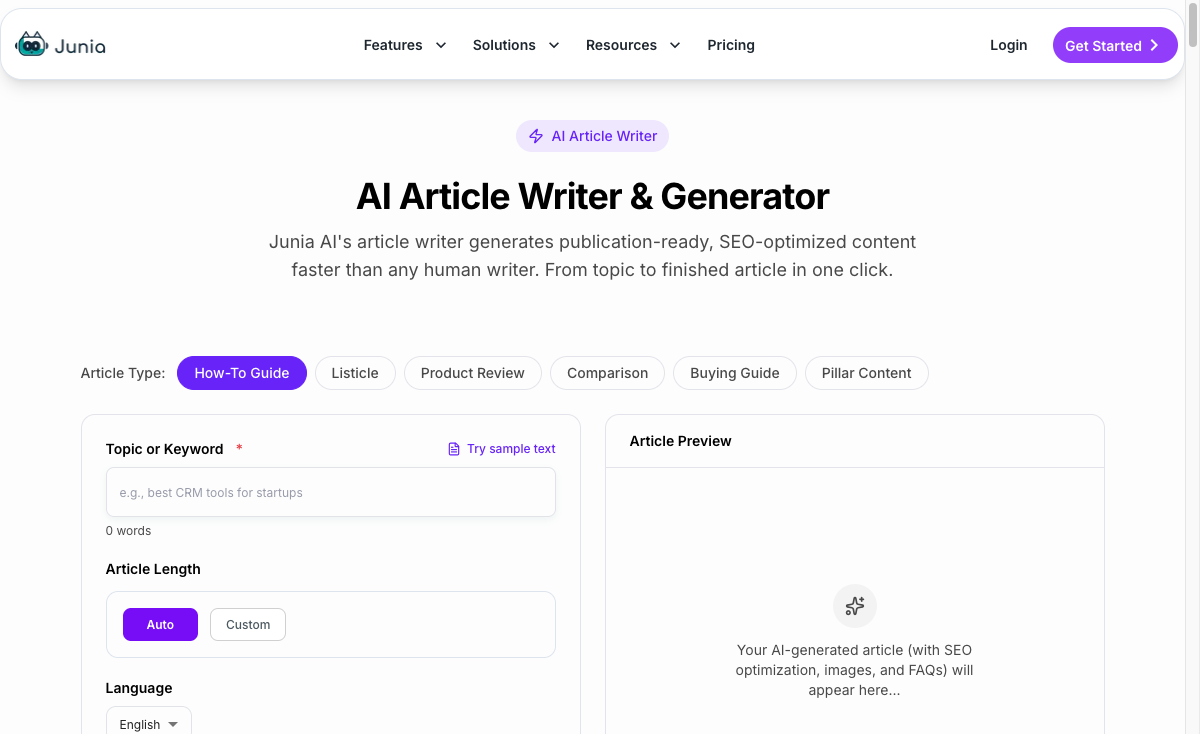
Junia AI is the alternative I would try first if Byword felt like a bulk draft mill and I needed long-form SEO articles with structure, not just word count. It is also one of the stronger GravityWrite alternatives if the comparison is really about article workflows rather than chat windows.
Where it actually helps
- Long-form drafts with outlines, on-page checks, and multilingual expansion in one place.
- SERP-aware writing so you are not staring at a blank editor after the keyword dump.
- An editor that is useful for tightening a batch, not just generating another 2,000 words.
I would not treat "GPT-4" as a plagiarism guarantee. Originality still comes from examples, sources, and a human pass.
Pricing
Plans have sat around $19 to $22 a month depending on billing. That is usually cheaper than paying Byword-style volume for drafts you still have to rebuild. Check current pricing before you commit.
If you need more long-form options beyond this list, I keep a separate roundup of long-form AI writing tools.
3. Rytr
Rytr is the budget pick. I would use it for short copy, templates, and first drafts when I do not want a $50 writing suite.
What it does well
- Tone and template switching for emails, blogs, and ads.
- Multiple languages without a separate localization product.
- A plagiarism check if you are rewriting existing copy.
Pricing is the reason it stays on this list: a free tier, then inexpensive paid plans (historically around $9 a month for Saver, with an unlimited tier above that). Confirm live pricing on Rytr. It will not replace a full SEO article workflow. It will get a short draft out of the way.
4. QuillBot
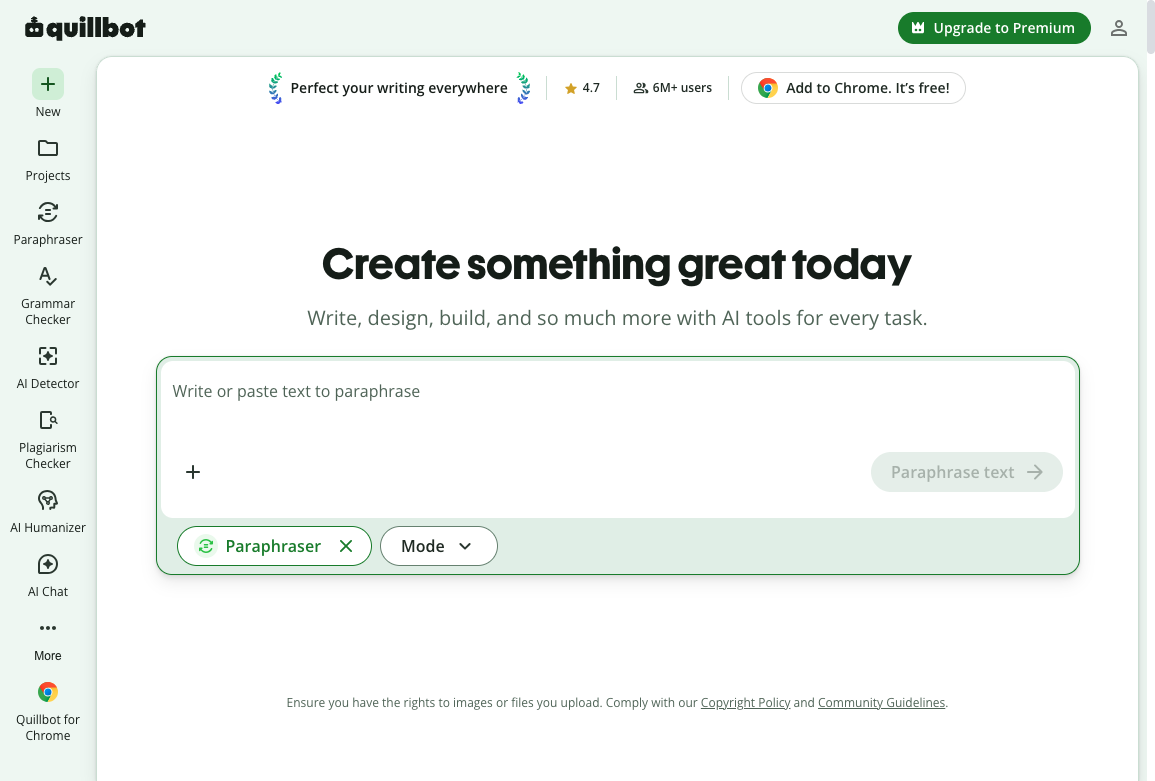
QuillBot is not a Byword clone. I keep it as the rewrite-and-cleanup layer after a bulk draft exists.
What I actually use
- Paraphraser modes when a paragraph is accurate but stiff.
- Grammar and summarizer passes on long drafts.
- Docs and Chrome integrations so I am not copy-pasting through five tabs.
There is a usable free tier. Premium has historically started near $9.95 a month, with cheaper annual billing. I would not generate a 3,000-word SEO article here. I would send the Byword-style draft through it, then still fact-check.
5. Frase.io
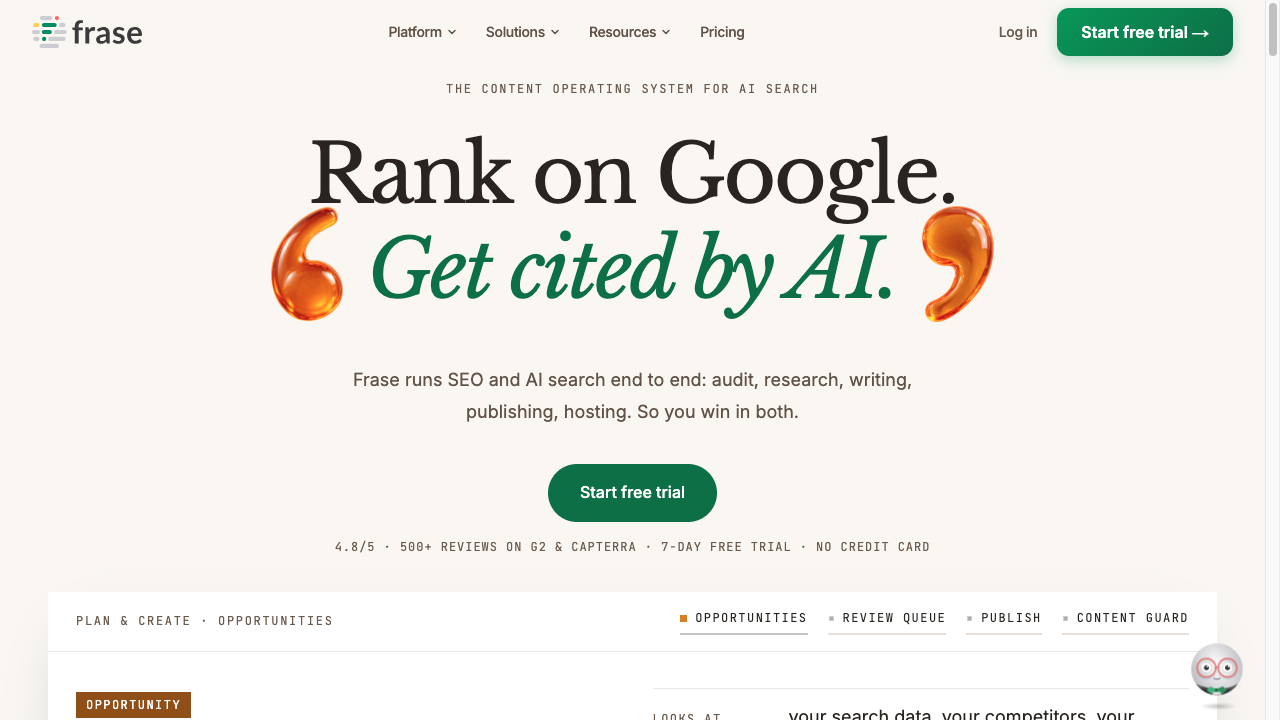
Frase is the brief-and-SERP tool. I would pick it over Byword when the problem is "what should this page cover," not "write 40 posts overnight."
Useful pieces
- AI briefs built from ranking pages and question research.
- Optimization suggestions on drafts you already have.
- An assistant for sections, not a one-click bulk mill.
Pricing is plan-based (Basic, Team, Enterprise). I treat published prices as unstable and check Frase before buying. The value is research density, not unlimited article volume.
7. Writesonic

Writesonic is the mixed-format alternative. I would use it when the same team needs blog drafts, ads, product copy, and landing pages, and Byword felt too article-only.
What to expect
- An article writer for SEO-shaped drafts.
- Ad and product-description templates that are faster than a blank ChatGPT session.
- Pricing that has historically started with a trial, then roughly $15 per user per month on a basic annual plan and about $45 on professional. Enterprise is custom.
Quality still tracks the brief. Fast templates create a bigger review pile if you feed them a keyword and hope.
9. Jasper AI

Jasper is the team-and-brand-voice alternative. I would pick it when several people need the same campaign voice, not when I only need 80 blog URLs.
Why it stays on the list
- Templates and an assistant that are decent for ads, emails, and blog drafts.
- Multilingual support if the team already lives in Jasper.
- SEO helpers that still need a human to decide intent.
Jasper has used Starter-style and higher plans; names change. I would ignore old "Boss Mode" labels and check current pricing. It is usually more expensive than Rytr or QuillBot, which is fine if brand control is the bottleneck.
10. Anyword
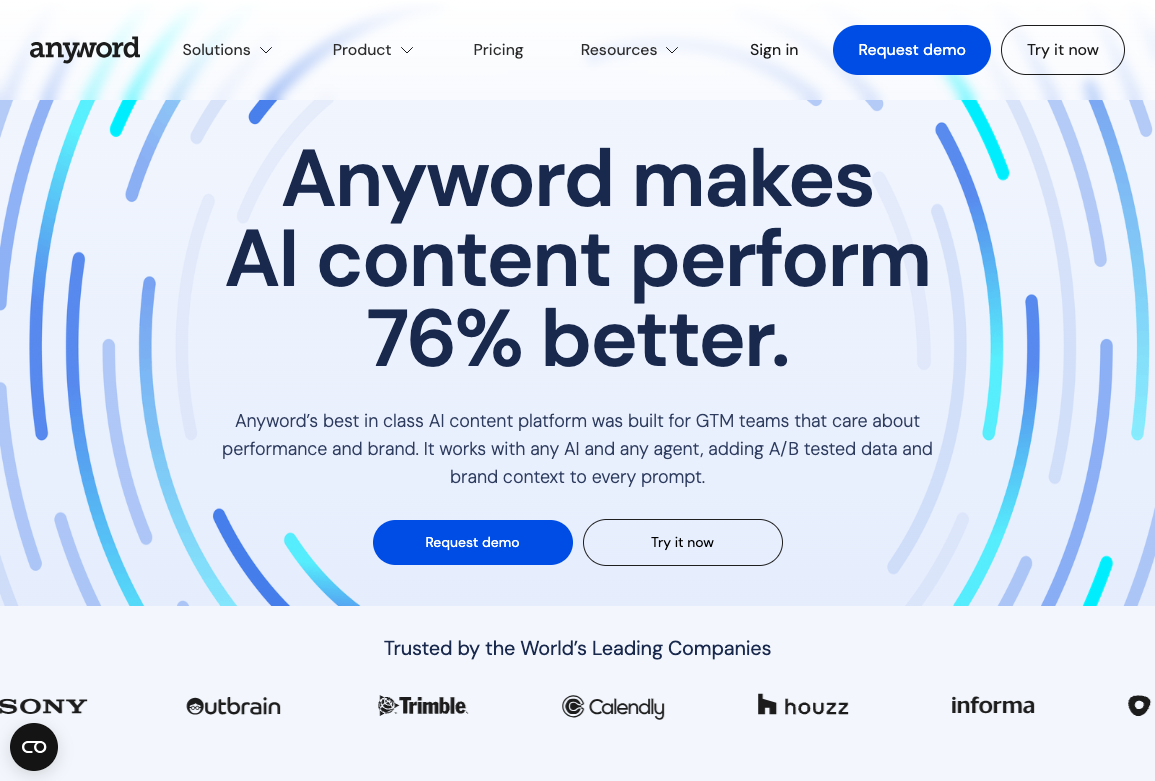
Anyword is the performance-copy alternative. I would not use it as a Byword replacement for 2,000-word SEO posts. I would use it when the job is ads, emails, and landing copy that needs a predicted-performance score before you ship.
Useful pieces
- Predictive scores on variants.
- Audience-specific copy, including ad-network flavored models.
- Optimization on existing copy, not only net-new drafts.
Pricing has historically started around $39 to $49 per user per month depending on annual vs monthly billing, with business and enterprise above that. Confirm live numbers. The score is a ranking of variants, not a ranking in Google.
11. WordAI

WordAI is still live. I checked the product site while editing this. It is a rewriter and spinner, not a from-scratch article planner like Byword.
What it is for
- Sentence-level restructuring of copy you already have.
- Bulk rewrite and API access if you are processing a pile of existing articles.
- Spanish, French, and Italian support on the rewrite side.
Pricing on the site was $57 a month, or $27 a month billed annually, plus enterprise. I would not treat a bulk spin as a content strategy. If the source is thin, WordAI will give you thin in different syntax.
SurferSEO Writing Assistant

Surfer is the SEO scoring layer. I would pair it with a writer, not treat it as a Byword replacement that invents 50 URLs from a spreadsheet.
What it is good at
- Live content-editor feedback against ranking pages.
- SERP analysis and keyword research that feeds the brief.
- A content planner if you already know the cluster.
Pricing has been in the Essential / Pro / Business range (historically about $59, $99, and $199 a month). Check current plans. A green score is not a publish button.
13. NotionAI
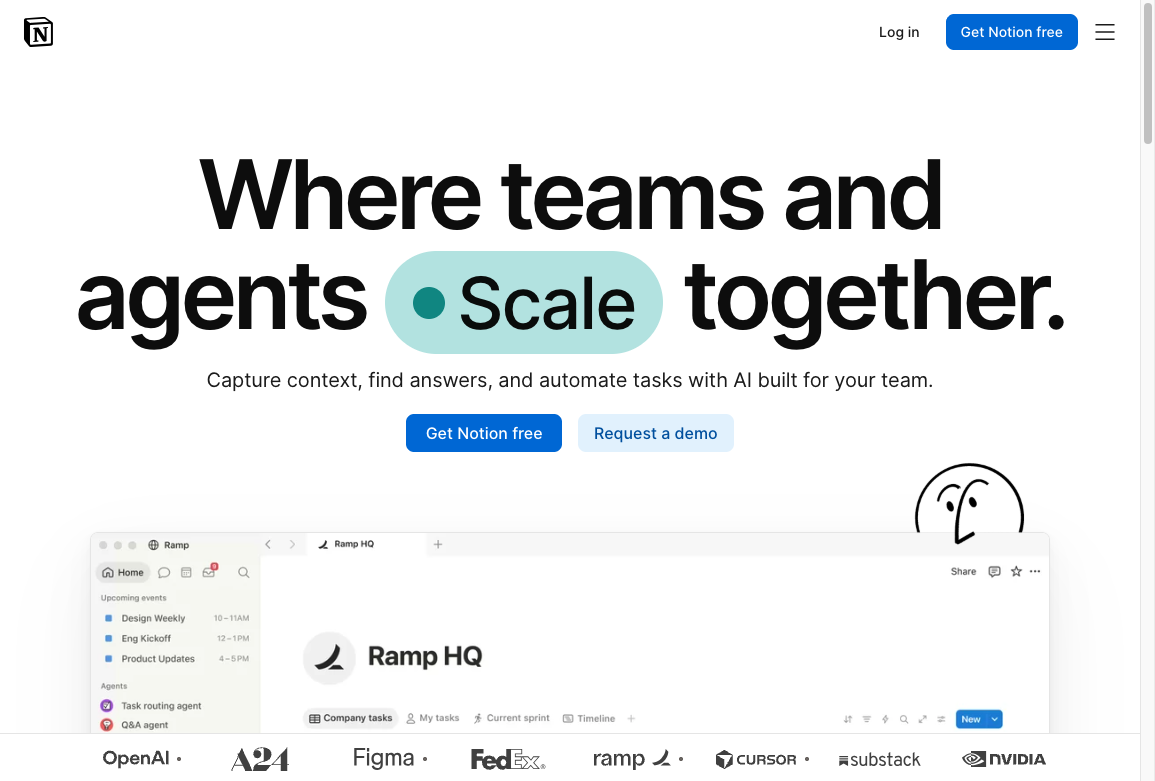
Notion AI is the "we already live in Notion" alternative. I would use it to outline, summarize, and clean notes. I would not use it to bulk-publish a blog.
Practical uses
- Drafting inside the same workspace as the brief and the task list.
- Cleanup and expansion of messy notes.
- Light translation and summaries, not a multilingual SEO program.
Add-on pricing has been around $10 a month historically. The product is convenient. Convenience is not an SEO article factory.
Conclusion
I would not hunt for a perfect Byword clone. I would pick the bottleneck.
If SEO long-form is the job, Junia, Frase, and Surfer are the useful cluster. If the draft exists and you need cleanup, QuillBot or WordAI. If the team needs campaign copy, Jasper, Writesonic, or Anyword. If budget is the constraint, Rytr. If the writing already happens in Notion, stay there.
Shortlist by workflow, then run the same brief through two tools and count the leftover edit. That number matters more than a feature grid. If you want a wider generator list after that, start with best AI text generators.