
Rank in Google Maps & Get More Moving Leads: Local SEO for Moving Companies

Thu
AI SEO Specialist, Full Stack Developer

When people need a mover, they usually start with Google. They compare maps results, check reviews, scan service pages, and request quotes from the companies that look credible first. If your business does not show up clearly in those searches, you lose leads before the conversation even starts.
SEO helps you earn visibility in those moments. A strong moving-company SEO strategy brings together local search, service-page optimization, helpful content, and technical basics so nearby customers can find you when they are ready to move.
The Components of SEO
SEO for a moving company usually comes down to a few core systems working together:
- Keyword targeting: Find the phrases people use when they need local movers, long-distance movers, packing help, or quote comparisons.
- Useful service and location pages: Build pages that clearly explain what you offer, where you work, and how people can contact you.
- Technical SEO: Keep the site fast, mobile-friendly, and easy for search engines to crawl.
- Local SEO: Strengthen your visibility in Maps and localized searches with service-area signals and consistent business information.
- Content and links: Publish genuinely useful content and earn relevant links over time instead of relying on thin city pages alone.
- Measurement: Track rankings, quote requests, calls, and booked jobs so you can improve what actually drives leads.
All of these pieces support the same goal: helping search engines trust your pages and helping customers trust your business. If you want a broader framework, start with these SEO best practices.
Tools to Make Your SEO Easier
You do not have to do all of this manually. Junia AI and other AI SEO tools can help you draft service pages, build location content, and improve readability faster, but the strategy still needs to reflect what your ideal customers actually search for.
Benefits of SEO for Moving Companies
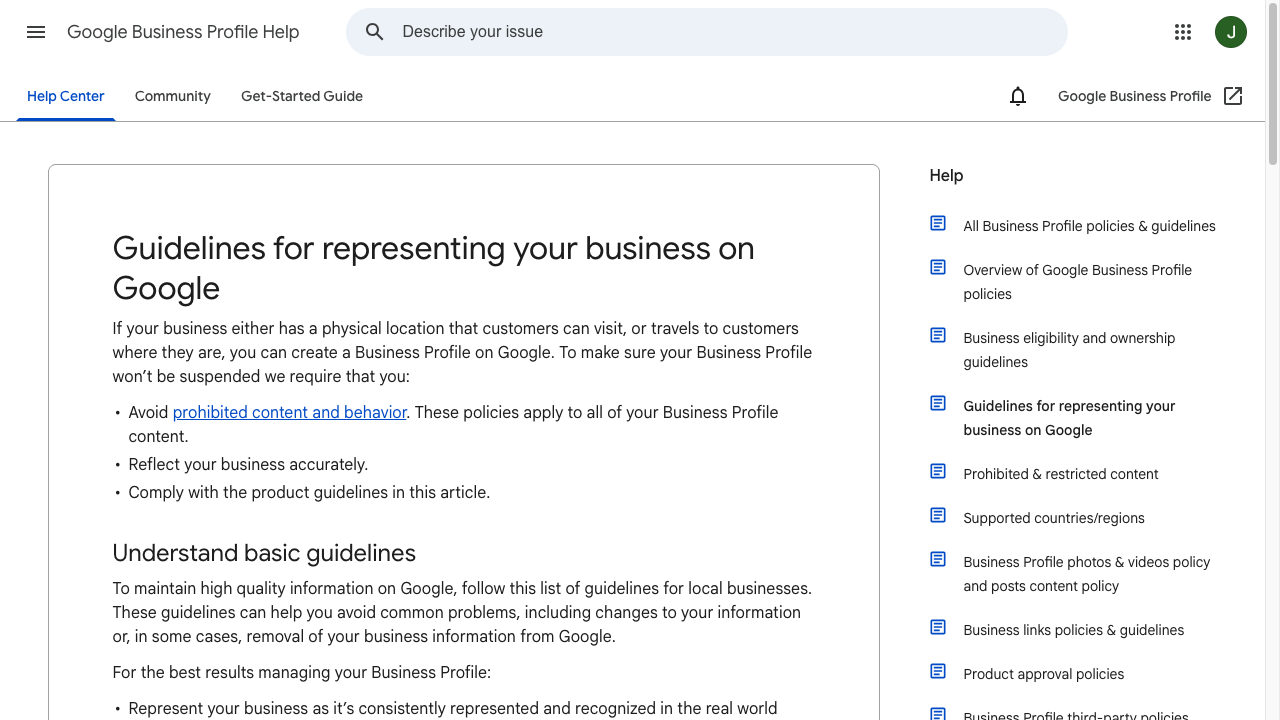
Maps and GBP completeness still decide a large share of moving leads. Treat the profile like a landing page, not a listing afterthought.
SEO helps moving companies attract people who are already close to hiring. Instead of chasing cold traffic, you can rank for terms tied to real intent, such as quote comparisons, local moving services, storage options, and last-minute help.
That visibility compounds over time. Strong rankings bring more qualified visitors, better brand recognition in your service area, and more chances to turn searchers into quote requests. For local businesses, that often matters more than broad national traffic.
Important Keywords for Moving Companies
| Keyword type | Example | Intent |
|---|---|---|
| City + service | movers in Austin | High commercial |
| Long-tail job | piano movers near me | High intent niche |
| Informational | how to pack dishes for moving | Top-of-funnel content |
| Brand | Acme Moving reviews | Reputation |
Local movers checklist
- GBP categories + service areas accurate
- City pages only where you actually serve
- Review velocity + photo freshness
- Service pages for specialty jobs (piano, apartment, long-distance)
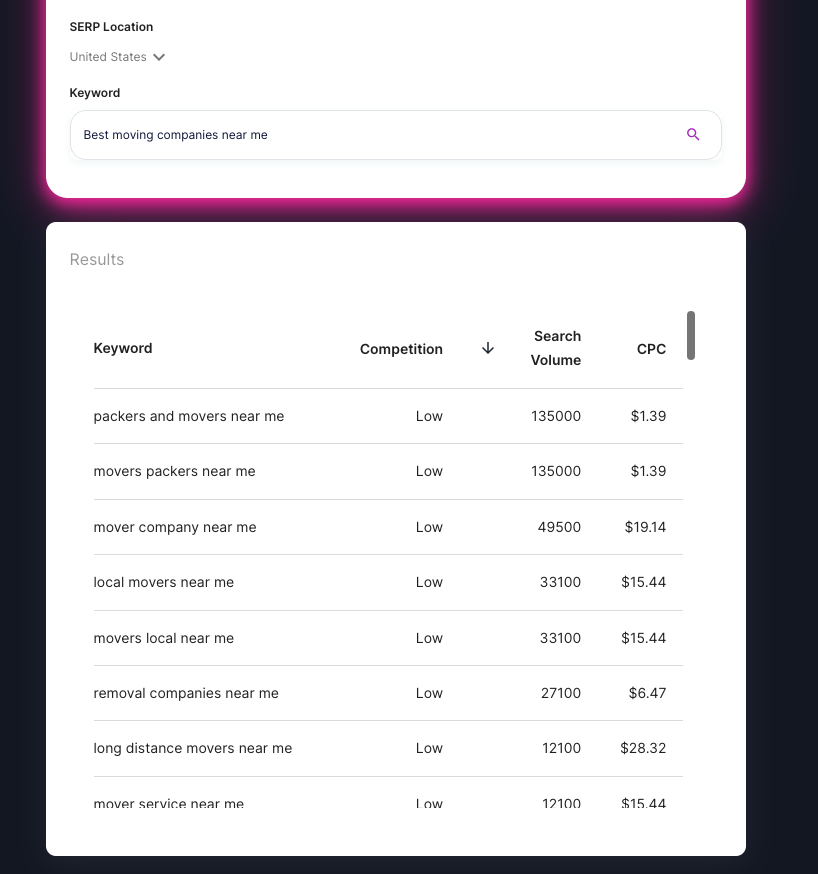
Keywords are the bridge between what people search and the pages you publish. For moving companies, the best keywords usually combine service type, urgency, and geography.
Top Keywords
- "Best moving companies near me": Strong local intent and usually close to booking.
- "How much do movers cost": Good for pricing pages and quote-focused content.
- "Long-distance moving companies": Useful for service pages aimed at bigger, higher-consideration moves.
Specific Audience Keywords
- "Packing and moving services" and "office moving companies" help you reach specific customer groups.
- Informational terms like "tips for moving homes" can support blog content that builds trust before someone asks for a quote.
- "International moving services" and "storage and moving companies" work when those services are real parts of your offer.
- "Moving company reviews" and "same-day moving services" match higher-urgency or comparison-driven searches.
The key is not to target every keyword equally. Prioritize phrases that match your actual service areas and your most profitable jobs. This is also where understanding long-tail vs. short-tail keywords becomes useful.
Remember, good content with these keywords is essential, especially when you create it using a solid AI writing tool like Junia AI.
AI can help with drafting and research, but it should support the strategy rather than replace it. For most movers, the real win is using AI to speed up content creation for service pages, FAQs, and local pages while keeping the final messaging accurate and specific to the markets you serve.
Why Ranking on Google's First Page Matters
.png?token=eyJhbGciOiJIUzI1NiIsInR5cCI6IkpXVCJ9.eyJ1cmwiOiJ1c2VyLWdlbmVyYXRlZC1pbWFnZXMvZjJmOThkNWUtNjNjNC00MTJiLTkyY2QtZjgyNDI5NTE3YWRkL0dyb3VwIDM3MCAoMSkucG5nIiwiaWF0IjoxNjk0OTc5NTc5LCJleHAiOjE4NTI2NTk1Nzl9.KDtcvurwPnJNXG0rPuLQCCYlredO813uBAIb_t516Fc)
When people search for movers, they rarely dig deep into the results. They compare the first few listings, look at reviews, and contact the companies that feel local and credible. That is why first-page visibility matters so much for lead generation.
Why Ranking on the First Page Matters
1. More People See You
When you’re up near the top of Google's first page, way more people actually see your brand. Most people only really pay attention to those first few results and kinda ignore the rest.
2. Builds Trust
Ranking high makes it look like your business is reliable and trustworthy, because honestly, people usually trust Google’s top picks without thinking about it too much.
3. More Visitors to Your Website
So with better visibility and more trust, more people end up clicking and visiting your site. That means more potential customers checking you out and more bookings for your moving services over time.
4. Beat Your Competitors
Showing up on the first page gives you a huge edge over competitors that are stuck on later pages, where way fewer people even bother to look.
5. More Bookings
Your moving company is a lot more likely to attract people who are ready to book when it’s on the first page. That usually turns into more conversions, since these users are already in the middle of deciding what service to choose.
Your SEO Goal: Reaching the First Page
Your main goal here is to get your website on Google's first page. It might feel kind of impossible at first, or like really hard, but with the right tools, smart strategies, and a bit of patience, you can actually get there.
Just remember, SEO is not a quick race. It’s more like a long run that keeps going. It takes time and steady effort to slowly improve your website's ranking. But the reward at the end of all that work? Your moving company's online success, which honestly makes it all worth it.
Local SEO for Moving Companies
For moving companies, local SEO is where rankings turn into real leads. You are not trying to rank everywhere. You are trying to rank in the cities and neighborhoods where your crews actually work and where customers are actively requesting quotes.
Google My Business - An Important Tool for Local Visibility
One of the first big steps in using local SEO is claiming your Google My Business listing. This tool basically lets you control how your business shows up on Google Search and Maps, which is pretty important if you want people to actually find you.
To improve your listing, add accurate contact details, service areas, business hours, and a straightforward service description. Then keep the profile active with fresh photos, reviews, and updates.
Optimizing your listing does more than just put a little card on Google's search results. It actually:
- Puts you in the Local Pack, which is that group of local businesses that show up before the normal search results when people do local searches.
- Shows customer reviews and ratings so people can quickly see what others think.
- Gives you insights on how people interact with your listing (like clicks, calls, bookings and all that).
- Lets you post updates about offers, events, and news straight on your listing so it doesn’t feel outdated.
When you keep your listing updated with fresh content, local customers can easily find you when they search for "moving companies near me" or similar phrases they usually type in a hurry.
Claiming your Google My Business listing is an important start, but it’s only one part of local SEO, not the whole thing.
Other steps include:
- Making sure your Name, Address, and Phone number (NAP) are exactly the same everywhere online.
- Managing customer reviews and actually replying to feedback, even the weird ones.
- Creating content that focuses on your local area’s needs and problems.
- Using local keywords in meta tags and headers so search engines understand the cities and services you target.
Using these strategies improves your chances of showing up in local search results when someone nearby needs a mover. If you serve multiple areas, dedicated location pages for SEO can help you organize that coverage more clearly.
Keyword Research for Moving Companies
- Know your service mix: Start with the jobs you actually want more of, such as local residential moves, office relocations, packing help, or long-distance work.
- Validate demand with tools: Use Junia AI's AI Keyword Research Tool, Google Keyword Planner, or Search Console data to find phrases people already search in your market.
- Study competitor coverage: Review which services, cities, and search intents competing movers already target well.
- Prioritize long-tail searches: Specific queries like "affordable piano movers near me" or "same-day movers in Austin" often convert better than broad terms. This is where long-tail vs. short-tail keywords becomes practical.
- Add local modifiers naturally: Use cities, neighborhoods, and service-area language where it helps the page match real local searches.
Keyword research is not a one-time task. Refresh it as your routes, service areas, and seasonality change.
Content Creation for Moving Companies
Content works best when it answers the questions people ask before they request a quote. For moving companies, that usually means pricing, timelines, packing, insurance, service areas, and what to expect on moving day.
Answering Common Questions and Concerns
Every piece of content should reduce friction for a future customer. These topics tend to work well:
- How Do I Pack Fragile Items Safely?: A blog post or video guide on this topic would be super helpful for anyone worried about their valuable items getting damaged during the move. People really stress about that stuff, so clear steps and tips can make a big difference.
- What Happens on Moving Day?: A simple, clear explanation of what to expect on moving day can seriously help reduce stress and worry for first-time movers. When people know what’s coming, they don’t freak out as much, usually.
- How Much Does It Cost to Hire Movers?: Pricing transparency is one of the fastest ways to build trust and improve quote intent.
Why You Should Regularly Update Your Website Content
Keep core pages updated as your pricing model, service areas, and seasonal demand change. Fresh updates also make it easier to keep location pages accurate and conversion-focused.
Link Building for Moving Companies
When trusted sites link to your pages, search engines treat that as a signal that your business is credible. Link building still helps, but it works best when it supports strong local pages and useful content.
One common tactic is writing guest articles for relevant local or industry sites. That can build awareness and earn links back to your service pages or guides.
"Link building is about quality, not quantity. One good backlink can be more effective than many low-quality ones."
Another good approach is partnering with related businesses. Real estate agents, storage providers, home organizers, and property managers can all become realistic local link sources.
Link building should not be the whole strategy. Strong pages, clear service coverage, and helpful content still do most of the work. If you need a structured way to assess opportunities, these backlink analysis tools can help.
Junia AI can help you produce better SEO content faster, which makes outreach and link acquisition easier because the destination pages are stronger.
In summary:
- Guest articles and partnerships are pretty effective strategies for link building.
- High-quality content tends to attract natural links over time.
- Leverage AI tools such as Junia AI to generate outstanding content while reducing the stress and pressure that comes with backlink acquisition.
Some Helpful Technical SEO Tips for Moving Companies
Website Speed
When your website is slow, people get annoyed pretty fast and, yeah, they’ll probably just go to a competitor instead. This hits even harder for people on mobile devices, since they’re usually browsing while walking around or sitting on a bus or whatever, and they don’t want to wait.
To help your website load faster, you can try a few things like:
- Optimize images: Make your image file sizes smaller but still keep them looking good. So they don’t look all blurry or pixelated.
- Use browser caching: Let people’s browsers save parts of your site, so it doesn’t have to reload everything from scratch every single time they visit.
- Use a Content Delivery Network (CDN): Store your website files on servers all over the world so users get them from the closest place and pages load quicker.
You can test your website's speed and get some useful tips from tools like Google PageSpeed Insights or GTmetrix, which is honestly pretty handy.
Mobile-Friendliness
These days, having a website that works well on smartphones is basically a must. If your site looks bad or doesn’t really work right on mobile devices, you’ll probably lose a lot of potential customers. Like, people just click away. A good mobile experience usually means things like:
- Easy navigation: Make it super simple for visitors to find what they need, with clear menus and links that actually make sense.
- Readable text: Use font sizes that are easy to read on small screens so people don’t have to pinch and zoom every two seconds.
- Responsive design: Build a site that adjusts smoothly to different screen sizes and orientations, so it looks normal on phones, tablets, whatever.
You can use Google’s Mobile-Friendly Test tool to check your pages, but also review quote forms and contact buttons on a real phone. That is where moving-company sites often lose leads.
Structured Data Implementation
Structured data, also called schema markup, is a really helpful SEO tool that helps search engines understand your content better. When you add structured data to your site, it can improve your search results with rich snippets, which are like extra details such as ratings or business hours that show up and make your listing stand out more to people searching.
There are a few different types of structured data that are useful for moving companies, like Local Business schema or Review schema. Setting these up might take some technical skills and can feel a bit confusing at first, but honestly the SEO benefits usually make it worth doing in the long run.
SEO Tools and Services for Moving Companies
Starting SEO is easier when you focus on a small tool stack instead of trying everything at once.
Junia AI: Your SEO Content Partner
Junia AI can help moving companies create service pages, improve existing copy, and publish content that targets the right local keywords without sounding robotic. It is especially useful when you want to turn keyword ideas into readable drafts faster or improve conversion-focused content.
Other Tools to Improve Your SEO
- Google Business Profile: Manage how your company appears in Search and Maps.
- Google Search Console: Track indexing, search queries, and technical issues.
- Google Keyword Planner: Validate demand for local and service-based keywords.
- Backlink analysis tools: Useful when you want to audit competitors or find realistic link opportunities.
Measuring SEO Success for Moving Companies
Track the metrics that connect rankings to booked jobs, not just vanity traffic. Here are the main numbers moving companies should watch:
1. Organic Traffic
Organic traffic is basically how many people come to your website from unpaid search results, like when they click your site on Google without you running ads. When organic traffic goes up, it usually means your SEO work is actually doing something, which is pretty good. You can keep an eye on this using tools like Google Analytics and just, you know, check how it changes over time.
2. Keyword Rankings
Monitor rankings for your highest-value service and city combinations, especially the pages tied to quote requests.
3. Conversion Rates
Traffic matters less if visitors do not request estimates, call, or submit forms. Conversion rate shows whether the page experience is turning search demand into leads.
4. Inquiries and Bookings
For moving companies, inquiries and bookings are the clearest lead-quality signals. Track form submissions, calls, and scheduled estimates alongside organic traffic.
5. Revenue
Revenue closes the loop. When you connect SEO performance with closed jobs, you can see which pages and locations drive real business.
Try not to look at these numbers in isolation. When you review them together, you can see whether rankings are improving but leads are weak, or whether traffic is steady but quote pages need better conversion copy.
Conclusion
For moving companies, SEO works best when it stays close to revenue. Focus on the pages, locations, and keywords that bring qualified quote requests, then keep refining the experience from ranking to booking.
That means updating location coverage, improving service pages, tracking conversions, and strengthening your local authority over time. SEO is not a one-off campaign here. It is an ongoing lead-generation system.