
Buy Backlinks: 10 Best Websites to Buy Quality Backlinks in 2026

Thu
AI SEO Specialist, Full Stack Developer

If you are searching for websites to buy backlinks, you probably already know the reality: quality links still move SEO campaigns, but finding good placements manually is slow.
That is why backlink marketplaces and link building agencies exist. They help you find publishers, compare prices, order guest posts, place niche edits, run digital PR, and build authority faster than cold outreach alone.
The risk is not theoretical. Google says paid links should be qualified with attributes like rel="sponsored" or rel="nofollow" when they are advertisements or paid placements. The SEO reality is that many teams still pay for sponsored content, guest posts, digital PR, and publisher partnerships. In my experience, the campaigns that hold up best look less like "buying links" and more like disciplined media buying with SEO consequences.
The biggest problem is buying the wrong backlinks: fake traffic, reused publisher lists, irrelevant sites, bloated DA/DR metrics, weak content, PBNs, and placements that exist only to manipulate rankings.
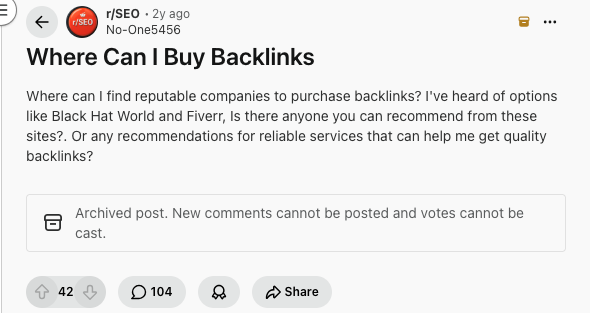
That uncertainty shows up in real SEO communities too. In one public r/SEO discussion about where to buy backlinks, the question was not whether links matter; it was whether any provider could be trusted enough to avoid wasting money or taking on avoidable risk.
So this guide is simple: I’ll show you the best websites to buy backlinks in 2026, what each one is good for, how much backlinks usually cost, and how to vet a seller before you spend money.
My main rule: buy links like an operator, not a gambler. Start with real publishers, topical relevance, organic traffic, clean outbound links, natural anchors, and placements that make sense even if a human manually reviews them.
What Google Says About Paid Links
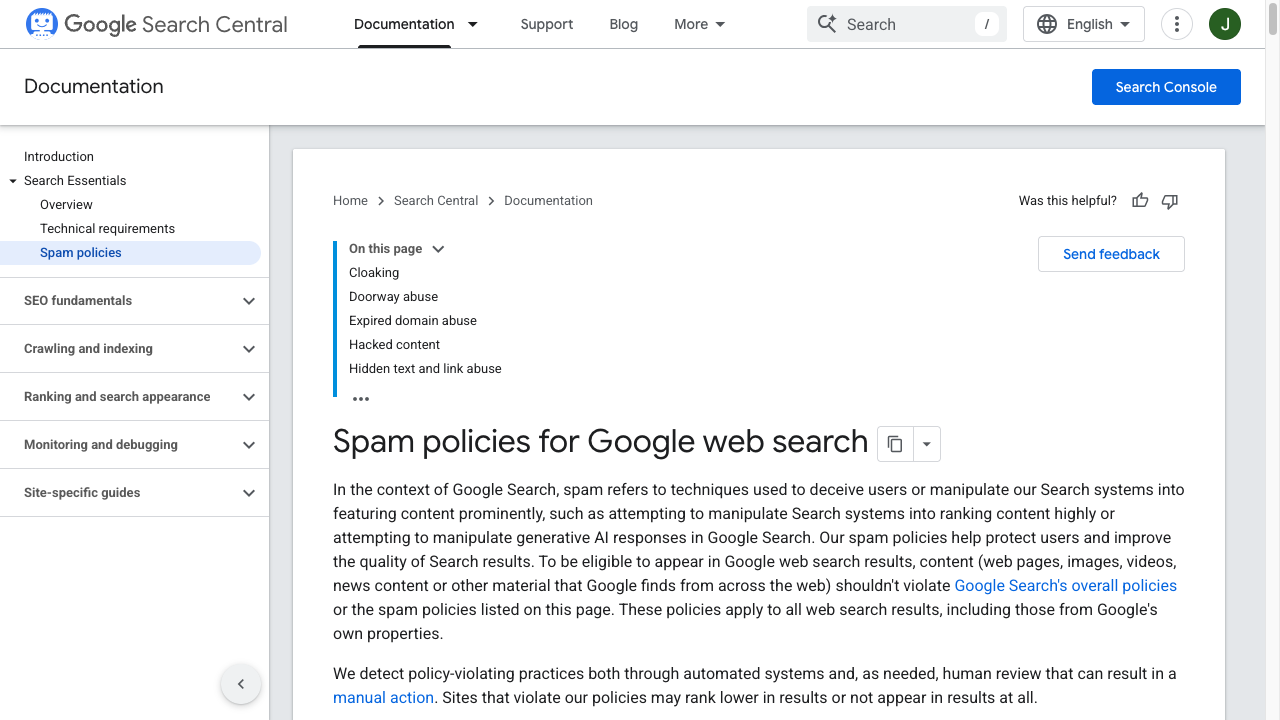
Google’s spam policies still treat paid links that pass PageRank without
rel="sponsored"/nofollowas a link scheme. Buy editorial placements carefully — or expect cleanup risk.
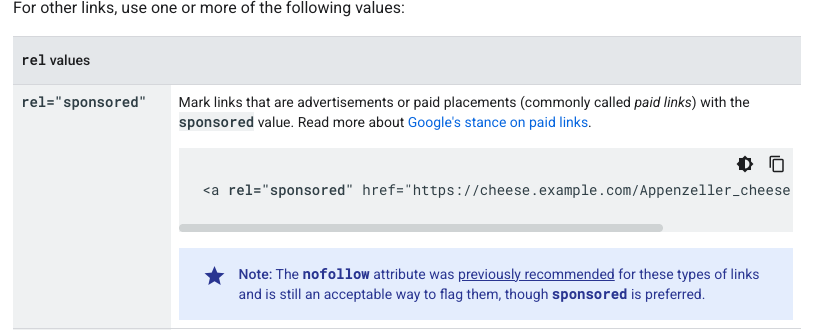
Google's guidance is clear: links that are ads, sponsorships, or paid placements should be qualified with the right link attribute. For paid placements, Google recommends rel="sponsored" and says nofollow is still acceptable.
That matters because there is a difference between:
- paying for legitimate advertising, sponsorships, PR, or brand coverage and qualifying the link properly
- buying followed links mainly to pass ranking signals
- buying bulk links from networks, hacked sites, or low-quality publishers
The last two are where most SEO risk lives.
In competitive SEO, brands still pay for guest posts, sponsored content, niche edits, digital PR, listicle inclusions, product reviews, and publisher relationships every day. Some call it link buying. Some call it PR. Some call it content partnerships. The mechanics are different, but the goal is often the same: get mentioned on stronger websites and build authority.
That is why the real question is not "Can you buy backlinks?" People clearly do.
The better question is: can you earn or buy placements in a way that is relevant, transparent, useful to readers, and not dependent on obvious spam footprints?
That is where most campaigns succeed or fail. I would not brief a paid-link campaign without reading Google's guidance on qualifying outbound links first. You need to understand the policy side, not just the marketplace side.
Why Buying Backlinks Still Works
Backlinks still matter because they help search engines and users understand which sites are trusted, cited, and connected in a market. A relevant link from a strong publisher can help a page get discovered faster, build topical authority, support rankings, and send referral traffic.
Buying backlinks works when the placement has real context around it:
- The linking website has actual organic traffic.
- The site covers your niche or a close adjacent topic.
- The article is useful, readable, and not written only to host links.
- The anchor text looks natural inside the sentence.
- The link points to a page that deserves to rank.
- The campaign uses a mix of link types, targets, and publishers.
That is also why cheap bulk links usually disappoint. They create link count, but not much authority. In some cases, they also create a footprint that makes the whole campaign look manufactured.
The benefit of buying links is speed. Instead of waiting months for cold outreach, you can access publishers, compare prices, approve placements, and build authority in a more predictable way. For agencies, SaaS companies, affiliate sites, local businesses, and ecommerce brands, that speed can matter when competitors are already investing in links.
The tradeoff is quality control. Paid link building is not hard because the order form is complicated. It is hard because you need to know which links are worth buying and which ones to reject. That judgment matters more than the marketplace logo.
Quick Shortlist: Best Places to Buy Backlinks
| Provider | Best for | Main strength | Check before buying |
|---|---|---|---|
| PressWhizz | Marketplace buyers who want strong filtering | Large inventory, fast discovery, useful publisher filters | Traffic, relevance, and outbound links |
| Bazoom | Hands-off marketplace buying | Broad publisher database and managed ordering | Publisher quality and topical fit |
| Collaborator.pro | SaaS, tech, and regional campaigns | Transparent marketplace data and publisher selection | Interface and inventory depth vary by market |
| WhitePress | International campaigns | Strong multilingual and European publisher coverage | Quality varies heavily across regions |
| LinkHouse | Niche edits and faster insertions | Existing-page placements and campaign speed | Existing articles must be genuinely relevant |
| Getfluence | Premium sponsored content | Higher-end media placements and brand content | Audience fit and SEO value |
| Fat Joe | Agencies that need scalable delivery | Simple productized guest posts and niche edits | Less control over exact publisher fit |
| uSERP | SaaS and enterprise digital PR | Strategy-led link acquisition and authority placements | High cost, best for mature budgets |
| Editorial.Link | Pre-approved editorial link campaigns | Quality control and B2B/SaaS relevance | Premium pricing, limited fit for small budgets |
| Authority Builders | Buyers who want curated site selection | Established marketplace model and publisher vetting | Traffic quality and topic match |
My recommendation: start with platforms that show publisher URLs, organic traffic, topical categories, pricing, link type, and placement examples before you pay. I get nervous when a provider wants trust before transparency. The more you can inspect before ordering, the better your odds of buying placements that actually help.
What "Buying Backlinks" Actually Means in 2026
There are several different things people call "buying backlinks," and they do not carry the same risk.
| Link type | What it means | Best use | What to check |
|---|---|---|---|
| Sponsored article | You pay for an article or brand mention on a publisher site | Brand visibility, referral traffic, PR support | Audience fit, traffic, content quality |
| Guest post placement | You pay for content creation and publication | Contextual links from relevant blogs or media sites | Topic fit, editorial standards, anchor text |
| Niche edit | Your link is inserted into an existing page | Faster links from indexed content | Page relevance, freshness, outbound links |
| Digital PR | You pay an agency to earn coverage through campaigns | Authority links from stories, data, launches, or expertise | Pitch quality, publisher quality, reporting |
| PBN or bulk package | Links from controlled networks or low-quality sites | Disposable projects only | Footprints, fake traffic, link churn |
| Press release syndication | Distributed announcement with links | Entity building, announcements, crawl discovery | Distribution quality and realistic expectations |
The best paid placements are the ones with real context around them: relevant audience, good content, actual search visibility, reasonable outbound links, and a page where your link belongs naturally. If I have to work too hard to explain why the link belongs there, I usually take that as the answer.
How to Buy Backlinks Like a Pro
Buying backlinks works best when you treat it as media buying plus SEO judgment.
The amateurs buy a package because it says "DR 70." Better buyers inspect the site, the page, the link neighborhood, the anchor, the surrounding content, and the seller's replacement policy before ordering.
Here is the difference:
| Weak buying | Smart buying |
|---|---|
| Chasing the cheapest high-DR link | Paying for relevance, traffic, and clean context |
| Buying 50 links from one seller | Mixing marketplaces, outreach, PR, and partnerships |
| Using exact-match anchors everywhere | Using branded, URL, partial-match, and natural anchors |
| Accepting hidden site lists | Reviewing publishers before approval |
| Sending every link to a money page | Supporting guides, tools, homepage, and category pages too |
| Measuring only link count | Tracking rankings, referral traffic, indexing, and link status |
You do not need to moralize the topic. You need to understand the risk and avoid obvious footprints. A backlink profile built from relevant publishers, varied anchors, good content, and different acquisition channels looks very different from a profile built from bulk packages and recycled link farms.
How to Vet a Backlink Provider
Vetting checklist before you buy
- Real traffic (not DR-only vanity)
- Topical relevance to your site
- Outbound link patterns look editorial, not a link farm
- Clear disclosure / sponsored treatment when required
- You can remove or update the link later
Do not pick a provider because it advertises "high DA links." DA and DR are useful third-party metrics, but they are not Google metrics, and they can be inflated.
Use this checklist before buying:
| Check | What good looks like | Red flag |
|---|---|---|
| Publisher transparency | You can review URLs before approval | "We reveal sites after payment" |
| Organic traffic | Stable traffic from relevant keywords | High DR with almost no traffic |
| Topical relevance | Site and page match your niche or a close adjacent topic | Random lifestyle blogs linking to every industry |
| Content quality | Real articles, named authors, editorial standards | Thin posts written only to host outbound links |
| Outbound link profile | Natural linking patterns | Every article links to gambling, crypto, CBD, casinos, and unrelated SaaS |
| Anchor policy | Branded, URL, partial-match, and natural anchors | Heavy exact-match commercial anchors |
| Link attributes | Clear explanation of follow, nofollow, sponsored, or UGC status | Vague promises or changing terms after payment |
| Replacement policy | Reasonable replacement window for removed links | No warranty or vague "lifetime" promise |
| Reporting | Live URL, placement date, anchor, target URL, and publisher metrics | Screenshot-only reports |
Before approving any domain, run it through backlink analysis tools, check its search traffic trend, look at recent posts, and inspect outbound links manually. I also like comparing Domain Rating and Domain Authority instead of trusting one number, because mismatches between the two often expose sites that deserve a closer look.
Best Websites to Buy Backlinks in 2026
The providers below are places to source paid placements, guest posts, niche edits, sponsored content, or digital PR. Some give you marketplace control. Some give you a managed agency workflow. I do not think there is one "best" provider for every site; the right choice depends on budget, niche, speed, and how much control you want over publisher selection.
1. PressWhizz
PressWhizz is a strong starting point if you want a marketplace-style buying experience with detailed filters. It is built for finding publishers by niche, language, country, traffic, authority metrics, and other placement criteria.
The main advantage is control. You can compare opportunities instead of buying a blind package. That matters because most bad link buying starts with not knowing where your links are being placed.
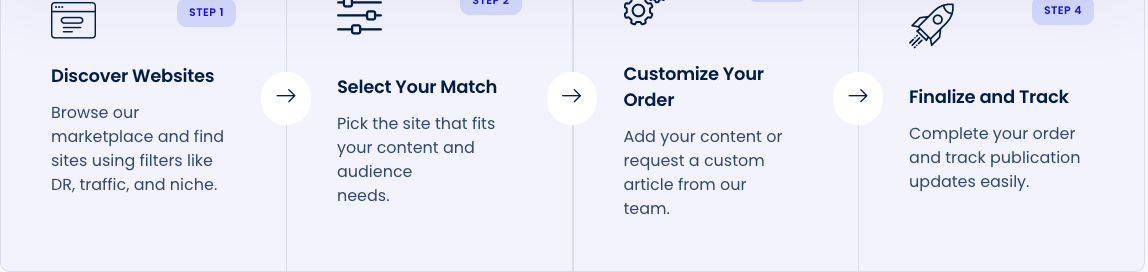
PressWhizz's own marketplace flow emphasizes the checks that matter in a buying workflow: discovering websites, selecting a fit, customizing the order, and tracking the final placement.
Use PressWhizz when:
- You want to browse publisher options directly.
- You need filters for niche, country, language, authority, and traffic.
- You already know how to evaluate domains before ordering.
- You want a faster workflow than manual outreach.
Check before buying:
- Over-reliance on DR, DA, or marketplace scores.
- Publishers with thin articles and suspicious outbound link patterns.
- Buying too many links from the same marketplace footprint.
PressWhizz is best for experienced buyers who want speed and transparency, not beginners who want the platform to make every quality decision for them. I would treat it as a strong discovery layer, not a substitute for reviewing the publisher yourself.
2. Bazoom
Bazoom is another large link marketplace, and its strongest angle is convenience. It is useful if you want to choose from a broad publisher database and let the platform handle content creation, communication, and publication logistics.
This is helpful for teams that do not want to run every outreach step manually. The tradeoff is that you still need to review the sites yourself. A managed process does not automatically mean every placement is worth buying.
Use Bazoom when:
- You want broad publisher choice.
- You prefer a handled workflow from selection to publication.
- You are buying placements across different niches or markets.
- You want pricing and publisher data visible before ordering.
Check before buying:
- Sites that exist mainly for sponsored content.
- Publisher pages with weak topical focus.
- Placements that help link metrics but do not create referral or brand value.
Bazoom is a good fit when you want marketplace scale but still plan to approve each domain carefully. The workflow can save time, but it should not make you less picky.
3. Collaborator.pro
Collaborator.pro is useful for buyers who want a transparent marketplace with a wide range of blogs, news sites, and regional publishers. It is often a practical option for SaaS, tech, local, and international campaigns where niche fit matters more than raw authority.
The platform is especially useful when you want to compare publisher data and make your own decisions. That gives you more control than a fully managed link package.
Use Collaborator.pro when:
- You need regional or niche-specific placements.
- You want to choose publishers manually.
- You care about transparent metrics and placement details.
- You are comfortable reviewing each site yourself.
Check before buying:
- Regional sites with traffic that does not match your target market.
- Publishers with broad, unfocused categories.
- Placements where the article topic is only loosely connected to your page.
Collaborator.pro works best when your campaign has a clear topical map and you are willing to filter aggressively. I like it more for targeted campaigns than for vague "we need more links" buying.
4. WhitePress
WhitePress is a strong option for international link building. It has broad publisher coverage across countries and languages, which makes it useful for brands running SEO campaigns outside a single English-speaking market.
The advantage is scale. The risk is uneven quality. A large database always includes a mix of strong publishers, average blogs, and sites that look better in metrics than they do in real search performance.
Use WhitePress when:
- You need multilingual sponsored content.
- You are building links in European or international markets.
- You want access to regional publishers that are hard to source manually.
- You need content production in local languages.
Check before buying:
- High-authority domains with low organic traffic.
- Translated content that reads unnatural.
- Publishers that accept unrelated sponsored posts in too many niches.
WhitePress is best for international campaigns where local relevance matters and you have someone who can review publisher quality in the target language. Without that language-level review, it is too easy to approve content that looks fine in a dashboard but weak on the page.
5. LinkHouse
LinkHouse is useful when you want faster placement options, especially niche edits and links inserted into existing content. That can be appealing because existing pages may already be indexed and may already have some search visibility.
But niche edits are also easy to abuse. A link inserted into an old article only makes sense if the page is still relevant, the update feels natural, and the link improves the page for readers.
Use LinkHouse when:
- You need faster placements than a full guest post workflow.
- You want to evaluate existing pages before approval.
- You are supporting a campaign with timely link acquisition.
- You can reject pages where the insertion feels forced.
Check before buying:
- Old posts updated only to add paid links.
- Pages with dozens of unrelated outbound links.
- Exact-match anchors inserted into awkward sentences.
LinkHouse can be useful, but only if you treat every niche edit as a page-level decision, not just a domain-level purchase. With niche edits, I care less about the headline metric and more about whether the old article still has a reason to exist.
6. Getfluence
Getfluence focuses more on premium sponsored content and publisher relationships than cheap link buying. It is a better fit for brands that care about media visibility, content quality, and reputation as much as SEO.
The higher cost can make sense if the placement reaches the right audience or supports broader PR goals. It is less attractive if you are only trying to buy the cheapest possible followed link.
Use Getfluence when:
- You want premium sponsored content.
- You care about brand-safe publisher environments.
- You are combining SEO with PR, awareness, or thought leadership.
- You have budget for fewer, stronger placements.
Check before buying:
- Paying premium prices for sites that do not reach your audience.
- Treating sponsored media as guaranteed ranking fuel.
- Weak article briefs that turn expensive placements into generic advertorials.
Getfluence is best for brands that want credible placements and can measure value beyond rankings. I would not use it for bargain hunting; I would use it when brand context matters.
7. Fat Joe
Fat Joe is a productized link building provider. It is popular with agencies and teams that want simple ordering, guest posts, niche edits, blogger outreach, and white-label reporting without building an internal outreach team.
The appeal is operational simplicity. The downside is less control than a marketplace where you manually select every publisher.
Use Fat Joe when:
- You need a predictable, scalable workflow.
- You are an agency reselling link building.
- You want reporting and delivery handled for you.
- You care more about process reliability than hand-picking every site.
Check before buying:
- Placements that are acceptable but not highly relevant.
- Buying links because the package is easy, not because the publisher is strong.
- Using the same provider too heavily across a campaign.
Fat Joe can work for supporting links, but I would not build an entire serious link profile from one productized source.
8. uSERP
uSERP is closer to a premium link building and digital PR agency than a simple backlink marketplace. It is built for companies that want strategy, content angles, publisher outreach, and high-authority mentions.
This is a better fit for SaaS, B2B, and enterprise brands than for small sites looking for low-cost links.
Use uSERP when:
- You need a strategic link acquisition partner.
- You have a real brand, product, or story to pitch.
- You want authority placements, not bulk guest posts.
- You can afford a retainer-style campaign.
Check before buying:
- High cost relative to early-stage budgets.
- Expecting PR-style links to produce instant ranking jumps.
- Weak internal pages that do not deserve external promotion yet.
uSERP is best when your site already has a strong content base and needs authority, not when you are trying to patch weak content with expensive links.
9. Editorial.Link
Editorial.Link is a good option for SaaS companies, agencies, and B2B brands that want pre-approved placements and a more editorial approach to link building.
Its value is in quality control and relevance. Instead of chasing huge link volume, the model is better suited to campaigns where every placement needs to make sense on paper and in context.
Use Editorial.Link when:
- You want to review placements before they go live.
- You need links from relevant B2B, SaaS, or business publications.
- You prefer fewer, higher-quality placements.
- You want a more managed link acquisition process.
Check before buying:
- Premium pricing.
- Limited fit for affiliate sites or very broad consumer niches.
- Overusing commercial anchors on high-value pages.
Editorial.Link is strongest when you value topical fit and editorial standards over link volume. That is usually the right tradeoff for SaaS and B2B campaigns where a sloppy placement can hurt trust, not just waste budget.
10. Authority Builders
Authority Builders is an established marketplace-style provider for guest posts and authority links. It is useful if you want curated site options and a more structured buying process than open freelancer marketplaces.
The key benefit is predictability. The key risk is the same one you face with any marketplace: strong metrics do not always mean the site is a good fit for your specific page.
Use Authority Builders when:
- You want vetted publisher options.
- You prefer guest post placements over raw link inserts.
- You want to choose from available sites with visible metrics.
- You need a structured workflow for ongoing campaigns.
Check before buying:
- Generalist blogs that cover too many unrelated topics.
- Overpaying for authority metrics without traffic value.
- Pages written around the link instead of around reader intent.
Authority Builders is a reasonable option for buyers who want marketplace convenience but still understand domain vetting. The buyer still has to decide whether the proposed site fits the page being promoted.
Places I Would Avoid for Serious Sites
Some channels can work for advanced SEOs running disposable projects, but they are a poor fit for brands that care about stable rankings, reputation, and repeatable growth.
| Channel | Why it is risky |
|---|---|
| Fiverr bulk backlink gigs | Usually low control, low relevance, automated links, PBNs, or spam packages |
| SEOClerks-style bulk offers | Similar risk: cheap volume instead of editorial value |
| Black hat forums | Some skilled operators exist, but quality control and accountability are inconsistent |
| Random Telegram link lists | High chance of reused inventories, PBNs, and hacked/link-injection offers |
| "DR 90 link for $25" offers | Usually fake, compromised, irrelevant, or short-lived |
If a link is cheap, fast, followed, high-DR, niche-relevant, guaranteed, and available to anyone, something probably does not add up. I would rather miss a questionable bargain than clean up a pattern that never should have been built.
How Much Do Backlinks Cost?
Prices move constantly by niche, country, publisher quality, traffic, and whether content is included. Instead of trusting fixed price claims, think in ranges:
| Placement type | Typical budget range | What affects price |
|---|---|---|
| Low-end guest post | $50-$200 | Smaller blogs, lower traffic, weaker editorial control |
| Mid-tier guest post | $200-$800 | Better topical fit, stronger domains, content included |
| Premium sponsored article | $800-$3,000+ | Recognized publisher, audience quality, editorial review |
| Digital PR campaign | $3,000-$15,000+ per month | Strategy, story development, outreach, media relationships |
| Niche edit | $100-$1,000+ | Existing page quality, traffic, link permanence, domain authority |
The expensive option is not always better. I would rather buy one relevant link from a real industry site with traffic than five high-DR links from generic blogs that publish every sponsored topic under the sun.
Buying Backlinks by Type: What You Actually Get
Most people do not search for "backlinks" in general. They search for a specific kind: cheap, high DA, permanent, niche, homepage, or in bulk. Each one comes with its own trade-offs.
Cheap backlinks
Cheap links (roughly under $50) usually come from small blogs, link farms, or sites that sell to anyone. A few are fine. Most are on sites with little real traffic and long lists of unrelated sponsored posts. If you need to stay on a tight budget, buy fewer links from real sites instead of many cheap ones. Marketplaces like PressWhizz, Collaborator.pro, and LinkHouse let you filter by price and still see each site's traffic before you order.
High DA and high DR backlinks
DA (Moz) and DR (Ahrefs) are third-party scores, not Google metrics, and they are easy to inflate. A "DA 70 link for $40" is almost always a site with a manipulated score, no organic traffic, or open sponsored-post inventory. When you buy high authority backlinks, check three things before the score: the site's organic traffic trend, whether it ranks for real keywords in your topic, and how many outbound sponsored links it already carries. Premium options such as Getfluence, Editorial.Link, and uSERP cost more because the authority is real.
Permanent backlinks
No paid link is truly permanent. Sites get sold, redesigned, or cleaned up, and sponsored posts get removed. "Permanent" usually means the seller promises not to remove the link, sometimes with a replacement guarantee. Ask for that guarantee in writing, record the live URL and date, and check the link every month. Removed links are why the tracking sheet below matters.
Niche and relevant backlinks
A link from a site in your own topic is worth more than a stronger link from an unrelated one, for both rankings and real referral traffic. Search the publisher's site for recent posts about your topic, and skip sites that publish everything from casinos to crypto to recipes. Niche edits (links added to an existing, relevant article) from LinkHouse or similar marketplaces work well here, as long as the article already gets traffic.
Homepage backlinks
Homepage links sound strong, but they often come from sidebar or footer slots on link-selling sites, which Google can easily discount. An in-content link inside a relevant article almost always does more. Buy a homepage placement only when the site is a real brand in your niche, such as a partner or industry directory with its own audience.
Bulk backlinks ("buy 1,000 backlinks")
Packages of hundreds or thousands of links are automated: comment spam, profile links, PBNs, or scraped directories. They rarely help and can trigger a manual action. If you need links at scale, a productized service like Fat Joe or a marketplace with many vetted publishers is the safer way to buy volume.
Buying backlinks in the USA (or another country)
If you sell in one country, links from sites with audiences in that country send more relevant signals and traffic. Filter marketplaces by country and language, and check where the publisher's organic traffic comes from. WhitePress and Collaborator.pro are strong for European markets. Most of the providers above cover the US.
Backlink Buying Workflow
Use this workflow before approving any paid backlink.
- Start with target page
- Improve content first
- Choose relevant publisher candidates
- Check traffic, topics, outbound links, and recent posts
- Reject the domain
- Choose a natural anchor and placement type
- Track live URL, attribute, cost, date, and performance
View diagram source
flowchart TD
    A[Start with target page] --> B{Is the page worth linking to?}
    B -- No --> C[Improve content first]
    B -- Yes --> D[Choose relevant publisher candidates]
    D --> E[Check traffic, topics, outbound links, and recent posts]
    E --> F{Would this placement help a real reader?}
    F -- No --> G[Reject the domain]
    F -- Yes --> H[Choose a natural anchor and placement type]
    H --> I[Track live URL, attribute, cost, date, and performance]
The most skipped step is the first one. If your target page is thin, outdated, or overly commercial, link building is not the fix. I have seen teams spend on links when the cheaper move was simply making the page more useful. Improve the page first with stronger content, better internal links, and clearer search intent. In some cases, SEO without backlinks is the better first move.
Anchor Text Rules That Look Natural
Aggressive anchor text is one of the easiest ways to make a paid link campaign look manufactured.
A safer mix looks like this:
- Mostly branded anchors: your company or product name.
- URL anchors: your homepage or page URL.
- Natural phrase anchors: "this guide," "their research," or "SEO checklist."
- Partial-match anchors used sparingly.
- Very limited exact-match commercial anchors.
If every paid placement points to a money page with the exact keyword you want to rank for, the pattern looks forced. A better strategy sends links to useful supporting assets, guides, data pages, tools, and brand pages, then uses internal links to route authority naturally.
Junia's AI internal linking tool can help with that second step: making sure important pages are connected internally instead of relying only on external links.
What to Track After You Buy a Link
Buying the placement is not the end of the job. You need to know whether it stayed live, whether it was indexed, whether the link attribute changed, and whether it sent any useful signals.
Track this in a simple sheet:
| Field | Why it matters |
|---|---|
| Publisher URL | Confirms the exact live placement |
| Target URL | Shows which page received the link |
| Anchor text | Helps monitor over-optimization |
| Link attribute | Tracks follow, nofollow, sponsored, or UGC |
| Publication date | Helps connect timing to ranking or traffic changes |
| Cost | Lets you compare ROI by provider |
| Organic traffic estimate | Helps evaluate publisher quality |
| Indexing status | Shows whether the page is discoverable |
| Referral traffic | Captures value beyond SEO |
| Link status | Flags removed or changed links |
Use Google Search Console, analytics data, and a third-party backlink tool. If a link is not discovered naturally, you can review whether backlink indexing tools make sense, but do not use indexing tools to rescue bad placements. A low-quality link is still a low-quality link after it gets indexed, and I would rather flag that quickly than pretend indexing fixed the quality problem.
For good placements that Google still has not found after a few weeks, a backlink indexer can submit them in one batch and spread the requests out over time.
If rankings drop after an aggressive campaign, do not panic-disavow everything immediately. Audit the pattern first, compare dates, check Search Console messages, and work through a structured recovery process like you would after a Google algorithm update.
When Direct Link Buying Is Not the Best Move
Buying links is not always the first move. If the site has thin content, weak technical SEO, no topical authority, or pages that do not deserve links yet, fix that before spending heavily on placements.
Good complements to paid backlinks include:
- Publish original data, benchmarks, calculators, templates, or statistics pages.
- Use AI-assisted link building to find prospects, personalize outreach, and scale follow-up without sending generic spam.
- Run guest posting campaigns through relevant blogs and publications using a real editorial pitch.
- Build free tools that solve a small problem in your market.
- Turn expert quotes, surveys, and internal data into PR-friendly stories.
- Use a backlink outreach email generator to draft better outreach, then edit it manually before sending.
- Strengthen your broader SEO best practices so links amplify a solid site instead of compensating for weak pages.
The strongest backlink profiles usually come from a mix of paid placements, useful content, smart outreach, digital PR, partnerships, and selective promotion. Paid links can speed things up, but they work better when the rest of the SEO foundation is solid. My bias is to make paid links the accelerator, not the engine.
Final Recommendation
If you are going to buy backlinks in 2026, do it selectively and keep control of the buying process.
Use marketplaces like PressWhizz, Bazoom, Collaborator.pro, WhitePress, LinkHouse, and Authority Builders when you want control over publisher selection. Use providers like Fat Joe when you need a productized agency workflow. Use Getfluence, Editorial.Link, or uSERP when brand quality, PR value, and higher-end placements matter more than volume.
But do not outsource judgment.
The best backlink provider is not the one with the biggest database or the loudest promise. It is the one that lets you inspect the publisher, reject weak fits, use natural anchors, understand the placement type, and build a link profile that looks like it belongs in your niche.
That is the standard I would use before spending a dollar.