DeepL vs Weglot vs AI Localization: Which Wins for Multilingual SEO?

Thu Nghiem

Thu

AI SEO Specialist, Full Stack Developer

AI localization vs DeepL vs Weglot

The global e-commerce market is growing really fast right now, with a projected annual growth rate of 30.5% until 2031, which is kind of wild if you think about it. Multilingual content has basically become the key to connecting businesses with billions of potential customers all over the world. If you're not talking to people in their own language, honestly, you're just leaving money on the table and missing out on a lot of potential revenue.

AI localization is totally changing how businesses think about going international. It automates a lot of the work of adapting content and still tries to keep things culturally correct and accurate. This tech is more than just simple translation, it goes further by creating more personalized experiences that actually feel right for local audiences and also help improve your search visibility in your target markets.

You've probably already heard of DeepL and Weglot, they’re two of the big names in the website translation space. They both have powerful features and all that, but they’re not the only options if you want to get good multilingual SEO results. The best tool really depends on what you need for your specific business, like how much content you have, how often it changes, and how much control you want over your translations.

To really maximize your reach, it’s super important to understand how to write and localize articles in multiple languages. When you know how to do that properly, it gives you a lot more power to connect with different audiences around the world in a way that actually works.

Or, if you don’t want to do everything by hand, you can use the power of AI article writers or AI content generators. These tools are kind of changing how marketers create content, since they help boost productivity and SEO rankings at the same time. They can really make things easier when you need to create a lot of coherent and plagiarism-free text, especially when you're dealing with big volumes of content and you're on a deadline.

In this article, I’ll walk you through a more detailed comparison of AI localization tools, looking at their strengths, weaknesses, and the situations where each one works best. By the end, you’ll have a clearer idea of which solution actually fits your SEO goals and your budget too.

Understanding AI Localization

AI localization is kind of like the next level of automatic content adaptation, way more than just doing a basic word-for-word translation. It uses technology to pick up on context, cultural details, and what people in different regions actually like, so the content feels like it really fits each audience. With this process, you can turn your website, marketing materials, and customer communications into experiences that feel natural and actually relevant for users in different markets, instead of sounding weird or out of place.

How Does AI Localization Work?

So, the basic idea behind AI localization is that it uses things like neural networks and machine learning algorithms. These tools help us understand not just what words mean, but kind of how they matter in different cultural contexts too. Here's how it works, more or less:

  1. Learning from Human Translations: When implementing AI localization, the system goes through really big datasets of human translations. By doing that, it can spot idiomatic expressions, regional dialects, and industry-specific terminology. It kind of copies what people already do well.
  2. Understanding Cultural Contexts: By studying all these examples, the AI slowly gains insight into how language works in different cultures. It starts noticing patterns and then learns to adapt to them, sometimes surprisingly well.
  3. Maintaining Meaning Across Languages: Because of this, your content can keep its original message and emotional impact, even when it’s translated into multiple languages. So people in other places still get what you meant to say.

Benefits of AI Localization

1. Personalized Multilingual Experience at Scale

Because AI can quickly process and adapt a huge amount of content really fast, you can actually localize thousands of product descriptions, blog posts, or support articles in just a few hours instead of waiting weeks. It’s kind of wild how fast it can go once it’s set up right.

2. Continuous Improvement through User Feedback

The AI system keeps learning and improving its output based on user interactions and feedback. So over time, the translation quality just gets better and better, not worse. It’s like it’s always tweaking itself in the background.

3. Culturally Relevant SEO Optimization

From an SEO standpoint, AI localization helps make sure your content includes culturally appropriate keywords and phrases that real users actually search for in their own languages. You’re not just translating your English keywords and hoping for the best. Instead, you’re discovering the terms that really connect and resonate in each market.

4. Enhanced Search Rankings and User Engagement

This kind of cultural adaptation has a direct impact on your search rankings, user engagement metrics, and even your conversion rates across different international markets. So yeah, it’s not just a small detail, it actually affects performance.

5. Boosted Domain Authority with Internal Linking

Additionally, by using AI-powered internal linking, you can boost your domain authority and improve user experience. It does this by smoothly adding naturally occurring anchor links within your content, so it feels pretty seamless while people are reading.

Effortless Translation into Multiple Languages

Using AI-powered multilingual bulk translation tools makes it super simple to translate, rewrite, and localize your content into more than 30 languages all at once. It’s kind of crazy how fast it works. This is really helpful for global content creators and businesses that want to reach more people and, you know, actually grow their audience in different countries.

Improving Low Ranking Pages

If you're dealing with pages that barely get any rankings or traffic, you can use our Page Rank Improver tool to really boost how well those pages perform on your website. It can make a pretty big difference, especially for pages that feel kinda stuck.

Staying Updated with AI Text Generation Technology

As we move further into 2025 and honestly even beyond that, it's really important to keep up with the latest stuff happening in AI text generation technology. Things change fast and kinda all at once. Our comprehensive guide on the best AI text generators available will help you sort through and understand the top tools that are changing how people do content creation and SEO today.

Exploring DeepL as an AI Localization Tool

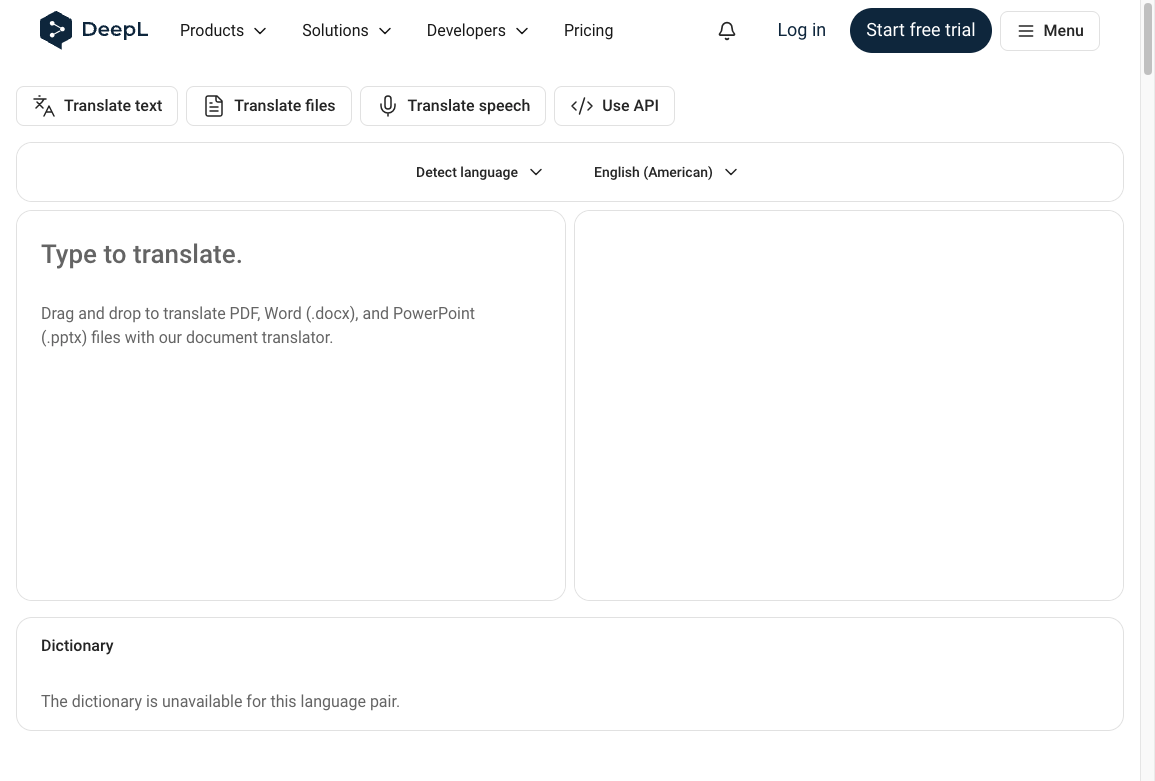
DeepL translation tool is often seen as one of the most accurate machine translation solutions out there right now. It uses a neural network setup that looks at whole sentences at once instead of just going word by word. So it kind of understands the full idea and the little nuances that simple word-by-word translation systems usually miss. Because of this, the translations usually sound pretty natural and still keep the original message's intent across 31 languages.

Glossary Customization Feature

One thing that really makes DeepL stand out from other translation tools is its glossary customization feature. With this feature, you can set up your own specific terminology translations for your business, so your technical terms, product names, and brand-specific language stay consistent in all your translated content. This is super helpful, especially when you are working with legal documents, medical terminology, or detailed engineering specifications where every little word kind of matters a lot and precision is really crucial.

Industry-Specific Language Support

DeepL also helps with a big problem a lot of businesses run into: staying accurate in really specialized areas through its industry-specific language support. For example, companies like Deutsche Bahn use DeepL to work with complex technical language in their international operations, making sure safety rules and operational instructions are always translated correctly. And the cool thing is, the tool actually learns from your changes and preferences over time, so its output just keeps getting better and better.

API Integration Capabilities

With DeepL's API integration capabilities, you can plug translation features right into your normal workflows instead of dealing with everything separately. So you’re not stuck doing manual copy and paste all the time anymore, the tool can quietly hook into content management systems, documentation platforms, and even customer support software. Because of this, a lot of the work basically runs on its own, which cuts down the time your team spends on translation tasks, while still keeping the high quality your brand needs and expects.

Document Translation Feature

Another great feature offered by DeepL is its ability to translate documents while preserving formatting. So basically, you can upload Word documents, PowerPoint presentations, or PDFs and get translated versions that still keep your original layout and styling. You don’t have to spend hours fixing the format again, which honestly gets annoying, and it helps keep everything consistent across all your translated materials.

Examining Weglot as an Alternative Solution for Website Localization

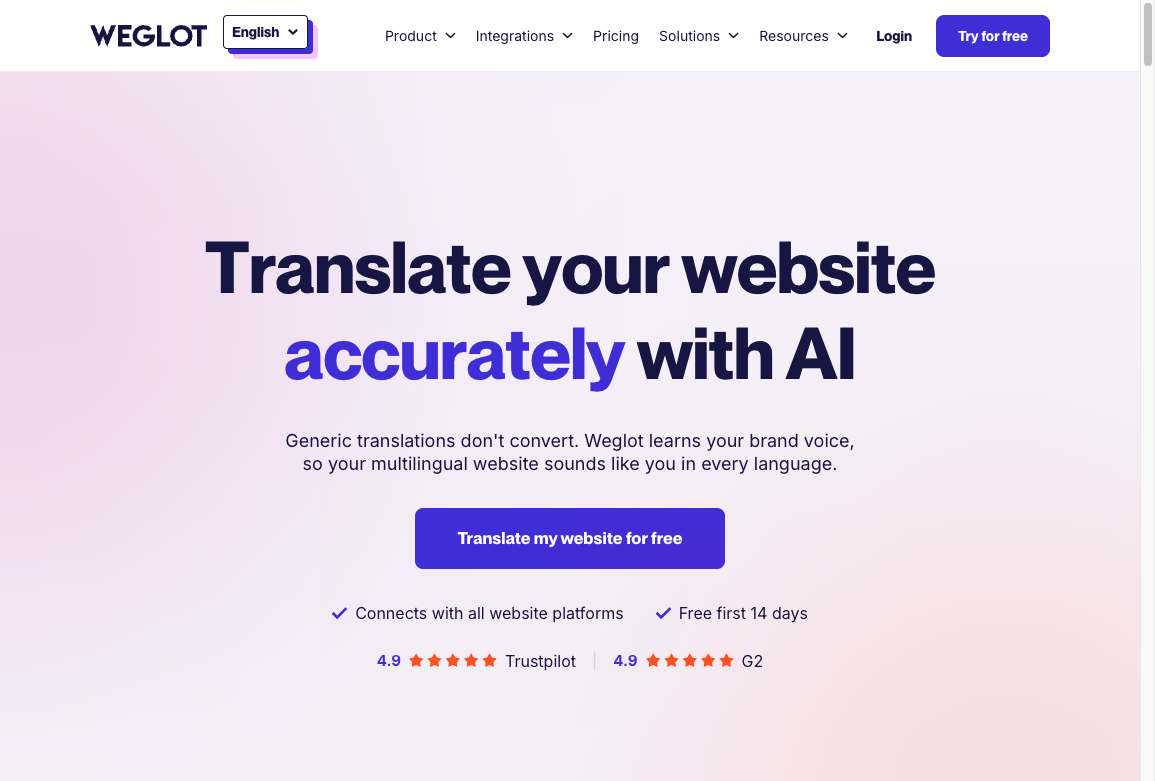
Weglot is pretty unique as a dedicated website localization platform, and it kind of works in a different way compared to normal standalone translation tools. Instead of just acting like a simple translation engine, this SaaS solution sort of wraps around your existing website setup to build a full multilingual experience. You just install Weglot with a simple plugin or a small code snippet, and then it quickly starts picking up all the content on your site that can be translated. That means everything from navigation menus and product descriptions to metadata that’s really important for SEO performance.

Website Translation Automation

The whole platform is basically built around website translation automation. So whenever you publish new content or even just update some old page, Weglot automatically spots those changes and puts them in a queue for translation. You don’t have to keep watching it all the time, which is usually what slows down a lot of international content strategies. You’re not stuck copying and pasting text into different translation tools or trying to handle a bunch of separate versions of your website on different domains.

API Integration Flexibility

One of the big things that makes Weglot really stand out is how flexible its API integration is. It doesn’t just force you to use one translation provider and that’s it. Instead, it can hook up to a bunch of translation engines at the same time, like DeepL, Google Translate, and Microsoft Translator. You can actually set it up so different providers handle different language pairs, based on the quality benchmarks you’ve tried out and tested yourself. Because of this kind of multi-provider setup, Weglot works both as a DeepL alternative for SEO and also as a helpful add-on tool that uses DeepL’s accuracy inside a bigger, more complete localization system.

Visual Workflow for Translation Review

The visual editor interface really deserves a closer look. You can actually review translations right on your live website preview, seeing everything in context and tweaking things as you go, without ever touching the code. This kind of visual workflow speeds up the whole review process a lot, which usually takes a while because developers, translators, and marketers all have to coordinate across a bunch of different platforms and tools and everything.

Comparative Analysis: DeepL vs. Weglot vs. Other AI Localization Tools

When you're checking out different AI localization solutions, it really helps to understand what each platform actually does and how they’re different. That way, you can make a more informed choice that actually fits your business needs, instead of just guessing or going with whatever looks cool at first.

Translation Accuracy Comparison

DeepL really stands out because of its neural network architecture, which basically helps it give translations with really strong contextual awareness. You can usually see how it handles complex sentence structures and even industry-specific terminology pretty well, especially when you’ve set up custom glossaries. Most of the time the platform gives you natural-sounding translations that only need a little post-editing, or sometimes none at all, which makes it great when you just want standalone translation capabilities and don’t feel like doing a ton of extra work after.

Weglot takes kind of a different route by pulling from multiple translation engines, including DeepL's API. So you get the advantage of comparative translation quality without having to juggle a bunch of separate platforms at once. The system automatically picks what it thinks are the best translation providers based on language pairs, which gives you a lot of flexibility, but without all the annoying complexity of manual provider management.

Platform Integration and Ease of Use

The user experience is actually pretty different between these two solutions. DeepL has a really simple interface that mostly focuses on document and text translation, and it also has API access if developers want to build custom integrations. You’ll probably like how simple it is, especially when you just need quick and accurate translations without a lot of setup or messing around.

Weglot's visual editor, on the other hand, lets you see your translations right inside your actual website layout, which is super helpful. You can edit translations in real-time while you’re looking at how they appear on

Choosing the Right AI Localization Tool for Your Business Needs

When you start your business needs assessment, it really begins with figuring out your company’s own, kind of, specific localization needs. Every business is a bit different. So you have to look at a few important things and think them through carefully before you actually decide and stick with one platform.

1. Target Markets and Language Pairs

You should start by figuring out which geographic regions matter the most for your business expansion strategy. Like, where are you actually trying to grow first. If you're targeting European markets, DeepL's exceptional accuracy in European languages makes it a really strong contender. But if you want a broader global reach that spans places like Asia, Africa, or Latin America, then you’ll need to double check that your chosen tool supports these language pairs with good enough quality. In those kinds of cases, exploring options like ChatGPT for language translation could give you some extra support and flexibility.

2. Content Volume and Frequency

Think about how much content you're actually translating on a regular basis. If you’re handling a lot, like really high-volume stuff, Weglot’s automated detection and translation of website changes can be super helpful, since it reduces how much manual work you need to do. On the other hand, if you’re only translating every now and then, like occasional documents or smaller batches of content, DeepL’s standalone translation features might be totally enough, and you probably don’t need a full website localization platform for that. But if you are working with large volumes of content that need indexing, then using a Google Indexing Tool could really help streamline the whole process a lot.

3. Control and Customization Requirements

Your industry's technical terminology really needs some extra attention. If you're in a specialized field like legal, medical, or engineering, you pretty much need DeepL's glossary features to keep everything consistent. You should think about whether you actually need manual review workflows, with people checking the translations, or if automated translations are good enough for your quality standards.

4. Technical Integration Needs

Take a good look at your current tech stack first. Weglot's plug-and-play integration fits in really easily with most major CMS platforms, so you can get it running pretty fast. On the other hand, DeepL's API gives you more flexibility if you want something more custom or specific. In the end, your development resources and your timeline kind of decide which option actually works best for your day to day operations and what your team can really handle.

The future of AI localization is growing really fast and honestly it’s already going way beyond just simple translation stuff. With all these new and pretty advanced AI translation tools coming out, neural machine translation models are getting a lot better at picking up on context, tone, and little cultural nuances. And yeah, all of that really affects how search engines judge content quality and relevance in different regions, which is kind of a big deal for SEO.

Real-time Content Adaptation

Real-time content adaptation is kind of a big change in how businesses think about multilingual SEO. By using AI for efficient multilingual SEO strategies, businesses can automatically tweak not just the language, but also things like visuals, currency formats, and even product recommendations, depending on what people in each region usually prefer. This kind of deeper personalization basically tells search engines that your content actually tries to help local audiences, instead of just being a quick translated version thrown in at the end.

Voice Search Optimization

Voice search optimization in multiple languages is starting to become a really big deal now. As more and more voice-activated devices show up all over the world, AI localization tools have to keep up and sort of adjust to how people actually talk, like real conversational queries and all those different regional speech patterns. The tools that really nail this part are going to give businesses a pretty big competitive advantage, especially for companies that want to win in voice-driven markets.

Advanced SEO Features

DeepL alternative for SEO solutions are starting to come with some pretty advanced features now, like automatic metadata localization, hreflang tag management, and region-specific keyword optimization. All this stuff helps make sure the technical SEO parts get just as much attention as the content people actually see, which is kinda important. Together, these features build a really complete multilingual presence that search engines notice and usually reward with better visibility.

Predictive Localization

Looking ahead, predictive localization is kind of the next big thing. It’s basically AI systems that try to guess which markets and languages are most likely to bring in the most value for your specific business model, so you can focus your time and resources where they matter most. And on top of that, if you start working more long-form content into your strategy, it could really help your SEO by driving more web traffic and making user engagement a lot stronger over time.

Conclusion

AI-powered localization is basically your key to growing globally in a real, meaningful way. When you compare AI localization with DeepL, Weglot, and other tools, you start to see that each one has its own special advantages for different kinds of businesses and situations.

  • DeepL really stands out because of its super precise translations and industry-specific customization with glossaries. That’s why it can be an excellent alternative for SEO, especially when you use it together with other platforms.
  • Weglot makes website localization a lot simpler by pulling in multiple translation providers, including DeepL's API. So you kind of get a complete management solution in one place.

Your final decision basically comes down to your own operational needs, like what your business can handle and what it actually needs:

  1. Budget constraints and how much translation volume you’re dealing with
  2. Technical capabilities of your team and what they’re comfortable working with
  3. Level of customization your industry really needs to work well
  4. Integration requirements with your existing systems and tools

To get the best return on investment (ROI), you’ll want tools that find a good balance between fast automated efficiency and real cultural accuracy. The right AI localization strategy is more than just turning words from one language into another. It builds genuine multilingual experiences that connect with local audiences, help your search rankings, and yeah, also increase conversions.

Start by looking at your target markets and how complex your content actually is. Then from there, pick the solution that fits both what you need right now and what you want in the long run for international growth.

Frequently asked questions
  • AI localization basically means using automated tools to adapt content so it feels personal and multilingual, even when you’re doing it at a huge scale. It helps businesses tweak things so they’re more culturally adapted and the translations actually make sense in context, you know, which then helps keep users more engaged and also boosts SEO performance in global markets.
  • DeepL is a pretty popular AI translation tool, mostly because it lets you customize a glossary and also supports all kinds of industry-specific language. Stuff like that really helps businesses get translations that are not just accurate but also make sense in the right context. So yeah, it ends up being a really good option for SEO optimization, since it helps your content actually connect and resonate with your target audiences.
  • Weglot is a pretty complete SaaS platform that’s made mainly for website localization. It helps you automate website translation, and it also gives you really smooth API integration, which is nice if you don’t want to mess with too much technical stuff. It works with several translation providers, including DeepL, so you’re not just stuck with one option. Because it’s easy to use and lets you manage a multilingual website without a lot of stress, it’s a really attractive alternative for businesses that want SEO-friendly localization solutions.
  • While DeepL is really good at translation accuracy and lets you use customizable glossaries, Weglot is better when it comes to platform integration and has more user-friendly automation stuff. Other AI localization tools are pretty different in what they offer, so it’s important to look at things like translation quality, customization options, interface design, and automation. That way you can actually figure out which one is the best fit for your specific business needs.
  • Businesses really need to look at who their target markets are, how much content they want to get localized, and how much control they actually want over translations. Plus, of course, stuff like budget limits and how all this is going to affect their day to day operations. When they understand all these things properly, it becomes a lot easier to pick an AI localization tool that actually fits what they’re trying to do. So it lines up with their goals for effective multilingual SEO and helps them expand their global reach in a way that actually makes sense.
  • Some new trends are starting to show up, like way better personalization of multilingual experiences using advanced AI algorithms. So, you get stuff that actually feels more tailored to different people and languages. There’s also improved contextual understanding, which basically means translations are getting more accurate and not so, like, awkward. On top of that, AI localization is being connected more with other SEO tools, so everything kind of works together. All of these changes are going to keep boosting organic search visibility and give businesses more creative and smart ways to improve their global digital presence.