Publish One Post in 10 Languages: The WPML + AI Workflow

Thu Nghiem

Thu

AI SEO Specialist, Full Stack Developer

automate multilingual blog

So you’re trying to reach a global audience, right? That basically means your blog has to literally speak their language. This guide walks you through how to automate multilingual blog creation using AI and automation tools, so you don’t have to sit there translating every single post manually, piece by piece. Which is… super tiring.

Honestly, the situation is pretty simple. When you manage content in multiple languages the old-school way, it usually needs a ton of time, whole translation teams, and constant back and forth. But with modern automation, that whole setup kind of changes completely.

Here’s what you’re going to learn:

  • How AI SEO automation can totally change how you create content across different languages
  • Exactly which tools like WPML and AI-powered translation services can handle bulk content generation while still keeping things high quality
  • Real, practical ways to keep your SEO solid while you scale your content for global audiences
  • Step by step style implementation tips so you can set up automated translation workflows on your own

The multilingual blogging benefits are actually way more than just getting more readers. You can reach markets your competitors don’t even bother with, boost your search visibility in different regions, and build authority in different language communities at the same time. Kind of like being everywhere at once.

This isn’t just theory or something super academic. These are real, actionable methods using platforms like WordPress with WPML, plus CMS setups that work with DeepL’s AI translation tech. You’ll see how all these tools connect together to build a smooth system that can pump out quality multilingual content at scale.

To make this work properly, it really helps to know how to write and localize articles in multiple languages in a smart way. It’s not just copying the text into another language. You also have to adjust it so it fits local culture, tone, and what people in that region actually care about.

On top of that, using an AI bulk content generator can seriously speed things up when you need ready-to-rank articles in bulk. These tools can auto-schedule posts and help you publish a lot of high-quality content really fast, and pretty efficiently too.

If you’re curious about specific AI tools, it’s worth checking out how to use ChatGPT for language translation. It can give you accurate and pretty natural sounding translations, especially when you set it up and prompt it the right way.

Also, using an AI-powered multilingual bulk translate tool can make your whole content workflow even smoother. Tools like that support over 30 languages at once, which is super useful if you’re running a global content operation or any kind of international business.

Understanding Multilingual Blogging Automation

Multilingual blogging automation is basically when you use tech to create, manage, and publish blog content in a bunch of different languages, without having to manually translate every single thing yourself. So you set up a kind of workflow that takes your original content and turns it into versions in other languages. And it tries to keep everything the same, like consistency, SEO integrity, and your brand voice, across all those translations.

This really matters when you think about what you’d have to do without it. Like, imagine manually translating every blog post, keeping separate content calendars for every language, and then also making sure all the metadata is localized correctly. That’s a lot. It eats up time and energy that most content teams honestly just don’t have. Automation steps in and does most of the boring heavy lifting for you, so you can focus more on the strategy and checking quality instead of copying and pasting stuff all day.

Key multilingual blog automation tools usually fit into two main categories:

1. Content Management System Plugins

  • The WPML plugin is kind of the main go to tool for a lot of WordPress sites. It gives you really solid control over things like URL structures, how translations are linked together, and all your multilingual SEO settings too
  • Since it connects directly with your existing CMS, you don’t have to mess around with switching between a bunch of different platforms all the time
  • It also has built-in translation management features, so you can handle both automated and manual translation workflows in one place, which is pretty handy

2. AI Translation Services

  • Modern platforms like DeepL use neural machine translation that actually understands context and nuance, not just word by word stuff
  • They also have integration capabilities with popular CMS platforms (HubSpot, WordPress, and others) so you can set up pretty seamless automated translation without doing everything manually
  • There’s support for 20+ languages including Arabic, Chinese (simplified), French, German, Japanese, and Spanish, which covers most of what people usually need

You'll find that combining these tools kind of creates a powerful ecosystem. The WPML plugin takes care of the structural elements of your multilingual site, while AI translation services generate the actual translated content. So this partnership between multilingual blog automation tools ends up delivering both speed and quality at scale, which is honestly pretty hard to get otherwise.

Using WPML for Multilingual Blog Automation

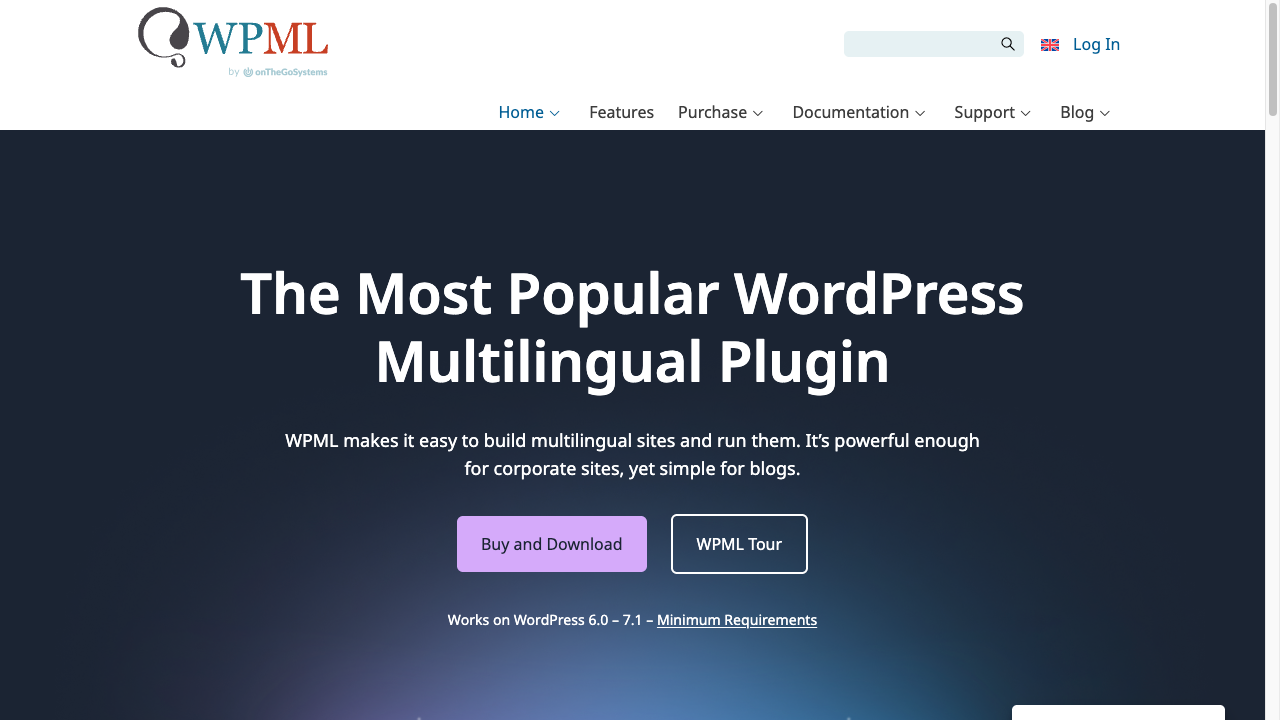
WPML is honestly one of the best WordPress multilingual plugin options for bloggers who want to scale their content across different languages without totally losing their mind in the process. I’ve used WPML on multiple projects now, and yeah, its feature set is pretty packed. It really does feel worth every penny if you’re doing serious multilingual operations and not just, like, a one off thing.

Key Features of WPML That Matter

This plugin gives you a lot of control over how your multilingual content shows up for both users and search engines. You can actually pick from a few different URL structure options, like:

  • Directories - yoursite.com/es/blog-post
  • Subdomains - es.yoursite.com/blog-post
  • Different domains - yoursite.es/blog-post

Each of these has its own SEO implications, so it kind of depends on your strategy, and WPML lets you switch between them when you need to. The plugin also automatically takes care of hreflang tags, which basically tell search engines about your language variations and help avoid duplicate content issues. So you don’t really have to stress about that part.

Managing SEO Meta Information

WPML gives you special fields so you can translate your SEO titles, meta descriptions, and Open Graph tags for every language version you use. You’re not just stuck with automatic translations either, which is nice. You can actually tweak and customize every little element so it fits local search intent and different cultural vibes in each place. The interface shows your original content side by side with the translation fields, so it’s pretty simple to keep everything consistent while still changing your message to fit what each audience needs.

Translation Linking and Site Structure

The plugin automatically links your translated posts together, so search engines can kind of see how all the different language versions are related. You’ll also notice a language switcher that WPML adds to your site, which lets visitors move between translations pretty easily, almost without thinking about it. On top of that, the plugin takes care of your XML sitemaps separately for each language, making sure search engines can crawl and index all your content variations properly and, yeah, pretty efficiently too.

Integrating AI-Powered Translation Services with CMS Platforms

AI automatic translation has really changed how you can automate multilingual blog content creation. Instead of doing that super boring, manual translation stuff over and over, this tech basically takes care of it for you and keeps things consistent in every language. When you plug AI-powered services into your content management system's translation workflow, you’re kind of building this little production line for multilingual content that just runs at scale on its own, pretty much.

The HubSpot DeepL integration is a really good example of how modern CMS platforms are starting to use AI translation tools. DeepL's neural network technology usually gives translations that catch nuance and context way better than a lot of older machine translation services. Once you turn this integration on inside HubSpot, you get automatic translation for more than 20 languages, like Arabic, Chinese (simplified), French, German, Japanese, and Spanish, and a bunch of others too.

How to Apply AI Translations in HubSpot

Using AI translations in your CMS is actually pretty simple, kind of a step by step thing:

  1. Navigate to your content: Open the blog post or page you want to translate inside your HubSpot dashboard
  2. Select language variation: Click on the language dropdown menu and pick the target language you want
  3. Choose translation method: Select "Translate with AI" from the options that pop up
  4. Review language settings: Make sure the source and target languages are set correctly, just double check it
  5. Execute translation: Click the translate button and let it generate your multilingual version
  6. Create or replace: Decide if you want to create a new language variation or replace any existing translated content you already have

The AI processes your content in just a few seconds, which is kind of nice, and it keeps your original formatting the same, like headings, bullet points, and how your paragraphs are laid out. You can use this same workflow on a bunch of pages at once, so what used to take hours of translation work can basically turn into just a few minutes of automated processing.

If you want to take your content creation a bit further than just translations, you can try using AI article writers or AI content generators. These tools help you create content faster and also boost SEO rankings, so you get better results overall.

Also, if you’re dealing with pages that have low ranking or not much traffic, using an AI page rank improver tool might really help. You just enter the URL of the page you want to improve and basically let the AI handle the rest for you.

On top of all that, checking out the best AI translation tools can help you reach a global audience more easily. They help you get past language barriers and can boost SEO with multilingual content, which is pretty important if you want more people to actually find your site.

Supporting SEO Best Practices in Multilingual Automation

Multilingual SEO optimization isn’t just about translating stuff and calling it a day. You need a real plan for it. Every language version of your blog has to keep its own search engine visibility, kind of like its own identity, while still following the technical SEO standards that search engines expect and honestly rely on a lot.

Critical SEO Elements for Translated Content

When you’re automating multilingual blogs, you really have to keep an eye on a few important things. Like, these parts kind of decide if your translated content actually works well or just sort of gets lost online:

  • URL Structure Management Each language version should have its own clear and simple URL structure. Tools like WPML let you pick if you want to use subdirectories (example.com/es/), subdomains (es.example.com), or even totally separate domains (example.es). It looks small but it really matters for SEO.
  • Hreflang Tag Implementation These tags basically tell search engines which language you’re using on a specific page. They also help avoid weird duplicate content issues when you have the same page in different languages.
  • Meta Tags Customization Your title tags and meta descriptions need to be optimized for each target language. Not just copied over as direct translations of the original content. You kind of have to rewrite them so they sound natural in that language.
  • Internal Linking Architecture Try to connect related content within the same language version. This helps build topical authority and also makes it easier for search engines to crawl your site properly.

Optimizing Translated Content SEO

Automation tools give you a good starting point, but real translated content SEO usually needs more careful tweaking. You should always go back and review keyword research for each target market, because just directly translating keywords almost never matches what people actually search for locally. A phrase that ranks really well in English might have totally different search volume or competition in Spanish or Japanese, or any other language honestly.

WPML's SEO features let you handle things like canonical URLs, set custom meta information for each language, and manage XML sitemaps that include all your different language versions. Having this kind of control helps search engines index and rank every version on its own, so they do not mix them up. That way you can really maximize your search engine visibility across different countries, regions, and language preferences.

If you want to boost your site's visibility in search results even more, you can try using a Google Indexing Tool. It can help you bulk submit your web pages or backlinks to search engines, and it usually gets over 80% success rate, which is honestly pretty solid.

Challenges and Considerations When Automating Multilingual Blogs

Automation limitations start to really show up when you lean only on AI-powered translation tools. Even though machine translation has come a long way, it still has a hard time with more nuanced language stuff, like expressions, idioms, or meanings that change a lot depending on context. You’ll especially notice these gaps in creative content, tricky technical jargon, or really specific industry-related terminology where getting it exactly right actually matters a lot.

Translation accuracy challenges are more than just swapping one word for another. Cultural references that make sense and feel fun or normal to your English-speaking audience might just feel weird, flat, or even a bit offensive to people in other regions. AI tools don’t always get those tiny changes in tone that different cultures expect. So you might see that automated translations of marketing copy lose that persuasive feeling, or that certain jokes and humor just don’t really work at all in other languages.

The human editing necessity really can’t be stressed enough. You still need native speakers or professional translators to go through AI-generated content before it goes live. This review step helps catch things like:

  • Grammatical errors that automated systems somehow miss
  • Cultural insensitivities or references that might be off or awkward
  • Brand voice inconsistencies from one language version to another
  • Technical terminology that needs someone with actual specialized knowledge

Balancing speed with quality means you probably need a hybrid workflow. You can let AI translation handle the first draft, then put human review time where it matters the most. High-value pages like product descriptions or landing pages should get more careful editing than quick, time-sensitive news updates. With this kind of setup, you can keep publishing fast while still protecting your brand reputation in every language market you’re trying to reach.

The future of AI SEO is honestly pretty exciting, especially for automating multilingual blog content. Things are changing fast and it looks like there’s a lot more coming. Here are some key trends you’ll probably want to keep an eye on:

1. Advanced Translation Techniques

Machine learning models are growing up a lot, kind of moving way past simple word-for-word translations now. They can actually pick up on context, idioms, and even little cultural nuances that used to get totally lost before. Neural machine translation systems are leading this shift, because they look at whole paragraphs instead of just random single sentences. So the translations usually sound more natural and smooth in the target language, almost like a real person wrote them.

2. Enhanced Multilingual SEO Strategies

AI is really starting to change how multilingual SEO strategies work. By using AI for efficient multilingual SEO, businesses can grow their global reach with pretty accurate translations and a better feel for different cultures. Now, a lot of advanced multilingual automation platforms are building real-time SEO optimization right into the translation process. So basically, AI systems will automatically tweak keyword density, meta descriptions and heading structures for each language market, and it all happens without anyone having to do it by hand.

3. Incorporating Visual Content

Translation technology is changing really fast, and now it’s using something called multimodal learning. That just means AI systems can understand images, videos, and text all at the same time, kind of like how people do when they scroll through a page. Because of this, your visual content can get translations that actually match what’s in the picture or video, not just the words. So everything feels more natural and connected, and users get a smooth, seamless experience across all language versions.

4. Simplified Multilingual Blog Management

Being able to automate multilingual blog management on a large scale is going to get way easier, like seriously easier, through things like:

  • Predictive content localization that suggests which articles to translate based on regional interest patterns
  • Automated A/B testing across language versions to optimize engagement metrics
  • Self-learning systems that enhance translation quality based on user interaction data
  • Voice search optimization for multilingual queries as voice assistants become more widespread globally

All of this stuff together will cut the time spent managing translations from hours to just minutes, while still keeping better quality standards than most current automation tools can really offer right now.

5. Improved SEO with Internal Linking

Also, using AI-powered internal linking can really help boost your SEO, since it adds naturally occurring anchor links right into your content. This kind of thing can slowly increase your domain authority and also make the user experience better, like people just find stuff easier and stay around longer.

6. Long-Form Content Strategy

Also, when you start using long-form content in your multilingual blogging strategy, it can really help boost your website's SEO performance even more. Long-form articles are actually pretty powerful and have been shown to work really well for bringing in more web traffic and helping with business growth.

7. The Role of AI Text Generators

Looking ahead, it’s pretty clear that the best AI text generators of 2025 are going to have a big impact on how we create content and handle SEO. They’ll help people work faster and a lot more efficiently, and at the same time they can pull in more traffic while still keeping the whole brand feeling the same and, you know, on point.

Conclusion

So at this point, you basically have the whole blueprint to automate multilingual blogging and start reaching people all over the world, without getting buried in a ton of manual translation work. When you mix WPML's strong multilingual management tools with AI-powered translation services, you get a pretty powerful setup. It lets you automate a lot of stuff, save time, and still keep things at a good quality level.

If we recap the benefits, it’s actually pretty simple: you’ll cut down your content production time, keep your SEO performance steady across different languages, and grow your global presence without having to increase your workload in the same way. Tools like WPML take care of the technical SEO things for you, while AI translators powered by DeepL and similar technology do most of the heavy lifting for turning your content into other languages.

You can just start small, with one or two extra languages, to test your automate multilingual blog workflow. Pretty quickly, you’ll see which parts still need a human touch and which areas can just run on automation by themselves. The technology to make multilingual content creation easier and efficient is already here today, you just have to actually use it. Your global audience is out there waiting, and these smart automation strategies can help you reach them faster than ever before.

Frequently asked questions
  • Automating multilingual blogging with AI and automation tools basically makes it way easier to create content in a bunch of different languages. It helps you reach people globally, improves SEO performance by managing language variations more effectively, and honestly just saves a lot of time by letting you do bulk content generation. This kind of approach lets bloggers keep their posts pretty consistent in quality and still use SEO-friendly structures even when they’re working in different languages.
  • Some key tools for automating multilingual blogs include the WPML plugin for WordPress, which helps you manage multilingual content and keep SEO-friendly URL structures. It kind of organizes everything for you so different languages don’t get messy. There are also AI-powered translation services like DeepL that you can integrate with CMS platforms such as HubSpot. Together, these tools make it way easier to handle translation management, do bulk content generation, and keep your search engine visibility optimized across different languages.
  • WPML helps a lot with SEO optimization because it lets you control how your URLs look, set SEO meta information for every language version, and link all the translations together really smoothly. All of this makes sure that each language version of a blog can be properly indexed by search engines, so your visibility and ranking get better, while still keeping the whole user experience across languages clear and consistent.
  • AI-powered translation services basically take your blog content and turn it into a bunch of different languages pretty fast, and honestly, pretty efficiently too. When you hook them up with CMS platforms like HubSpot using DeepL, you can just pick which language versions you want and then apply automatic translations right inside your normal content management workflow. This kind of setup speeds up bulk content generation a lot, while still keeping things pretty consistent across all the different languages.
  • Some of the challenges are that automatic translations can be wrong or a bit off, which can mess with cultural relevance and just basic correctness, so yeah, people still have to go in and edit things to make sure the quality is good. Trying to balance how fast automation works with actually doing careful quality checks is really important, so the translated content still stays high quality and keeps its SEO effectiveness.
  • In the future, we’re probably going to see big changes, like new advancements in machine learning that make translation way more accurate. There’s also going to be more advanced multilingual automation tools, like way more sophisticated than what we have now. All of this stuff basically means it’ll be easier to manage large-scale multilingual blogs, since automation will keep getting better. And the cool thing is, it should still keep the content quality strong, or even improve it, while also keeping SEO performance solid across all kinds of different languages.