
Parasite SEO: A Practical 2026 Playbook for Ranking on High-Authority Sites

Thu
AI SEO Specialist, Full Stack Developer

Parasite SEO is the practice of publishing content on another website so you can benefit from that site's authority, audience, topical trust, and existing search visibility.
The simple version: instead of trying to rank a weak page on your own domain for a hard keyword, you publish a strong page on a platform that Google already crawls, trusts, and often ranks. That platform might be a niche publication, a trusted industry blog, Medium, LinkedIn, Reddit, YouTube, or a sponsored-content section on a large media site.
It can work. It can also waste money, damage your brand, or get wiped out by policy enforcement.
That is why I would treat parasite SEO as a controlled distribution tactic, not as a replacement for building your own site. Use it when the host site is genuinely relevant, the content deserves to exist there, and the page helps readers even if the backlink were removed.
Quick Answer: When Parasite SEO Makes Sense
Parasite SEO makes sense when you need faster visibility for a competitive topic and your own site does not yet have enough authority to rank. It is most useful for:
| Makes sense when… | Skip / careful when… |
|---|---|
| High-authority platform fits the query | Grey-hat paid placements at scale |
| You can add unique value on their domain | Thin doorway-style pages |
| Brand risk is acceptable | Policies forbid commercial spam |
Authority borrowing isn’t a free pass. If the page wouldn’t deserve a click on your own site, don’t plant it elsewhere.
Does Google see automatically generated content as a bad thing?
- Testing demand for a keyword before investing in a full owned-site content hub.
- Getting in front of an audience that already trusts a niche publication or community.
- Ranking thought-leadership, comparison, or educational content where a known host site adds credibility.
- Supporting a broader SEO campaign while your own site earns links, topical depth, and brand searches.
It is a bad fit when the plan is only to buy placement on an unrelated high-authority site, publish thin affiliate content, stuff links into the page, and move on before Google catches it.
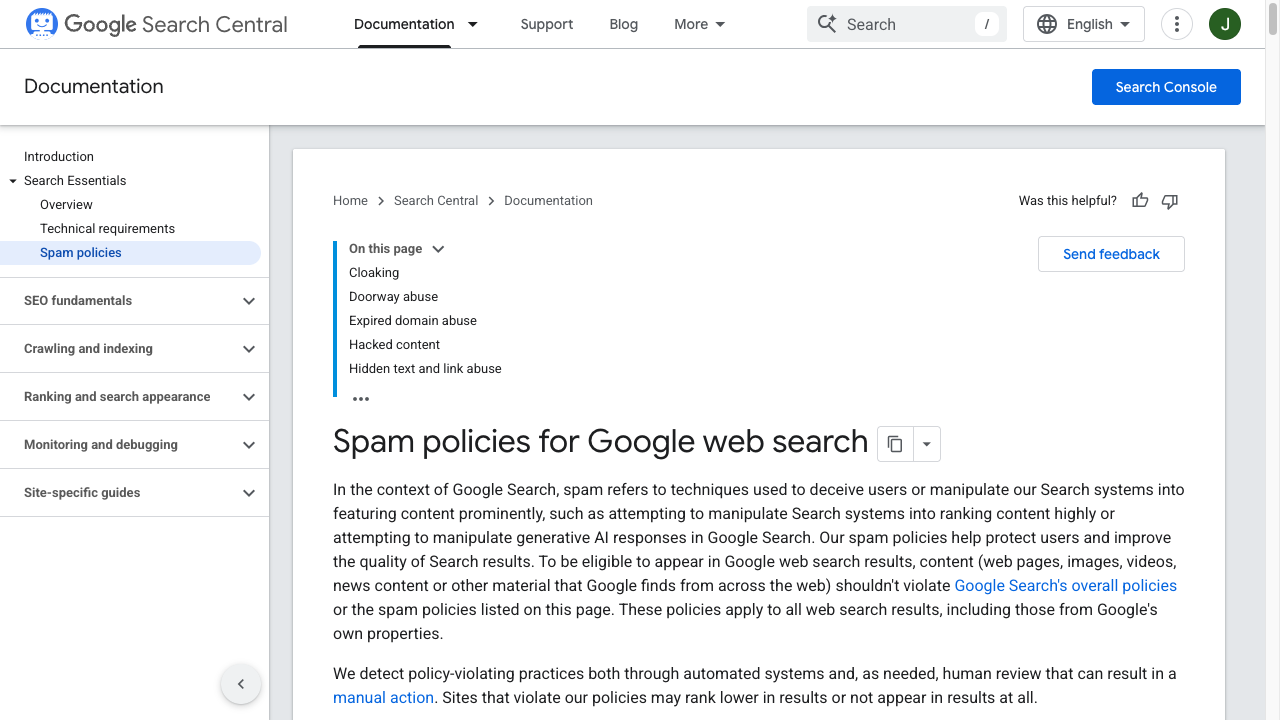
Google now treats this more aggressively under its site reputation abuse policy. The policy is aimed at third-party pages published to exploit a host site's ranking signals rather than to serve the host site's audience. Google also clarified in November 2024 that first-party involvement alone does not make this safe if the page is still trying to abuse the host site's reputation.
So the real question is not "does parasite SEO work?" It is "can this page win without looking like rented authority?"
Parasite SEO vs Guest Posting
Parasite SEO and guest posting overlap, but they are not the same thing.
| Approach | Main goal | Best use | Biggest risk |
|---|---|---|---|
| Guest posting | Earn authority, relationships, referral traffic, and sometimes a backlink | Contributing genuinely useful content to relevant sites | Treating the post like a link placement instead of editorial work |
| Parasite SEO | Rank the third-party page itself for a valuable keyword | Competing for hard SERPs before your own site can rank | Losing control over the page, rankings, analytics, and compliance |
| Sponsored parasite SEO | Buy access to a high-authority domain and monetize the ranked page | Short-term campaigns where risk is understood | Manual actions, post removal, brand damage, wasted link-building spend |
| Community parasite SEO | Use Reddit, LinkedIn, Medium, Quora, YouTube, or forums to rank community-native content | Answering real questions where the audience already gathers | Moderation, duplicate content, weak analytics, and unstable rankings |
The safest version looks like strong guest publishing: useful article, relevant host, clear editorial fit, and modest linking.
The riskiest version looks like rented SERP space: unrelated host, low-quality content, commercial links, no editorial connection, and no long-term plan.
Why Parasite SEO Works
Parasite SEO works because authority is not evenly distributed across the web.
A new page on a strong domain may have several advantages over a new page on a small site:
- The host domain is crawled more often.
- The host has more internal links and existing PageRank flowing through the site.
- The host may already be topically trusted in the niche.
- Searchers may recognize the brand in the results.
- The host may have an active audience that can create early engagement.
That does not mean every page on a strong domain deserves to rank. It means a good page on the right strong domain can start with advantages that your own domain might take years to build.
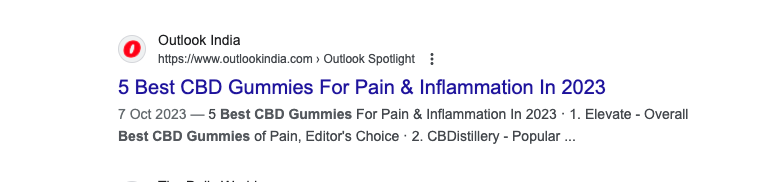
The screenshot above is the type of result that made parasite SEO popular: a commercial page ranking through a much stronger publication. But this is also exactly the kind of pattern Google has been targeting when the content is thin, unrelated, or created mainly to exploit the publisher's ranking signals.
The Three Main Types of Parasite SEO
There are cleaner and dirtier ways to do this. The tactic is not automatically black hat, but the implementation often is.
1. Editorial Parasite SEO
This is the version I would actually recommend.
You publish expert content on a relevant industry site, newsletter, community, or publication because the host's audience genuinely cares about the topic. The page may rank because the host has authority, but the article still stands on its own.
Examples:
- A technical SEO consultant publishes a detailed crawl-budget guide on a respected SEO blog.
- A SaaS founder writes a teardown for an industry publication.
- A marketer contributes a practical template to a niche community where people already ask for that workflow.
This is close to traditional guest posting, but with a stronger focus on ranking the third-party page itself.
2. Platform Parasite SEO
This uses platforms where individuals can publish directly or participate in existing discussions.
Common platforms include:
- Medium
- LinkedIn articles
- Reddit threads and comments
- Quora answers
- YouTube videos
- Niche forums
- SlideShare or similar document platforms

The competitor research for this article showed a useful pattern: Medium often indexes quickly and can rank without backlinks, while LinkedIn can be less stable because posts, articles, UTM versions, and duplicate URLs may compete with each other. Reddit can work well when an existing thread already ranks, but it is also heavily moderated and punishes obvious promotion.
3. Paid or Grey-Hat Parasite SEO
This is the version most people think of when they hear "parasite SEO."
You pay a large site, local newspaper, coupon site, magazine, or unrelated publication to host a page targeting a commercial keyword. The page then links to your site, an affiliate offer, a lead form, or a product page.
This can produce short-term rankings, but it carries the most risk:
- The post can be removed.
- The host domain can lose visibility after a spam update.
- The page may receive a manual action.
- Your brand may look spammy by association.
- You may not have Search Console access or reliable analytics.
- Any links you build to the page can become wasted spend.
If a publisher is selling hundreds of unrelated "best X" posts across finance, health, gambling, essays, crypto, and supplements, walk away.
How to Find Parasite SEO Opportunities
Do not start with a list of high-DA websites. Start with the SERP.
The best host is not the biggest domain. It is the domain already ranking for your type of query, with an audience that makes sense for your topic.
Step 1: Search Your Target Keywords
Search the keyword you want to rank for and note which third-party domains already appear.
Look for:
- Medium posts
- LinkedIn articles
- Reddit discussions
- YouTube videos
- Niche blogs
- Industry publications
- Review sites
- Community pages
- Guest-authored posts
If the SERP is full of Reddit threads, a carefully written comment on an existing ranking thread may be more useful than a fresh blog post. If the SERP is full of industry publications, pitch a strong guest article instead.
Step 2: Check Relevance Before Authority
High authority alone is not enough.
A DR 90 general news site can be a worse fit than a DR 55 niche site if the niche site has topical depth, relevant internal links, and readers who care about your subject.
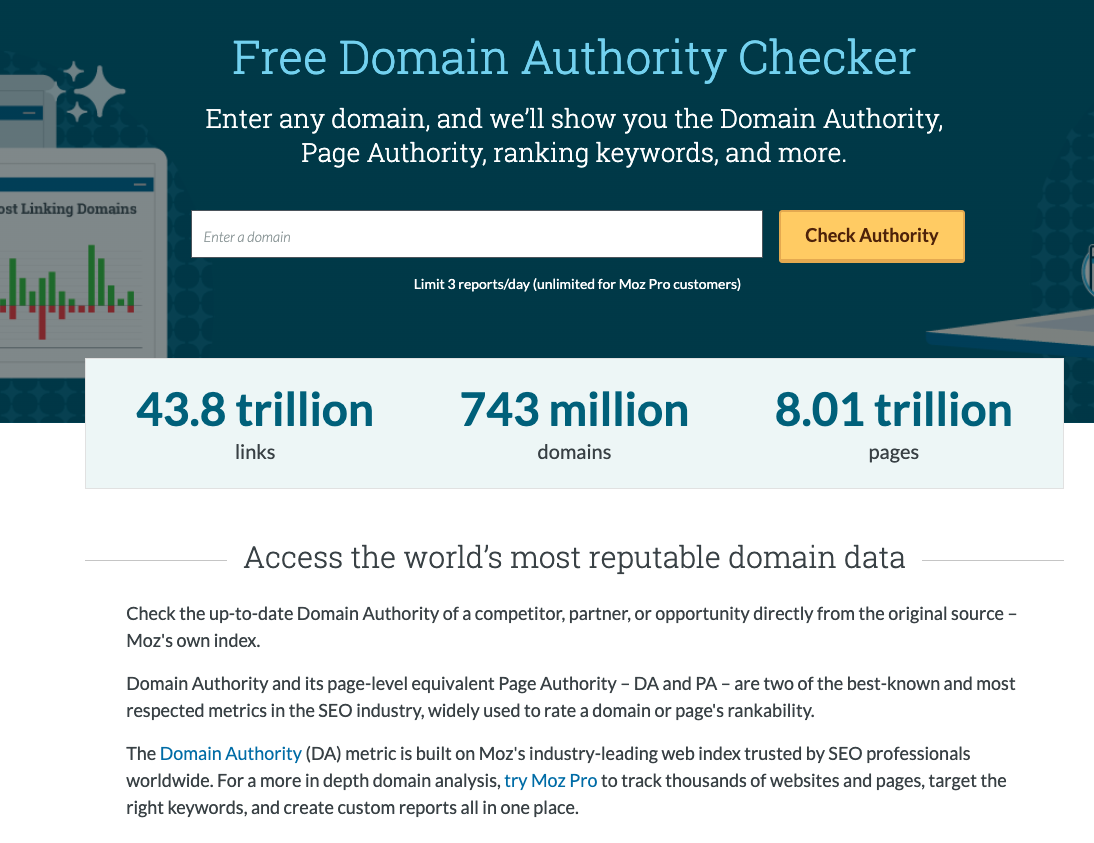
Use authority tools carefully. Moz's Domain Authority, Ahrefs DR, Semrush Authority Score, and similar metrics can help you compare domains, but they are not Google ranking factors. Treat them as directional signals, then verify the site manually.
Step 3: Check Traffic Quality
Some sites have strong-looking authority metrics but weak, fake, or collapsing organic traffic.
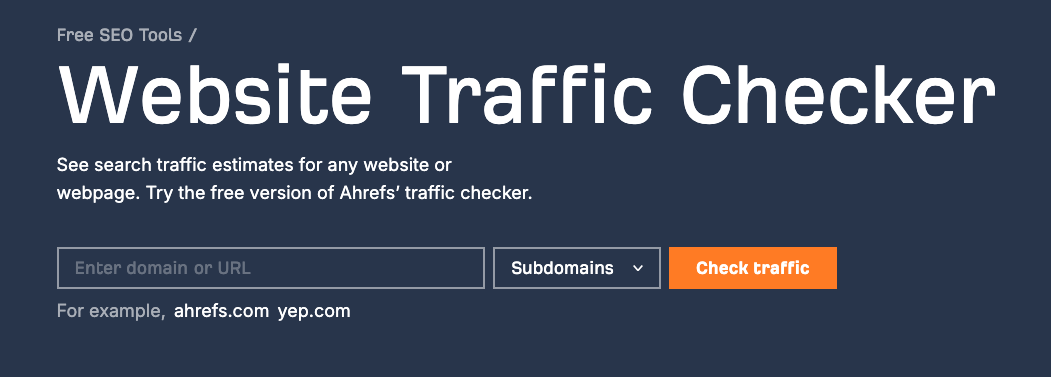
Before you pitch or pay, check:
- Does the site get traffic from keywords related to your niche?
- Are its top pages real editorial pages or spammy sponsored pages?
- Did traffic fall after a known Google update?
- Are many pages about unrelated YMYL, gambling, coupon, crypto, essay, or supplement topics?
- Does the site have clear editorial standards?
Step 4: Confirm You Can Publish Without Breaking the Platform
Every platform has its own rules.
For a publication, read guest post guidelines and sponsored-content policies. For Reddit, read the subreddit rules before posting or commenting. For Medium and LinkedIn, check whether similar content is already ranking and whether the platform tends to index that format.
If the only way to publish is to hide intent, bypass moderation, scrape content, or buy access through a broker who refuses to disclose placement quality, the risk is too high.
A Safe Parasite SEO Workflow
Here is the workflow I would use in 2026.
1. Pick Keywords Where a Third-Party Page Can Actually Win
Do not target a keyword just because it has high volume.
Look for queries where Google already ranks third-party content, community pages, listicles, tutorials, or author-led posts. That tells you the SERP is open to the format you can publish.
Good fits:
- "best [tool/category] for [specific use case]"
- "[software] alternatives"
- "[process] template"
- "[problem] checklist"
- "[niche] examples"
- "[topic] guide" where existing results include Medium, LinkedIn, Reddit, or guest posts
Poor fits:
- Queries where only official product pages rank.
- Local service keywords where Google strongly prefers business sites and maps.
- YMYL topics where your host cannot show real expertise or review.
- Queries where the host already has a stronger competing page.
2. Choose the Host by Fit, Not Just Metrics
Use a simple scoring pass:
| Factor | What to check | Why it matters |
|---|---|---|
| Topical fit | Does the host already publish this kind of content? | Relevance reduces spam risk and helps the page earn internal context. |
| SERP proof | Does the host rank for similar keywords? | You want evidence, not hope. |
| Editorial control | Can you update the page later? | Parasite pages often need refreshes after ranking changes. |
| Analytics access | Can you see traffic, clicks, or conversions? | Without measurement, you are guessing. |
| Link policy | Are links allowed, disclosed, nofollowed, or editorially reviewed? | Link expectations affect ROI and risk. |
| Brand safety | Would you be comfortable showing the placement to a customer? | If not, it is probably not worth the ranking. |
3. Write the Page Like It Belongs on the Host Site
This is where most parasite SEO campaigns fail.
The article should match the host's audience and format. A Reddit comment should sound like a helpful person in the thread, not a landing page. A Medium post should bring a clear viewpoint or case study. A niche publication article should be edited like a real contribution, not a doorway page.
Use the same SEO best practices you would use on your own site:
- Match search intent directly.
- Put the answer near the top.
- Use descriptive headings.
- Add original examples, screenshots, or data where useful.
- Link out to credible sources when claims need support.
- Keep promotional links restrained and clearly relevant.
- Make the page useful even if it never sends a backlink.
4. Build a Light Link and Distribution Plan
Some parasite pages rank without links. Others need a nudge.
Before you build links, ask whether the page is worth supporting. If it is on an unstable paid placement or a questionable host, building links to it may be wasted effort. If it is a strong guest post on a respected niche site, light promotion can make sense.
Useful options:
- Add the page to your author bio or relevant profile.
- Mention it in a newsletter.
- Share it on social channels.
- Internally link to it from related guest contributions if the host allows that.
- Reference it from your own site only when it genuinely helps the reader.
For your owned site, put most of the serious link-building effort into pages you control. A strong link building program should make your own domain harder to displace over time, not just prop up temporary third-party pages.
5. Track Rankings, Conversions, and Control Risk
The biggest operational weakness of parasite SEO is measurement.
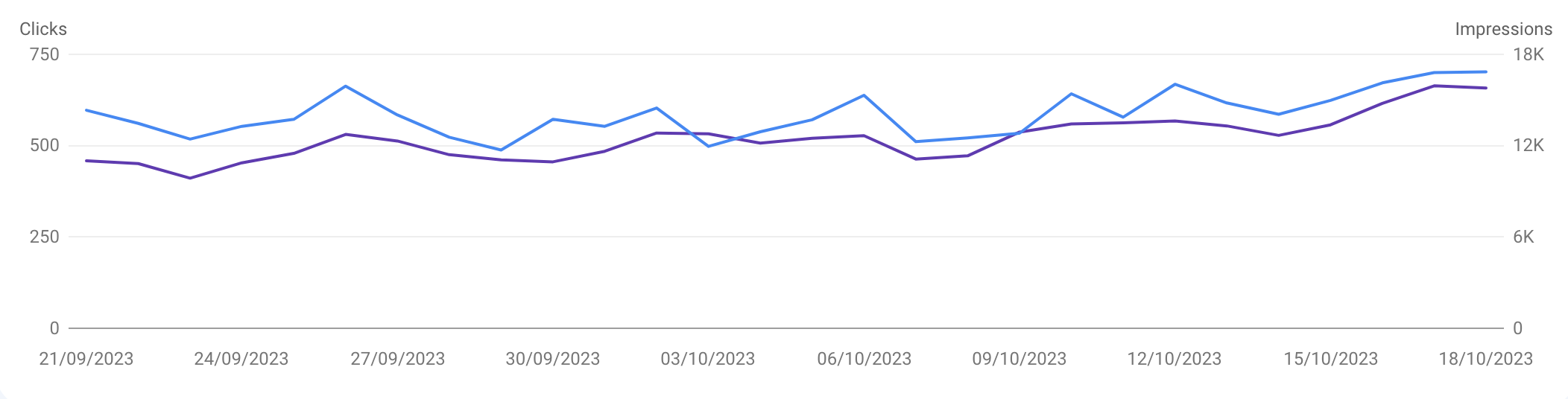
On your own site, you can use Search Console, analytics, server logs, conversion tracking, and internal links. On a third-party page, you may get almost none of that.
Track what you can:
- Keyword rankings for the parasite page.
- Referral traffic from the host page to your site.
- Conversions from UTM-tagged links where allowed.
- Indexing and cache behavior.
- Whether the page title, links, or content change.
- Whether the host loses traffic after a Google update.
If a parasite page starts driving meaningful revenue, build an owned version of the asset on your own site. Do not leave the whole funnel dependent on a page someone else can edit, deindex, or delete.
Platform Notes: Medium, LinkedIn, Reddit, and Niche Sites
The competitor research for this rewrite pointed to one important lesson: platform choice changes the whole campaign.
Medium
Medium can index quickly and sometimes ranks well without backlinks. It also gives creators basic stats, which is more than you get from many platforms.
Use it for:
- Personal experiments.
- Opinion-led guides.
- Templates and examples.
- Topics where Medium already appears in the SERP.
Watch for:
- Duplicate content if you republish from your own site.
- Weak conversion control.
- Platform-wide ranking changes you cannot control.
LinkedIn can rank, especially for professional topics, but it can be unstable. Posts, articles, profile pages, UTM versions, and duplicate URL variations may compete or shift in and out of the index.
Use it for:
- B2B thought leadership.
- Founder-led posts.
- Professional case studies.
- Topics where the author's credibility matters.
Watch for:
- Keyword cannibalization inside LinkedIn.
- Indexing quirks.
- Short-lived ranking spikes.
- Limited content formatting and conversion control.
Reddit is not a place to dump promotional posts. It works when you understand the community and answer existing demand.
Often, the better tactic is to find a Reddit thread that already ranks and leave a genuinely helpful comment. That can be more realistic than trying to create a new ranking thread from scratch.
Use it for:
- First-hand answers.
- Troubleshooting.
- Comparisons where users want real opinions.
- Brand mentions that are useful in context.
Watch for:
- Strict subreddit rules.
- Moderator removals.
- Hostile reactions to self-promotion.
- No control over the surrounding discussion.
Niche Publications
Niche sites are usually the strongest option when you can contribute real expertise. They may not have the raw authority of a giant media brand, but they often have more topical relevance and a cleaner editorial context.
Use them for:
- High-quality guest posts.
- Expert commentary.
- Data studies.
- Original frameworks.
- Useful industry templates.
Watch for:
- Editorial bottlenecks.
- Sponsored-post costs.
- Limited update rights.
- Competitors publishing similar pieces on the same site.
White Hat, Grey Hat, and Black Hat Tactics
Parasite SEO becomes riskier as the gap grows between the host site's real purpose and the page you publish.
White Hat
White-hat parasite SEO looks like legitimate publishing.
Examples:
- Writing a useful guest article for a relevant industry blog.
- Publishing a detailed case study on Medium that links to your own data.
- Answering a ranking Reddit thread with practical advice and transparent affiliation.
- Creating a YouTube tutorial that solves the searcher's problem and mentions your tool naturally.
The page serves the host audience first. Any backlink or conversion is secondary.
Grey Hat
Grey-hat parasite SEO pushes the limits.
Examples:
- Paying for a sponsored article on a broad but semi-relevant publication.
- Renting placement on a high-authority site.
- Publishing aggressive affiliate listicles on third-party domains.
- Building links to a paid placement you do not control.
This may rank, but you need to treat it as a risk-managed campaign, not a durable asset.
Black Hat
Black-hat parasite SEO crosses clear lines.
Examples:
- Hacked content insertion.
- Scraping and republishing someone else's content.
- Hidden text or cloaking.
- Keyword-stuffed doorway pages.
- Spam comments with links.
- Publishing on a site through a loophole without permission.
Do not build a brand around tactics you would be embarrassed to explain publicly.
Costs and Risks

Parasite SEO is not free just because you are not hosting the page.
The real costs are:
- Researching SERPs and host sites.
- Writing content good enough to rank.
- Pitching editors or negotiating placements.
- Paying for sponsored content where relevant.
- Updating the page after rankings shift.
- Tracking rankings without full analytics access.
- Replacing the page if the host removes it.
- Managing reputational risk if the placement looks spammy.
The biggest risks are:
- Post removal: The host can delete the page, change links, or update the content.
- Ranking loss: Third-party pages can rise quickly and fall quickly.
- Limited analytics: You often cannot see Search Console data for the page.
- Keyword cannibalization: A third-party page can outrank your own page for the same query.
- Policy exposure: Google may demote pages or sites that violate spam policies.
- Brand damage: A cheap-looking placement can make your brand look cheap.
If you already struggle with technical debt, thin content, or traffic drops after updates, fix the foundation first. Parasite SEO will not save a weak site from broader quality problems, and it can distract you from recovery work after Google algorithm updates.
How AI Tools Fit Into Parasite SEO
AI tools can help with parasite SEO, but they should not turn the campaign into scaled low-quality publishing.
Use AI for:
- SERP analysis.
- Outline planning.
- Content briefs.
- Drafting first-pass sections.
- Rewriting for platform-specific tone.
- Internal link planning.
- Multilingual adaptation.
- Quality-control checklists.
Do not use AI to mass-produce generic posts across dozens of platforms. That moves the campaign closer to scaled content abuse and makes the content less useful for readers.
For content production, a tool like Junia AI can help build briefs, optimize drafts, and prepare SEO-focused articles faster. For higher-volume workflows, pair automation with a strict review process so each page has a real purpose, accurate claims, and useful examples. Junia's AI autoblogging quality control checklist is a useful model for keeping human review in the loop.
If you are adapting content for international SERPs, parasite SEO can sometimes help you test language-specific demand before building a full owned-site program. But once the topic proves itself, move the durable strategy back to assets you control. For larger global campaigns, programmatic SEO for multiple languages is usually a stronger long-term system than scattering translated posts across third-party sites.
Content Clustering for Parasite SEO
Content clustering can work with parasite SEO, but keep the structure simple.
The goal is to avoid publishing one isolated third-party page and hoping it survives. Instead, you create a small cluster where each asset has a clear job.
Example:
- Your owned site publishes the main guide.
- A Medium post covers a first-hand experiment.
- A LinkedIn article shares a founder perspective.
- A YouTube video walks through the workflow.
- A Reddit comment answers a specific problem in a ranking thread.
- The assets reference each other only when it helps the reader.
Content clustering works best when the cluster expands the topic instead of repeating the same article everywhere. Each page should target a slightly different angle, format, or audience.
Parasite SEO Checklist
Use this before you publish.
| Question | Pass condition |
|---|---|
| Is the host relevant to the topic? | The site or community already covers similar subjects. |
| Does the SERP support this format? | Similar third-party pages already rank. |
| Does the article help the host's audience? | It would still be useful without your backlink. |
| Are links restrained? | Links are relevant, disclosed where needed, and not the whole point of the page. |
| Can you update the page? | You know whether edits are possible after publishing. |
| Can you measure anything? | Rankings, referral clicks, UTM conversions, or platform stats are trackable. |
| Is the placement brand-safe? | You would be comfortable showing it to customers or investors. |
| Is there an owned-site follow-up? | Any winning topic can become part of your own content strategy. |
Final Verdict
Parasite SEO is not magic. It is not always spam either.
At its best, it is smart distribution: you publish genuinely useful content on a relevant, trusted platform because that platform gives the page a better chance to be seen. At its worst, it is rented authority wrapped around thin commercial content.
My practical rule is simple: use parasite SEO to test, amplify, and borrow distribution, but use your own site to build the asset you want to own.
If a third-party page ranks, learn from it. Turn the insight into stronger owned content, better product pages, better internal links, better original examples, and a more defensible SEO strategy. That is how parasite SEO becomes a useful growth tactic instead of a fragile shortcut.