
Programmatic SEO: How to Generate 1,000 Long‑Tail Pages (Templates + Examples)

Thu
AI SEO Specialist, Full Stack Developer

Programmatic SEO is a system for turning structured data into hundreds or thousands of search pages without writing every URL by hand. Instead of publishing one article at a time, you build templates, connect them to reliable data, and create pages that target very specific long-tail searches at scale.
That matters because many valuable queries are too granular to cover manually. Think location combinations, feature variations, service categories, or marketplace inventory. If you try to build all of those pages one by one, the economics break quickly.
Used well, programmatic SEO helps you scale content creation without defaulting to thin pages. The goal is not volume for its own sake. The goal is repeatable coverage of search demand where users need structured, highly specific answers.
In this guide, we will break down how programmatic SEO works, where it performs best, how AI improves the workflow, and what it takes to keep large page sets useful instead of spammy.
Understanding How Programmatic SEO Works
Programmatic SEO turns structured data into repeatable search pages. You start with a dataset, build a page template around it, and publish only the combinations that deserve to exist. The important part is not automation by itself. It is using automation to cover search demand that would be inefficient to handle page by page.
The Role of Templates
| Ingredient | Good pSEO | Risky pSEO |
|---|---|---|
| Template | Unique sections + proof slots | Thin boilerplate only |
| Data | Accurate, differentiated | Scraped / duplicated |
| Indexing | Sitemap + quality filters | Publish everything |
| Schema | Matches page type | Spammy FAQ on every URL |
Templates are the operating system behind the workflow. They define the layout, the reusable copy blocks, the placeholders, and the rules that decide what appears on each page. A real estate site might use fields such as {city}, {property_type}, {price_range}, and {neighborhood} to generate pages for tightly matched searches.
Here is the simplest way to think about the template stack:
| Layer | What it does | Example |
|---|---|---|
| Data source | Stores structured fields | city, category, price, rating |
| Template | Defines page layout and placeholders | "Best {category} in {city}" |
| Logic | Decides which combinations should publish | only publish cities with enough listings |
| QA rules | Prevents weak pages from going live | minimum word count, unique intro, valid schema |
Targeting Long-Tail Keywords
This is where programmatic SEO creates leverage. Broad head terms are usually expensive and editorially demanding. Long-tail searches are narrower, less competitive, and often closer to conversion. A scalable system lets you cover patterns such as product attributes, locations, integrations, or service variants without manually writing every URL.
Enhancing SEO with Long-Form Content
Programmatic pages do not replace editorial content. In most strong SEO systems, they sit next to deeper assets that build authority and support internal linking. That is why programmatic SEO often works better when paired with long-form content that explains the category and helps users who are not ready for a highly specific landing page yet.
Improving Visibility with Structured Data
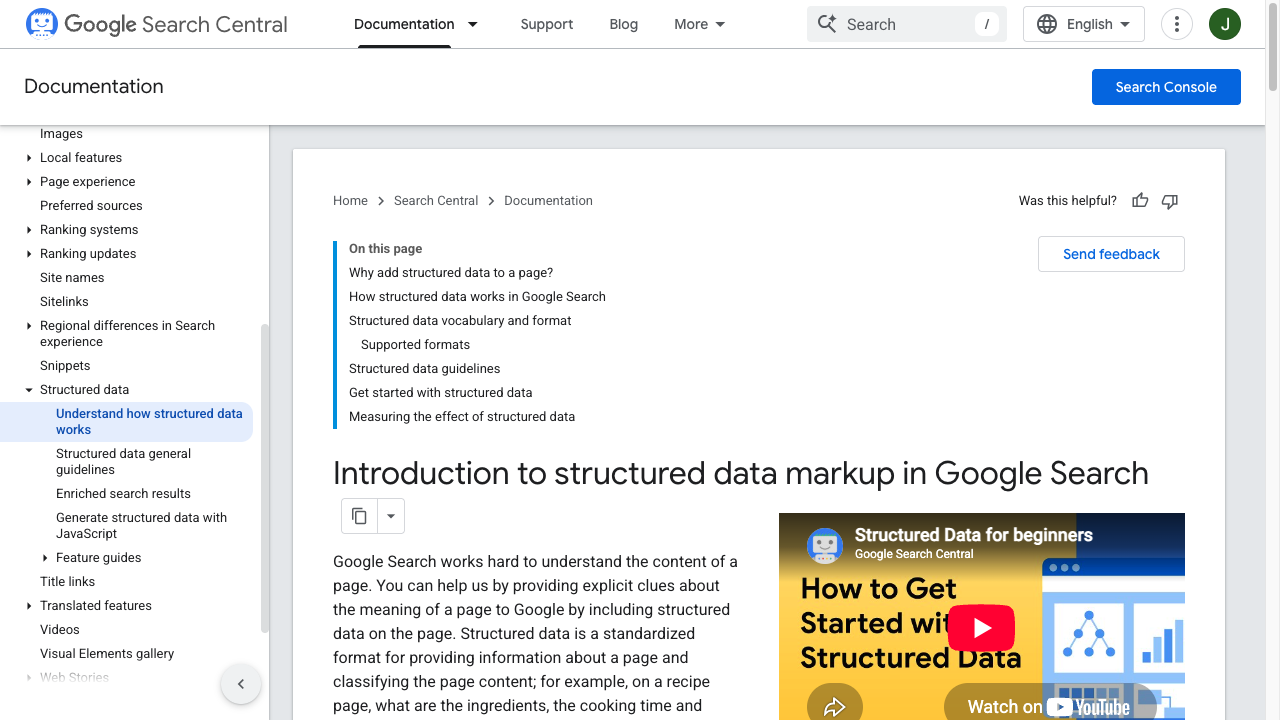
Structured data helps search engines interpret page type, product details, locations, ratings, and other attributes at scale. When your schema, headings, and metadata are aligned, generated pages are easier to crawl, understand, and qualify for richer search features.
Maintaining Quality through Automation
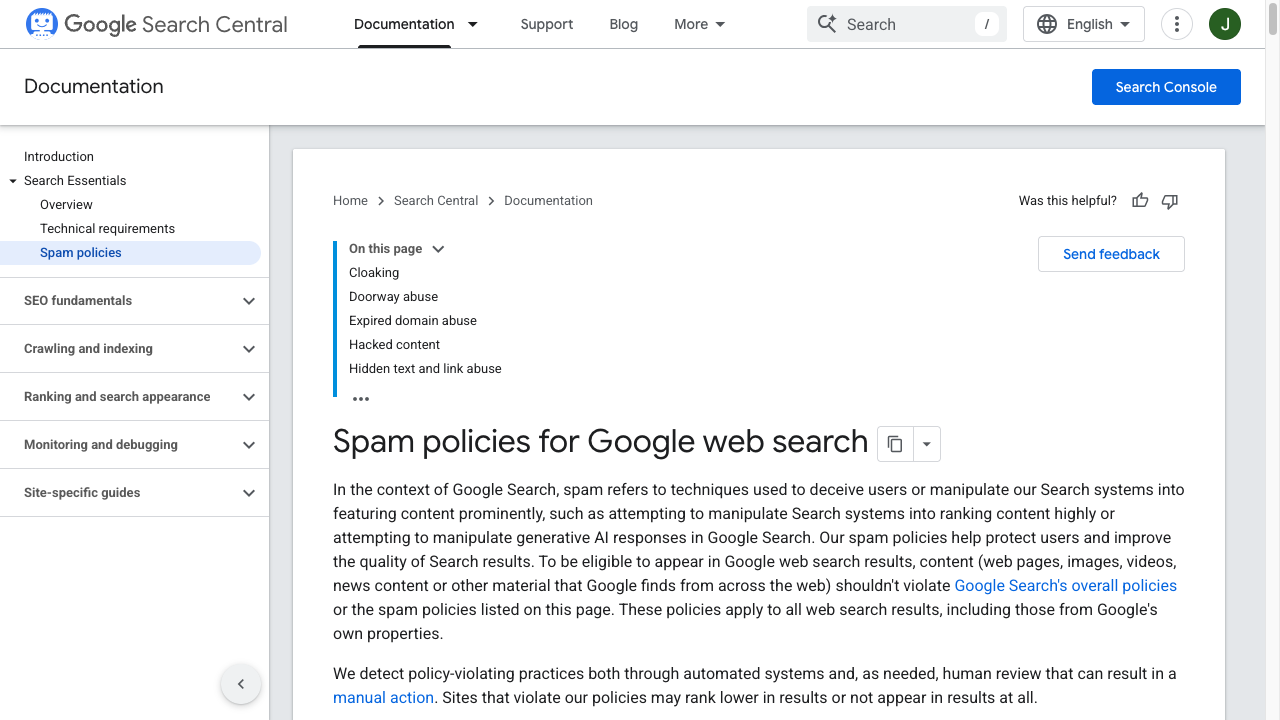
Programmatic SEO works when the template + data create a page that uniquely answers a query. Identical shells with swapped city names are doorway risk.
Automation should remove repetitive work, not editorial judgment. The safest systems gate publishing with minimum data thresholds, unique-value checks, and content QA rules so only genuinely useful pages make it live.
Advantages of Scaling Content with Programmatic SEO
When you start using programmatic SEO, you basically open the door to scale content creation way faster than you ever could with normal methods. Instead of sitting there writing hundreds or even thousands of pages by hand, you can spin up a bunch of targeted landing pages in just a few hours or maybe a couple days. This huge boost in speed doesn’t just save you time, it also helps your website show up for search traffic across whole market segments all at once, kind of like flipping a switch.
Time and Efficiency Gains
The efficiency gains here are not just about going faster. Your editorial team can basically save a ton of time and put their energy into more high-value content pieces, while automation takes care of the boring, repetitive page creation stuff. With a single well-designed template and some solid structured data, you can create thousands of variations, each one optimized for specific search queries. So yeah, you're pretty much multiplying your content output without having to multiply your workforce.
Maintaining Relevance
Relevance stays intact through this whole automated process, like it doesn’t just disappear or anything. Each generated page pulls from your database and shows info that actually answers what users are searching for, pretty directly. So for example, a job board using programmatic SEO can create unique pages for "software engineer jobs in Austin" and "software engineer jobs in Denver". Both of those pages are super relevant to the people searching in those cities, even though they’re both made from the same basic template structure.
Improving Search Engine Visibility
Search engine visibility can really jump up a lot when you start using long-tail keywords at scale. These super specific searches usually have less competition, but people searching them know more what they want, so the intent is higher. So instead of trying to rank for something huge and vague like "jobs" as a broad term, you're going after thousands of really specific combinations. All of those together end up bringing in a pretty big amount of organic traffic over time.
Reducing Editorial Workload
The editorial workload reduction starts to matter a lot more as your business grows and, you know, things get busier. You can move into new markets, add more product categories, or even talk about more service areas without having to grow your content team at the same rate. Your programmatic system kind of grows with you and adjusts to what your business needs, keeping everything pretty consistent while still making room for all that new growth.
Enhancing SEO Strategy with Google Indexing Tool
Additionally, using tools like Google Indexing Tool can really boost your SEO strategy, since it helps you bulk submit your web pages or backlinks to search engines with over an 80% success rate. So yeah, that basically means your new content gets indexed and shows up in search results a lot faster, instead of just sitting there waiting around.
Streamlining Localization with AI Tools
Also, as your footprint expands, localization becomes part of the system. Using AI tools like ChatGPT can speed up translation and adaptation, but it still helps to follow a clear process for programmatic SEO across multiple languages so each market gets pages built around local search behavior rather than literal translation.
Industries That Benefit the Most from Programmatic SEO
Programmatic SEO works really well for businesses in industries where search patterns are pretty regular and kind of follow a clear, structured format. In these types of sectors, people usually search using specific combinations of attributes, like they mix details together, which naturally creates a lot of long-tail keyword opportunities.
1. E-commerce
E-commerce SEO works really well with programmatic approaches, mostly because product catalogs already have a lot of structured data built in. So you can kind of mix and match stuff and end up generating thousands of pages by combining things like product types, brands, sizes, colors, and different specifications. For example, an online retailer might create pages like "women's running shoes size 8" or "Samsung 65-inch 4K TV under $1000," and each of those can go after a specific buyer intent with barely any manual work. Pretty efficient honestly.
2. Real Estate
Real estate SEO is honestly one of the best and most successful ways people use programmatic content. Property listings almost always have the same kind of info like location, price range, how many bedrooms, square footage and all that stuff, so it fits really well with automated page generation. You can easily set up pages for things like "3-bedroom homes in Austin under $400k" or "waterfront condos in Miami Beach," and that helps you catch super specific search queries that people actually type in.
3. Job Boards
Job boards SEO pretty much uses the same basic ideas, just in a slightly different way, by mixing things like job titles, locations, experience levels, and industries together. So, for example, pages that target stuff like "entry-level marketing jobs in Seattle" or "remote software engineer positions" speak directly to really specific career searches, but they don’t need you to create a separate page for every single job. It all kind of works together.
4. Travel
Travel SEO really works well when you mix geographic info with different categories of stuff. So like, you can set up tons of destination pages, hotel comparisons, flight routes, and activity guides pretty fast and at scale. A travel site might automatically create pages like "budget hotels in Barcelona near Sagrada Familia" or "family-friendly beaches in Thailand" without someone having to write each one by hand.
All these kinds of industries usually use databases that have clear, consistent, searchable attributes, and those match up really closely with how people actually search on Google and everywhere. Because their data is so structured, programmatic SEO ends up not just being possible, but kind of necessary if you want to capture the full spectrum of search demand in their markets.
Leveraging AI for Enhanced Programmatic SEO Automation
AI SEO automation is really changing how businesses handle large-scale content generation. With smart systems that can actually understand context, user intent, and all those semantic relationships, we can create content not just faster, but better too. It helps make every page we create more relevant and higher quality, which is kind of the whole point.
How AI Tools Improve Content Production
Modern AI content production tools look through huge amounts of data and kind of pick out patterns in what people do online and what they search for. These systems, especially the top-tier AI article writers, can make content that adjusts to really specific user needs, while still sounding pretty natural and like normal language. So yeah, you'll notice that AI-powered programmatic SEO creates pages that feel way less like a basic template and more like they’re made for each person’s search intent, almost like they were written just for that moment.
The Importance of Deep Personalization
The real power is honestly in deep personalization. Instead of just looking at one thing at a time, AI algorithms check a bunch of data points all at once, kind of like juggling:
- User location and local search trends
- Seasonal variations in search behavior
- Related queries and semantic connections
- Historical engagement patterns
- Industry-specific terminology and preferences
With this kind of contextual understanding, you can actually scale content creation without losing that more nuanced, sorta personal touch that users expect. AI can pick up on really small differences between similar queries and then tweak the content to match. So like, if someone searches for "affordable Italian restaurants in Brooklyn" versus "upscale Italian dining Brooklyn," the AI notices that the intent is different and creates content that’s positioned the right way for each one.
Technical Optimization Made Easy
AI SEO automation also takes care of technical optimization on a big scale, without you having to babysit it all the time. It can automatically create schema markup, tweak and optimize meta descriptions so they get better click-through rates, and make sure all the heading structures are set up correctly across, like, thousands of pages. So yeah, you're basically using a tireless content strategist that keeps learning from performance data and then keeps adjusting and improving what it puts out, based on what actually helps with rankings and conversions in the real world.
Ensuring Quality and User Intent Alignment in Programmatic SEO
The biggest challenge in programmatic SEO isn’t actually making thousands of pages. Anyone can do that now. The real problem is making sure those pages are actually useful and give real value to people. Avoiding spammy content means you need a solid plan that focuses more on quality than just pumping out a huge volume of pages.
You need to set up strict quality controls at every step in your programmatic workflow. Like, from the very beginning. Start by setting minimum content thresholds so thin or half-empty pages never even go live. Every single generated page should have its own unique, meaningful info that actually solves a specific user need. If your data source can’t fill a page with enough real content, then honestly, that page just shouldn’t exist at all.
User intent optimization means really understanding what people are trying to do when they type certain searches. Not just guessing. If someone searches for "plumbers in Austin" the page they land on needs to show actual local plumber listings, not just random general plumbing tips. Your templates should connect clearly to different search intent types, like:
- Informational queries need educational content that gives clear, direct answers
- Transactional queries need product details, pricing, and simple paths to buy or convert
- Navigational queries should give quick, direct access to specific locations or services
Duplicate content is a pretty serious problem in programmatic SEO. You can’t just copy the same page and only change city names and then call that unique content. That doesn’t really work anymore. Each page needs its own distinctive elements from your data, like customer reviews, local stats, neighborhood-specific details, or different service options. The template is just the basic structure. The data is what actually makes each page different.
Regular audits are super important for finding pages that aren’t doing well or don’t meet your quality standards. You should keep an eye on metrics like time on page, bounce rate, and conversion rates to find content that’s not really working. Pages that keep failing to engage users need to be improved or just removed, even if they were generated really efficiently. In the end, if users don’t find them helpful, they’re not worth keeping.
Case Studies: Successful Implementation of Programmatic SEO
Here are some real-world examples that show how programmatic SEO can totally change content strategies on a big scale. These case studies basically highlight how powerful it can be when you mix automation with smart, strategic data use. It’s kind of the proof that this stuff actually works in real situations.
Zillow's Real Estate Listing Strategy
Zillow creates millions of property-specific pages using these programmatic templates that pull info from their huge real estate database. Basically, each page is made to show up for location-based searches like "homes for sale in [neighborhood], [city]" or "[property type] in [zip code]." The platform just automatically fills in the templates with things like:
- Property specifications (bedrooms, bathrooms, square footage)
- Neighborhood statistics and school ratings
- Historical price data and market trends
- Interactive maps and comparable listings
- Local amenities and transportation options
Because of this setup, Zillow can pretty much dominate search results for almost every real estate query you can think of, across thousands of locations, without someone having to manually build each page. The whole system keeps updating on its own as new properties hit the market or when existing listings change status, so stuff stays fresh most of the time.
DoorDash's Restaurant Landing Page Generation
DoorDash uses programmatic SEO to spin up a bunch of really specific pages for restaurant searches in certain areas. Basically, their system automatically makes pages for searches like "[cuisine type] delivery in [neighborhood]" or "[restaurant name] delivery near me." So whenever someone types something like that, there’s already a page for it. Each of these dynamically created pages usually includes things like:
- Restaurant menus with current pricing
- Customer reviews and ratings
- Delivery time estimates for specific locations
- Popular dishes and featured items
- Operating hours and delivery radius information
The platform mixes restaurant data with location intelligence so it can show really hyper-relevant content to people. This whole strategy helps DoorDash show up high in local search results, while also giving users exactly the kind of info they need to decide what to order and, honestly, where to order from.
Global Scaling Through Multilingual and Localized Programmatic Content Strategies
Programmatic SEO becomes even more powerful when the same repeatable search pattern exists across multiple languages or markets. But global scaling only works when you localize the system, not just the words. That means adapting templates, data fields, and keyword targets to the way each market actually searches.
How It Works: Technical Implementation
Here is a practical implementation sequence:
- Create language- or market-specific URL patterns such as
/es/,/de/, or/ja/. - Connect each template field to structured data so every page variant pulls real information.
- Localize currency, units, regulations, and terminology before publishing.
- Add hreflang, schema, and internal links so each variant is discoverable and clearly mapped.
If a user in Berlin searches for a localized restaurant or software category query, the page should not feel machine-translated. It should reflect the exact vocabulary, market context, and UX signals that make sense in German.
Going Beyond Translation: Localized Content Strategies
Good multilingual programmatic SEO changes more than language. It also adjusts:
- Regional keyword patterns and search modifiers
- Local business information and service availability
- Market-specific pricing, offers, and regulatory details
- Cultural context, imagery, and examples
- Reviews, trust signals, and proof relevant to that region
That is why a travel page for a Paris neighborhood, a SaaS integration page in Spanish, and a local services page in German should all share the same system but not the same copy logic.
Managing Complexity with Programmatic Frameworks
Once you manage thousands of multilingual URLs, process matters as much as content. Build QA rules for uniqueness, track regional performance separately, and keep a clear workflow for expanding into new languages. If multilingual rollout is part of your roadmap, it helps to combine templates with a playbook for programmatic SEO across multiple languages and a review of whether bulk content generation is helping or hurting your site.
Combining Traditional SEO with Programmatic Strategies for a Comprehensive Approach
Traditional SEO and programmatic SEO solve different problems. Traditional SEO is where you invest in high-value guides, brand pages, category explainers, and other assets that need stronger editorial judgment. Programmatic SEO handles the repeatable query patterns that would be inefficient to cover manually.
That is why the best teams combine the two instead of forcing one model onto everything. Think of traditional SEO as your authority layer and programmatic SEO as your coverage layer.
The benefits of a hybrid approach include:
- Broader coverage without asking the editorial team to write every variation
- Better resource allocation because writers focus on high-leverage pages
- Stronger internal linking between authority content and long-tail landing pages
- Clearer quality control because templates inherit standards from editorial strategy
For example, you might publish one strong guide on a category, then support it with programmatic pages for locations, integrations, pricing ranges, or product attributes. If you are building toward that model, long-tail vs short-tail keyword strategy is the right lens for deciding what belongs in each system.
The Future of Scaling Content with Programmatic SEO and AI Automation
The future of programmatic SEO is tied closely to how quickly AI is improving content automation. Models keep getting better at understanding semantics, query intent, and context, which makes it easier to generate pages that feel less templated and more genuinely useful.
AI-Powered Systems in 2025
Modern AI systems are already making a few things easier:
- Generate more tailored content variations for different query patterns
- Improve existing programmatic pages with testing and refresh workflows
- Surface emerging search opportunities earlier
- Support smarter clustering and internal linking decisions
The Impact of Natural Language Processing
Natural language processing is improving fast enough that large-scale content no longer has to read like a database dump. The real advantage will go to teams that combine automation with editorial review, trustworthy data, and clear quality thresholds.
The Importance of Multilingual SEO Strategies
As companies expand internationally, multilingual SEO becomes part of the growth model. Using AI for efficient multilingual SEO and AI translation tools can help, but success still depends on localized keyword research, regional intent mapping, and careful QA.
Taking Action Now
You do not need to start with 10,000 pages. A better first step is to find one repeatable search pattern, connect it to clean data, and launch a tightly controlled page set with clear QA rules.
If those pages perform, expand deliberately. If they do not, the failure is usually useful: it shows whether the issue is weak data, poor page UX, thin templates, or mismatched intent. That feedback loop is what turns programmatic SEO from a publishing trick into a real growth channel.