
How to Rank Affiliate Sites Globally With Programmatic SEO

Thu
AI SEO Specialist, Full Stack Developer

Programmatic SEO can work extremely well for affiliate sites, but only when the pages are built from real data and solve a specific buying problem.
That last part matters.
If you publish thousands of pages that only rearrange merchant descriptions, keyword phrases, and AI-written paragraphs, you are not building an affiliate asset. You are building a thin affiliate footprint. Google's spam policies specifically call out scaled content abuse and thin affiliation, so the goal is not simply "generate more pages." The goal is to generate useful pages that deserve to exist.
The best version of programmatic affiliate SEO looks like this:
- You pick one niche where repeatable search patterns exist.
- You collect structured product, category, location, language, pricing, feature, and merchant data.
- You build templates that answer real comparison and buying-intent queries.
- You localize the pages for different countries and languages where the affiliate offer actually works.
- You add enough human judgment, testing notes, disclosure, and quality control that each page feels useful on its own.
That is how you rank globally without turning the site into a disposable page factory.
The Short Version
Here is the practical blueprint:
| Step | What to do | Why it matters |
|---|---|---|
| Choose a narrow affiliate niche | Start with a category like travel cards, VPNs for specific countries, hosting for creators, or home office products | Broad affiliate sites are harder to make credible and harder to localize well |
| Map repeatable queries | Find patterns like "best X for Y," "X vs Y," "best X in country," and "X alternatives" | Programmatic SEO works when the query set follows a clean pattern |
| Build a strong dataset | Use product specs, prices, countries served, payment methods, languages, pros, cons, ratings, and update dates | The dataset is what makes each generated page meaningfully different |
| Create page templates | Build templates for comparisons, best lists, alternatives, product pages, and country pages | Templates keep quality consistent as you scale |
| Add human review | Review top pages manually, add original notes, and improve anything that looks generic | Affiliate pages need added value beyond copied product descriptions |
| Localize carefully | Adapt keywords, currency, compliance notes, examples, and affiliate availability by market | Translation alone is not enough for global rankings |
| Publish in controlled batches | Index, measure, improve, then expand | Dumping thousands of weak pages at once makes quality problems harder to fix |
If you are starting from scratch, do not build 10,000 pages first. Build 50 excellent pages, prove the template, then scale.
Why Affiliate Sites Are a Good Fit for Programmatic SEO
Affiliate SEO naturally creates repeatable search patterns.
People do not only search for "best VPN" or "best credit card." They search for:
- best VPN for Netflix in Germany
- best hosting for food bloggers
- ConvertKit vs Mailchimp for creators
- best travel credit card for students
- best standing desk under $500
- best AI writing tool for affiliate marketers
Those queries are specific, commercial, and often too numerous to cover manually one article at a time.
That is where programmatic SEO helps. Instead of writing every page from zero, you create a reusable content system: one page type, one structured dataset, and many targeted pages generated from the same rules.
But affiliate SEO adds a harder requirement. A page cannot just say "Product A is great" with an affiliate button. It needs to help the reader choose.
Good affiliate programmatic pages usually include:
- clear product fit
- comparison tables
- country or language availability
- updated pricing context
- product limitations
- merchant eligibility
- alternatives when the first choice is not right
- transparent affiliate disclosure
- original commentary or review criteria
That is the difference between scalable affiliate SEO and thin affiliate spam.
Start With a Niche You Can Actually Defend
The biggest mistake is choosing a niche only because it has high commissions.
High commission niches are usually brutal. Credit cards, insurance, web hosting, online casinos, VPNs, and investing products already have old domains, strong brands, expert reviewers, and serious link profiles competing for the same queries.
That does not mean you cannot enter them. It means you need a narrower angle.
For example:
| Too broad | Better programmatic angle |
|---|---|
| Best VPNs | Best VPNs for streaming specific platforms by country |
| Best hosting | Best hosting for specific CMS, audience, or business type |
| Best credit cards | Best travel cards for specific routes, countries, or traveler profiles |
| Best mattresses | Best mattresses for specific sleep positions, body types, and budgets |
| Best AI tools | Best AI tools for specific workflows and professions |
Niche focus gives you three advantages.
First, your dataset becomes more useful because you know which fields matter. A travel credit card site might track annual fee, foreign transaction fee, lounge access, insurance coverage, supported countries, and airline transfer partners. A home office site might track dimensions, warranty, weight limit, ergonomics, return policy, and setup difficulty.
Second, your templates become sharper. You are not writing one generic "best product" layout for every category. You are building pages around the actual decision criteria in that niche.
Third, your internal links become easier to structure. A tight niche lets you connect country pages, product pages, comparison pages, and guides in a way that feels natural. Junia's guide to programmatic SEO for multiple languages is a good companion if your niche has global demand.
Build the Dataset Before You Build the Pages
Programmatic SEO fails when the template is stronger than the data.
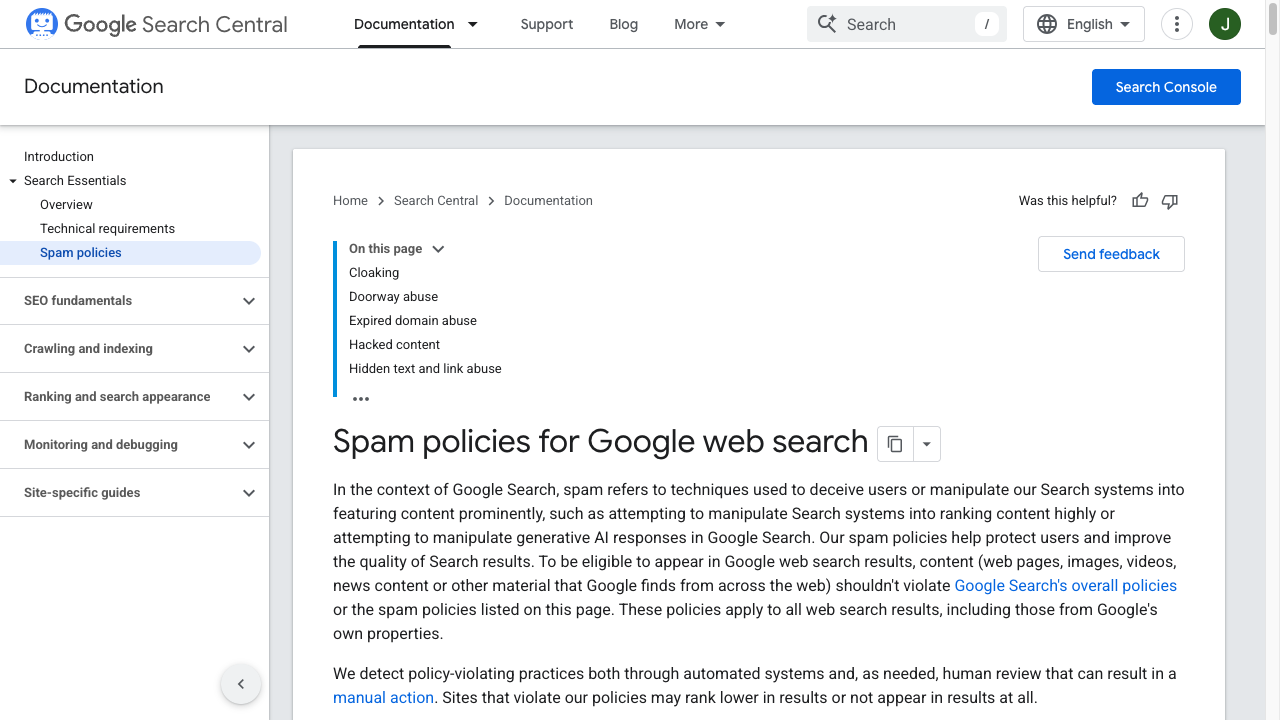
| Page type | Earns rankings when… | Dies when… |
|---|---|---|
| Comparisons | Real criteria + unique picks | Thin affiliate spam grids |
| Alternatives | Honest tradeoffs | Synonym doorways |
| Best-for | Genuine segmentation | Fake personas |
Programmatic affiliate SEO is a data quality problem. Bad rows become thin pages at scale.
Does Google see automatically generated content as a bad thing?
If your spreadsheet only has product name, affiliate URL, short description, and price, your pages will be shallow. You need enough structured information to make each page useful.
For affiliate sites, I would start with fields like these:
| Dataset field | Example | Why it helps |
|---|---|---|
| Product name | NordVPN, ConvertKit, Herman Miller Aeron | Basic page and comparison entity |
| Category | VPN, email marketing, office chair | Supports taxonomy and internal links |
| Best-fit audience | streamers, creators, developers, students | Helps match pages to intent |
| Country availability | US, UK, Canada, Germany | Prevents recommending unavailable products |
| Language support | English, Spanish, German | Useful for global pages |
| Pricing | monthly price, annual price, free trial | Helps commercial comparison |
| Commission type | CPA, recurring, revenue share | Useful internally for prioritization |
| Product limits | device limit, seat limit, warranty length | Adds real decision detail |
| Trust proof | testing notes, review date, source URL, user rating | Makes the content easier to verify |
| Disclosure status | affiliate, sponsored, editorial only | Keeps compliance organized |
| Last checked | 2026-05-25 | Shows freshness and supports updates |
You can manage this in Google Sheets, Airtable, a CMS database, or a custom workflow. The tool matters less than the discipline.
If you are using AI to help with page production, keep the structured data separate from the generated copy. Junia's bulk content creation workflow is strongest when the source data is clean and the template rules are clear.
Choose Page Types That Match Search Intent
Not every page type deserves to be generated.
The safest programmatic affiliate pages are the ones where structured data genuinely improves the answer. Usually, that means comparisons, filtered best lists, alternatives, and localized pages.
1. Best-For Pages
These target searches like "best email marketing software for coaches" or "best VPN for Japan."
A good template should include:
- a short winner summary
- who each product is best for
- a comparison table
- selection criteria
- product limitations
- alternatives
- affiliate disclosure
- last updated date
The page should not recommend the same product every time. If every generated page has the same winner, your dataset or rules are probably too weak.
2. Product Comparison Pages
These target searches like "Product A vs Product B."
Comparison pages work because users are already close to a decision. They need differences, tradeoffs, and a clear recommendation.
Useful fields include price, feature gaps, contract terms, country availability, customer support, refund policy, integrations, and use-case fit.
3. Alternatives Pages
These target searches like "Product A alternatives" or "cheaper alternative to Product A."
Alternatives pages are especially useful when the product has a clear weakness: price, country restrictions, missing feature, poor support, or limited integrations.
4. Country or Language Pages
These target searches like "best hosting in Canada" or "best AI writing tool in Spanish."
Do not translate the same page and call it done. Global affiliate SEO needs localized keyword research, local currency, market availability, shipping or service restrictions, and culturally natural examples. Junia's guide on ranking blog posts in foreign countries covers more of that local search layer.
5. Supporting Editorial Guides
These should usually be hand-written or heavily edited.
Examples:
- how to choose a VPN for streaming
- how affiliate marketers use multilingual SEO
- how to compare email marketing tools
- how to evaluate hosting performance
These guides build topical authority and support your programmatic pages with context. They are also good places to add internal links to your generated pages. For affiliate-specific expansion, see Junia's guide to how affiliate marketers use multilingual SEO.
Build Templates That Do More Than Swap Keywords
A weak template looks like this:
Best {product_category} in {country}. We reviewed the top {product_category} options in {country}. Here are our recommendations.
That is not enough.
A strong affiliate template changes based on the data. It should show different copy, tables, warnings, and recommendations depending on the actual product or market.
For example:
- If a product is not available in Germany, remove it from German pages.
- If a tool has no free trial, do not promote it as beginner-friendly unless the rest of the data supports that.
- If a product has high pricing but strong enterprise features, frame it for teams, not budget shoppers.
- If a product has a recurring commission but weak user reviews, do not let commission override the recommendation logic.
This is where rules matter.
You can use a simple scoring model:
| Factor | Weight |
|---|---|
| Search intent fit | 30% |
| Product quality or review score | 25% |
| Country availability | 15% |
| Pricing competitiveness | 10% |
| Feature match | 10% |
| User trust signals | 10% |
The exact weights will vary by niche, but the principle is the same: the template should have editorial logic, not just placeholders.
Add the Trust Signals Affiliate Pages Need
Affiliate sites are judged hard because the incentive is obvious. Readers know you may earn money from the recommendation.
So you need to make the page feel earned.
Add trust signals such as:
- a clear affiliate disclosure near the first commercial recommendation
- a "how we chose" section
- original testing notes where possible
- clear pros and cons
- visible update dates
- source links for policies, pricing, or technical claims
- product screenshots or hands-on observations when useful
- author or reviewer context for sensitive topics
The disclosure part is not just nice to have. The FTC's endorsement guidance says material connections should be clearly disclosed, and affiliate relationships are exactly the kind of connection readers should understand before acting.
For SEO, the same logic applies. Google says good affiliate pages add value through things like original reviews, ratings, product comparisons, and navigation that helps users choose. So the safest approach is to build pages that would still be useful even if the affiliate links were removed.
Localize Global Pages Instead of Bulk Translating Everything
Global affiliate SEO is not only a language problem.
It is a market-fit problem.
Before you create thousands of international pages, answer these questions:
- Is the affiliate program available in that country?
- Does the merchant ship there or support local accounts?
- Are prices shown in the right currency?
- Are there local competitors that should be included?
- Do users search with the same product names and category terms?
- Does the page need local tax, legal, or disclosure wording?
- Are payment methods, warranties, and refund policies different?
This is why bulk translating affiliate content needs a QA layer. Translation can help you scale, but localization decides whether the page is actually useful.
For multilingual sites, also make sure your technical setup is clean:
- use a stable URL structure such as
/en/,/de/, or country folders where appropriate - add hreflang annotations for alternate language or regional versions
- avoid mixing languages on the same page
- keep internal links within the same language when possible
- localize titles and meta descriptions instead of translating them literally
If hreflang is new to you, start with this guide to hreflang for multilingual websites.
Use Internal Links to Help Google Understand the System
Programmatic SEO creates a lot of pages, so internal linking cannot be an afterthought.
You need a structure that helps users and crawlers move from broad pages to specific pages.
A simple affiliate architecture might look like this:
- Main niche hub: Best tools for creators
- Category hub: Best email marketing tools
- Best-for pages: Best email marketing tools for coaches, podcasters, course creators
- Comparison pages: ConvertKit vs Mailchimp, MailerLite vs Beehiiv
- Product review pages: ConvertKit review, Mailchimp review
- Editorial guides: How to choose email marketing software
Each layer should link to the next logical layer. Avoid blasting every generated page with hundreds of exact-match links. That creates crawl noise and a worse reader experience.
Useful internal links usually answer one of these questions:
- What should the reader compare next?
- What broader guide explains this decision?
- What specific product page supports this recommendation?
- What localized version is more relevant for this reader?
For larger sites, an AI internal linking workflow can help find opportunities, but you still need rules. Do not let automation add links that interrupt the buying journey.
Publish in Batches and Measure Quality
One competitor pattern worth taking seriously is controlled publishing.
The best programmatic workflows do not just generate pages. They generate, index, measure, refresh, and prune.
Start with a pilot batch:
- Build 30 to 100 pages from one template.
- Manually review the highest-value pages.
- Check whether the pages answer different intents or feel repetitive.
- Submit the sitemap or let normal crawling discover them.
- Watch impressions, indexation, rankings, clicks, conversions, and affiliate EPC.
- Improve the template and dataset before expanding.
Then scale in waves.
This keeps quality problems small. If the first 100 pages do not earn impressions or conversions, 10,000 pages will not magically fix the issue. They will only multiply the weakness.
What to Automate and What to Keep Human
You can automate a lot, but not everything.
| Task | Automate? | Notes |
|---|---|---|
| Keyword pattern discovery | Partly | Use tools and AI, then manually validate intent |
| Dataset cleanup | Partly | Automate normalization, but review important fields |
| Page generation | Yes | This is the core programmatic workflow |
| Metadata generation | Yes, with review | Templates work well if they avoid duplication |
| Internal link suggestions | Yes, with rules | Keep links contextually useful |
| Product recommendations | Partly | Use scoring models, then review commercial pages |
| Affiliate disclosure | Yes | Add consistently across commercial pages |
| Final QA | No | Human review catches repetition, weak claims, and bad recommendations |
This is also where AI can help without taking over the strategy. Use AI to draft page variants, summarize product differences, cluster keywords, and identify missing fields. Then add human judgment where trust and recommendations matter.
If your team uses AI heavily, Junia's guide on how to add a human touch to AI-generated content is worth building into the editorial workflow.
Common Mistakes That Stop Affiliate Programmatic SEO From Ranking
Creating Pages Before You Have Real Data
If the page is mostly generated prose, it will feel empty. Build the dataset first.
Targeting Every Country Too Soon
Global SEO sounds exciting, but every country adds QA work. Start with the countries where the products are available, commissions are worthwhile, and search demand is clear.
Reusing Merchant Descriptions
Copied product copy is one of the fastest ways to create thin affiliate pages. Summarize products in your own framework and add comparison value.
Letting Commission Decide Rankings
It is fine to prioritize profitable offers internally. It is not fine to recommend the wrong product because it pays more. That destroys trust and often produces worse long-term revenue.
Publishing Without Update Rules
Affiliate data changes constantly. Prices, trials, shipping, availability, and features shift. If you cannot update pages in bulk, your programmatic system will decay.
Adding Too Many Links
Internal links should help the reader move forward. External links should support claims or help readers verify something important. Link stuffing makes pages look less trustworthy.
A Practical Programmatic SEO Workflow for Affiliate Sites
Here is the workflow I would use if I were building this from scratch.
Step 1: Pick One Commercial Pattern
Choose one repeatable pattern, not five.
For example:
- best {product type} for {audience}
- best {product type} in {country}
- {product A} vs {product B}
- {product} alternatives
Use AI keyword research to expand the pattern, but manually check the SERP before building the template. If the top results are forums, product pages, and thin lists, you may have an opening. If the top results are strong editorial brands with original testing, you need a stronger moat.
Step 2: Define the Minimum Useful Dataset
List the fields required for a reader to make a decision.
For a software affiliate site, that might include price, free trial, integrations, target user, support channels, country restrictions, migration help, and cancellation terms.
For physical products, it might include dimensions, weight, warranty, materials, shipping region, return policy, durability notes, and testing score.
Step 3: Build One Excellent Template
Do not start with ten templates.
Build one page type and make it strong:
- clear intro
- direct answer
- comparison table
- recommendation logic
- product sections
- alternatives
- buying criteria
- disclosure
- update date
- internal links
Then generate a small batch.
Step 4: Review the First Batch Manually
Read the pages like a buyer.
Ask:
- Would I trust this page?
- Does it recommend different products for different needs?
- Is there any copied merchant wording?
- Are the claims supported?
- Are affiliate links disclosed?
- Does the page add anything beyond a product feed?
If the answer is weak, fix the dataset or the template before scaling.
Step 5: Expand by Market or Page Type
Once one template works, expand carefully.
You can move into:
- more audience segments
- more countries
- more comparison pages
- more alternative pages
- more supporting guides
This is where AI for affiliate marketers can fit into the workflow: keyword research, bulk content production, internal links, and quality checks all need to work together.
Final QA Checklist Before Publishing Programmatic Affiliate Pages
Before you publish a batch, run this checklist:
- Is the page targeting a real query with clear intent?
- Is the recommendation based on data, not just commission?
- Does the page include a visible affiliate disclosure?
- Does the page contain unique information for this query?
- Are prices, countries, trials, and availability current?
- Are internal links relevant and not repetitive?
- Are external sources used only where they support important claims?
- Does the page avoid copied merchant descriptions?
- Is the page indexable, canonicalized correctly, and included in the sitemap?
- Does the localized version use the right language, currency, and market context?
- Is there a process to update the page when product data changes?
If you cannot answer yes to most of these, the page is not ready to scale.
Conclusion
Programmatic SEO can help affiliate sites rank globally, but only when the system is built around usefulness.
The winners are not the sites with the most generated pages. They are the sites with better datasets, sharper templates, cleaner localization, stronger internal links, transparent disclosures, and enough human review to keep the recommendations honest.
Start small. Build one page type that is genuinely helpful. Prove it with search data and affiliate revenue. Then scale the pattern into more countries, languages, products, and comparisons.
That is the version of programmatic SEO that can compound instead of collapse.